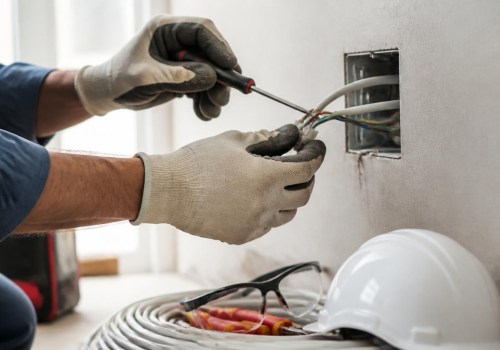
In the realm of electrical supplies, the concept of grounding is often overlooked, yet it plays a crucial role in ensuring safety and functionality. Grounding refers to the process of connecting electrical systems to the earth, providing a path for excess electricity to dissipate safely. This is particularly important in preventing electrical shocks and protecting both people and equipment from potential hazards. Without a proper grounding wire, electrical systems can become unstable, leading to dangerous situations that could result in injury or damage. The importance of grounding cannot be overstated.
It serves as a protective measure against electrical surges, which can occur due to lightning strikes or power fluctuations. By directing excess voltage away from sensitive components, grounding helps maintain the integrity of electrical supplies and ensures that devices operate smoothly. Furthermore, grounding enhances the overall safety of electrical installations, making it a fundamental aspect of any electrical system. In addition to safeguarding against surges, grounding wires also play a vital role in ensuring that circuit breakers and fuses function correctly. When a fault occurs, such as a short circuit, the grounding system provides a low-resistance path for the fault current, allowing protective devices to trip and disconnect power quickly.
This rapid response is essential for minimizing risks and maintaining electrical safety. As we delve deeper into the specifics of grounding wires and their applications in various electrical supplies, it becomes clear that understanding this concept is key to fostering safe and reliable electrical environments.
What is a Grounding Wire?
A grounding wire is a crucial component in electrical systems, designed to enhance safety and protect both people and equipment. Its primary function is to provide a path for electrical current to safely dissipate into the ground in the event of a fault or surge. This helps prevent dangerous electrical shocks and reduces the risk of fire caused by electrical malfunctions.In essence, a grounding wire connects the electrical system to the earth, ensuring that any excess electricity has a safe route to follow.This is particularly important in residential and commercial buildings where various electrical appliances and systems operate simultaneously.
- Definition: A grounding wire is typically made of copper or aluminum and is connected to the ground rod or plate buried in the earth.
- Function: It serves as a safety mechanism by redirecting stray currents away from users and sensitive equipment.
- Electrical Grounding: This process involves establishing a direct connection between the electrical system and the ground, which is essential for maintaining system stability.
How Grounding Wires Work
Understanding how grounding wires work is essential for ensuring the safety and efficiency of electrical supplies.Grounding wires serve as a critical component in an electrical system, providing a pathway for excess electricity to safely dissipate into the ground. This process is vital for protecting both people and equipment from electrical faults.
Grounding wire function
can be broken down into several key roles:- Safety: In the event of a short circuit or equipment failure, grounding wires help prevent electric shock by directing stray currents away from users and into the earth.
- Equipment Protection: By providing a safe path for excess voltage, grounding wires protect sensitive electronic devices from damage caused by power surges.
- System Stability: Grounding helps stabilize voltage levels within an electrical system, reducing the risk of fluctuations that can lead to equipment malfunction.
This includes selecting appropriate materials and ensuring that connections are secure. Regular inspections and maintenance are also crucial to ensure that grounding systems continue to function correctly over time.In summary, understanding how grounding wires operate within electrical supplies is vital for maintaining safety and functionality in any electrical system. Their role in protecting both individuals and equipment cannot be overstated, making them an indispensable part of modern electrical infrastructure.
The Purpose of Grounding Wires in Electrical Supplies
Grounding wires play a crucial role in the safety and functionality of electrical supplies. Their primary purpose is to provide a safe path for electrical current to flow back to the ground in case of a fault, such as a short circuit or equipment failure.This helps prevent electric shock and reduces the risk of fire hazards.
Benefits of Grounding Wires
- Protection Against Electric Shock: Grounding wires help ensure that any stray electrical current is directed safely into the ground, minimizing the risk of electric shock to individuals who may come into contact with faulty equipment.
- Equipment Protection: By providing a path for excess current, grounding wires protect sensitive electronic devices from damage caused by power surges or lightning strikes.
- Stabilizing Voltage Levels: Grounding helps maintain consistent voltage levels within electrical systems, which is essential for the proper functioning of various devices.
- Compliance with Electrical Codes: Most building codes require grounding systems to ensure safety standards are met, making grounding wires essential for legal compliance in electrical installations.
Types of Grounding Systems
Understanding the types of grounding systems is essential for ensuring safety and efficiency in electrical supplies.Grounding systems serve as a critical component in electrical installations, providing a path for fault currents and protecting both equipment and personnel. Here are some common types of grounding systems:
- System Grounding: This method connects the neutral point of a power system to the ground. It helps stabilize voltage levels during normal operation and provides a reference point for the electrical system.
- Equipment Grounding: This involves connecting non-current-carrying metal parts of electrical equipment to the ground. It ensures that in case of a fault, the excess current is directed safely to the ground, minimizing the risk of electric shock.
- Grounding Electrode System: This system uses various electrodes, such as ground rods or plates, buried in the earth to establish a connection with the ground.
It is crucial for dissipating fault currents and lightning strikes.
- Grounding Methods: There are several methods to achieve effective grounding, including:
- Direct Grounding: Connecting directly to the earth.
- Resistance Grounding: Using resistors to limit fault current.
- Reactance Grounding: Employing inductors to control fault currents.
Common Misconceptions About Grounding Wires
When it comes to grounding wires, there are several misconceptions that can lead to confusion about their role in electrical supplies. Understanding these myths is crucial for ensuring safety and proper usage.- Myth 1: Grounding wires are only for safety during electrical storms.
Many people believe that grounding wires are primarily designed to protect against lightning strikes. While they do provide a path for excess electricity during storms, their main purpose is to prevent electrical shock and equipment damage under normal operating conditions. - Myth 2: A grounding wire is optional in modern electrical systems.
Some homeowners think that if their appliances work without a grounding wire, it’s not necessary.This is a dangerous misconception. Grounding wires are essential for safely redirecting stray currents and protecting both people and property.
- Myth 3: All grounding systems are the same.
Not all grounding systems are created equal. Different types of grounding methods exist, such as ground rods, ground plates, and grounding through water pipes. Each method has its own effectiveness based on soil conditions and local regulations. - Myth 4: Grounding wires can be replaced by using a three-prong plug.
While three-prong plugs do provide an additional layer of safety, they do not replace the need for a proper grounding system.The grounding wire must be connected to the electrical system to ensure that any fault current has a safe path to the ground.
Grounding Wire Installation Best Practices
Installing a grounding wire is a critical aspect of any electrical installation, ensuring safety and compliance with local regulations. Here are some best practices to follow when installing grounding wires:- Understand Local Codes: Before beginning any installation, familiarize yourself with local electrical codes and regulations. These codes often dictate the type of grounding system required and the materials that can be used.
- Select Appropriate Materials: Use high-quality materials for your grounding wire, such as copper or aluminum, which are known for their conductivity and durability.
Ensure that the wire gauge is suitable for the load it will carry.
- Properly Connect Grounding Electrode: The grounding electrode, such as a ground rod or plate, should be driven into the ground at least 8 feet deep, depending on local codes. Ensure that it is securely connected to the grounding wire using appropriate connectors.
- Avoid Corrosion: To prevent corrosion, use corrosion-resistant connectors and ensure that all connections are tight and secure. This will help maintain a reliable electrical path to ground.
- Minimize Length: Keep the length of the grounding wire as short as possible to reduce resistance. This enhances the effectiveness of the grounding system and minimizes potential voltage drop.
- Test Your Installation: After installation, use a multimeter to test the resistance of your grounding system.
A reading below 25 ohms is generally considered acceptable for most installations.
Frequently Asked Questions About Grounding Wires
Understanding the role of a grounding wire in electrical supplies is crucial for ensuring safety and functionality. Here are some frequently asked questions that can help clarify its importance:- What is a grounding wire? A grounding wire is a safety feature in electrical systems that provides a path for electrical current to safely dissipate into the ground in case of a fault. This helps prevent electric shock and equipment damage.
- Why is grounding important? Grounding is essential because it protects both people and equipment from electrical surges.
Without proper grounding, there is an increased risk of electrical fires, shocks, and damage to appliances.
- How does a grounding wire work? When an electrical fault occurs, such as a short circuit, the grounding wire directs the excess current away from the circuit and into the ground. This action helps to trip circuit breakers or blow fuses, cutting off the power supply and preventing further hazards.
- Are all electrical systems required to have a grounding wire? Most modern electrical systems are required to have a grounding wire as part of building codes. However, older systems may not have this feature, which can pose safety risks.
- What materials are used for grounding wires? Grounding wires are typically made from copper or aluminum due to their excellent conductivity. Copper is more common because it offers better corrosion resistance and conductivity.
Conclusion: The Essential Role of Grounding Wires in Electrical Safety
In conclusion, the role of grounding wires in electrical supplies cannot be overstated.These wires serve as a critical safety mechanism, ensuring that excess electrical energy is safely redirected to the ground, thereby preventing potential hazards such as electrical shocks and fires.Throughout this article, we have explored several key aspects of grounding wires:
- Protection Against Electrical Shock: Grounding wires provide a path for stray electricity to flow safely into the ground, significantly reducing the risk of electric shock to individuals.
- Equipment Safety: By grounding electrical devices, we protect them from damage caused by power surges or faults, extending their lifespan and maintaining their functionality.
- Compliance with Electrical Codes: Proper grounding is often a requirement in building codes and regulations, ensuring that installations meet safety standards.
- Enhanced System Performance: Grounding can improve the performance of electrical systems by stabilizing voltage levels and reducing electromagnetic interference.