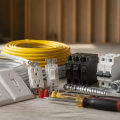
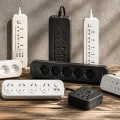
When embarking on any electrical project, understanding electrical supplies is crucial for ensuring safety, efficiency, and effectiveness. These supplies encompass a wide range of components and materials that are essential for both residential and commercial electrical work. From wiring and circuit breakers to outlets and switches, each item plays a specific role in the overall functionality of an electrical system. Knowing what these supplies are and how they work together can significantly impact the success of your project. There are various types of electrical supplies, each designed for particular applications.
For instance, wiring is fundamental for connecting different parts of an electrical system, while circuit breakers protect against overloads and short circuits. Additionally, outlets and switches facilitate user interaction with the electrical system, allowing for safe operation of devices. Understanding these categories not only helps in selecting the right components but also aids in troubleshooting issues that may arise during or after installation. This overview of electrical supplies sets the foundation for making informed decisions in your projects. Whether you are a DIY enthusiast or a professional electrician, having a solid grasp of the various types of supplies available will empower you to choose the right materials for your specific needs.
As we delve deeper into this topic, you will gain insights into how to assess your project requirements and select the most suitable electrical supplies to ensure a successful outcome.
Assessing Your Project Needs
When embarking on an electrical project, the first step is to assess your project needs. This involves understanding the specific requirements of your project, which can vary significantly based on several factors.Understanding the Scope and Scale
The scope of your project refers to the overall objectives and tasks involved. Are you working on a small DIY project, such as installing a new light fixture, or a larger endeavor like wiring an entire home? The scale will dictate the type and quantity of electrical supplies you will need. For instance:- Small Projects: Basic tools, light fixtures, and wiring may suffice.
- Medium Projects: You might require circuit breakers, outlets, and additional safety equipment.
- Large Projects: Comprehensive planning for electrical panels, extensive wiring, and compliance with local codes is essential.
Identifying Intended Use
The intended use of your electrical installation is another critical factor.Consider whether the project is for residential, commercial, or industrial purposes. Each category has different standards and requirements:
- Residential: Focus on safety and energy efficiency; choose supplies that meet local building codes.
- Commercial: Often requires more robust systems to handle higher loads; consider supplies that support advanced technology.
- Industrial: Durability and compliance with strict regulations are paramount; select heavy-duty supplies designed for high performance.
Consulting with Professionals
If you're unsure about your project's requirements, consulting with a licensed electrician or a knowledgeable supplier can provide valuable insights. They can help you determine:- The appropriate type of wiring and connectors needed.
- The necessary safety equipment to protect against electrical hazards.
- The best practices for installation to ensure compliance with local regulations.
Types of Electrical Supplies
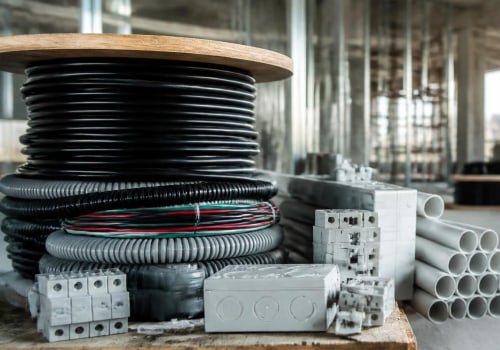
When embarking on an electrical project, understanding the different types of electrical supplies available is crucial for ensuring safety and efficiency. Here are some common categories of electrical supplies that you may encounter:- Wiring: This is the backbone of any electrical system.
Common types include:
- Non-metallic sheathed cable (NM): Often used in residential wiring.
- Armored cable (AC): Provides extra protection, ideal for commercial settings.
- Flexible cords: Used for portable devices and appliances.
- Connectors: These are essential for joining wires together. Types include:
- Wire nuts: Commonly used for splicing wires.
- Screw terminals: Provide a secure connection for various applications.
- Crimp connectors: Ideal for creating a strong, permanent connection.
- Circuit Breakers: These devices protect your electrical system from overloads. Key types include:
- Standard circuit breakers: Automatically shut off power during overloads.
- GFCI breakers: Protect against ground faults, especially in wet areas.
- AFCI breakers: Prevent arc faults that can lead to fires.
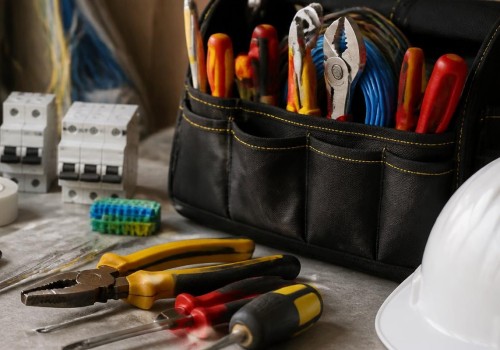
- Tools: A variety of tools are necessary for installation and maintenance, such as:
- Screwdrivers: Essential for securing connections.
- Pliers: Useful for gripping and bending wires.
- Multimeters: Help measure voltage, current, and resistance.
Safety Considerations When Choosing Electrical Supplies
When embarking on any electrical project, prioritizing safety is paramount.The selection of electrical supplies should always align with established safety standards and regulations to ensure both the integrity of the installation and the safety of individuals involved.One of the first steps in choosing safe electrical materials is to look for products that carry recognized certifications. These certifications indicate that the products have been tested and meet specific safety criteria. Common certifications to look for include:
- UL (Underwriters Laboratories): This mark signifies that the product has been tested for safety and performance.
- ETL (Intertek): Similar to UL, ETL certification indicates compliance with North American safety standards.
- CE Marking: For products sold in Europe, this mark shows compliance with health, safety, and environmental protection standards.
For instance:
- Voltage Rating: Ensure that the supplies can handle the voltage requirements of your project.
- Temperature Rating: Check if the materials can withstand the temperatures they will be exposed to during operation.
- Environmental Ratings: Look for ratings like IP (Ingress Protection) which indicate how well a product is protected against dust and moisture.
Where to Source Electrical Supplies
When embarking on an electrical project, knowing where to source electrical supplies is crucial for ensuring you have the right materials at your disposal. Here are some reliable options to consider:- Local Hardware Stores: These stores are often the first stop for many DIY enthusiasts and professionals alike.
They typically carry a wide range of electrical supplies, including wires, outlets, switches, and tools. Additionally, staff members can provide valuable advice and recommendations based on your specific project needs.
- Home Improvement Centers: Larger chains like Home Depot or Lowe's offer extensive selections of electrical materials. They often have dedicated sections for electrical supplies, making it easy to find everything from basic components to specialized items.
- Online Retailers: Websites like Amazon, eBay, and specialized electrical supply sites provide convenience and often competitive pricing. Shopping online allows you to compare products and read reviews from other customers, helping you make informed decisions.
- Specialty Electrical Suppliers: For more complex projects or specific needs, consider reaching out to specialty suppliers.
These businesses focus solely on electrical materials and can offer expert advice, bulk purchasing options, and hard-to-find items.
Cost Considerations for Electrical Supplies
When embarking on an electrical project, understanding the cost of electrical supplies is crucial for effective budgeting. The expenses associated with electrical materials can vary significantly based on quality, brand, and type.Here are some key considerations to keep in mind:
- Quality vs. Cost: While it may be tempting to opt for the cheapest options available, investing in high-quality electrical supplies can save you money in the long run. Poor-quality materials may lead to frequent replacements or safety hazards, which can incur additional costs.
- Project Scope: The size and complexity of your project will directly impact your budget. For larger projects, consider bulk purchasing to take advantage of discounts.
- Local vs.
Online Pricing:
Prices for electrical supplies can vary between local hardware stores and online retailers. It’s wise to conduct a price comparison to find the best deals. Don’t forget to factor in shipping costs when ordering online.
- List Required Supplies: Create a comprehensive list of all necessary materials, including wires, switches, outlets, and circuit breakers.
- Research Prices: Use both local stores and online platforms to gather price information for each item on your list.
- Set a Budget: Based on your research, establish a realistic budget that allows for some flexibility in case of unexpected expenses.
- Track Expenses: As you purchase supplies, keep track of your spending to ensure you stay within your budget.
Common Mistakes to Avoid When Choosing Electrical Supplies
When embarking on an electrical project, selecting the right electrical supplies is crucial. However, many individuals make common mistakes that can lead to costly errors and safety hazards.Here are some frequent pitfalls to avoid:
- Neglecting Local Codes and Regulations: One of the most significant mistakes is failing to consider local building codes. Each area has specific regulations regarding electrical installations, and ignoring these can result in fines or unsafe conditions.
- Choosing Incompatible Components: Not all electrical supplies work well together. For instance, using a circuit breaker that doesn’t match the amperage of your wiring can lead to serious issues. Always ensure compatibility between components.
- Overlooking Quality: Opting for cheaper, low-quality materials may save money initially but can lead to failures and increased costs in the long run.
Invest in reputable brands to ensure reliability and safety.
- Underestimating Power Needs: Many people fail to accurately assess their power requirements. This can result in overloaded circuits or insufficient power supply for devices. Always calculate your needs before purchasing.
- Ignoring Future Expansion: When selecting electrical supplies, consider potential future needs. Installing a system that only meets current demands can limit your options later on.
Always take the time to research and plan before making any purchases.
FAQs About Electrical Supplies Selection
When it comes to selecting electrical supplies for your project, several common questions arise. Here are some frequently asked questions that can help guide your decision-making process:What factors should I consider when choosing electrical supplies?
Several key factors should influence your selection:- Project Type: The nature of your project (residential, commercial, or industrial) will dictate the type of materials needed.
- Load Requirements: Understand the electrical load requirements to ensure you choose supplies that can handle the necessary voltage and current.
- Local Codes: Always check local building codes and regulations, as they may specify certain materials or standards that must be met.
- Quality and Safety: Opt for high-quality materials from reputable manufacturers to ensure safety and longevity.
How do I determine the right gauge of wire?
The wire gauge is crucial for safety and efficiency. To determine the appropriate gauge:- Identify the total amperage of the circuit.
- Refer to a wire gauge chart that correlates amperage with wire size.
- Consider the length of the wire run; longer distances may require a thicker gauge to prevent voltage drop.
Can I use any type of electrical box for my project?
No, not all electrical boxes are suitable for every application. Factors to consider include:- Box Type: Choose between standard, weatherproof, or junction boxes based on your installation environment.
- Size: Ensure the box is large enough to accommodate all wires and devices without overcrowding.
- Material: Select materials that are appropriate for the location (e.g., metal for durability or plastic for lightweight applications).
Conclusion: Making Informed Choices for Your Electrical Projects
In conclusion, selecting the right electrical supplies for your projects is crucial for ensuring safety, efficiency, and compliance with local codes.Throughout this article, we have explored various factors that influence your choices, including project requirements, material quality, and safety standards.To recap, here are some key considerations to keep in mind:
- Understand Your Project Needs: Assess the specific requirements of your project. Are you working on a residential renovation or a commercial installation? Each scenario may demand different types of electrical supplies.
- Quality Matters: Always prioritize high-quality materials. Investing in reliable electrical supplies can prevent future issues and ensure longevity.
- Consult Local Codes: Familiarize yourself with local electrical codes and regulations. Compliance is not just about legality; it also enhances safety.
- Seek Expert Advice: Don’t hesitate to consult with professionals or experienced electricians.
Their insights can guide you in making informed decisions.
- Consider Future Needs: Think ahead about potential expansions or upgrades. Choosing versatile and adaptable electrical supplies can save you time and money in the long run.