Electrical supplies are essential components that facilitate the safe and efficient distribution of electricity in various settings, from residential homes to large industrial facilities. These supplies encompass a wide range of items, including wires, cables, switches, outlets, and breakers, each playing a crucial role in ensuring that electrical systems function properly. Understanding what electrical supplies are and their significance is vital for anyone involved in construction, renovation, or even simple DIY projects. The importance of electrical supplies cannot be overstated. They not only provide the necessary infrastructure for powering devices and appliances but also contribute to safety by preventing electrical hazards.
For instance, using the correct type of wire for a specific application can prevent overheating and potential fires. Moreover, the right electrical supplies ensure compliance with local codes and regulations, which is critical for both safety and legal reasons. In addition to their functional roles, electrical supplies come in various types tailored to meet specific needs. From low-voltage applications to high-voltage systems, the diversity of electrical supplies allows for customization based on the requirements of each project. This variety can sometimes lead to confusion or misconceptions about what is truly necessary for a given task.
By clarifying these concepts, we can better appreciate the role that electrical supplies play in our daily lives and dispel any myths that may hinder effective use.
Misconception 1: All Electrical Supplies Are the Same
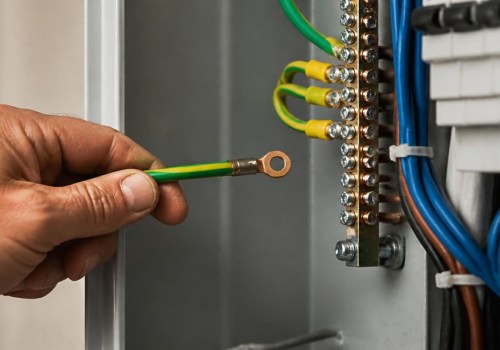
One of the most prevalent misconceptions about electrical supplies is the belief that all components are interchangeable. In reality, there are significant differences among various types of electrical supplies, each designed for specific applications and requirements.For instance, consider the distinction between wires and cables. Wires are typically single conductors used for transmitting electricity, while cables consist of multiple wires bundled together, often with insulation. This fundamental difference means that using a wire in place of a cable can lead to safety hazards and performance issues.Another common misunderstanding involves fuses and circuit breakers.While both serve the purpose of protecting electrical circuits from overloads, they operate differently. Fuses are one-time use devices that must be replaced after they blow, whereas circuit breakers can be reset after tripping. Choosing the wrong type can compromise safety and functionality.Additionally, the variety of connectors, such as screw terminals, spade connectors, and crimp connectors, highlights the importance of selecting the right component for your project. Each connector type has its own advantages and is suited for different applications, affecting both reliability and ease of installation.In summary, understanding the differences in electrical supplies is crucial for ensuring safety and efficiency in any electrical project.
Selecting the appropriate components not only enhances performance but also minimizes risks associated with improper installations.
Misconception 2: Higher Price Means Better Quality
One of the most prevalent misconceptions surrounding electrical supplies is the belief that a higher price tag guarantees superior quality. While it is true that some expensive electrical components are made with better materials and advanced technology, this is not a universal rule. The relationship between price and quality is often more complex than it appears.Several factors contribute to the quality of electrical supplies, including:- Brand Reputation: Established brands may charge more due to their reputation for reliability and performance. However, newer or lesser-known brands can offer comparable quality at a lower price.
- Material Quality: The materials used in manufacturing can significantly affect performance.
Some cheaper products may use inferior materials, but others might be made from high-quality components yet priced lower due to lower overhead costs.
- Market Demand: Prices can fluctuate based on demand. A product that is in high demand may be priced higher, regardless of its actual quality.
- Distribution Costs: Sometimes, the price reflects the distribution chain rather than the product itself. A product may be expensive due to shipping costs or retailer markups.
In many cases, a mid-range product can provide excellent performance without the premium price tag.Ultimately, while there are instances where higher-priced electrical supplies offer better quality, it is not a hard and fast rule. Evaluating products based on their features, user feedback, and specific application needs will yield better results than relying solely on price as an indicator of quality.
Misconception 3: DIY Electrical Work Is Always Safe with Basic Supplies
One of the most prevalent misconceptions about electrical supplies is the belief that DIY electrical work is inherently safe, especially when using basic supplies. While it may seem straightforward to tackle minor electrical projects at home, the reality is that even simple tasks can pose significant risks.Understanding the Risks of DIY Electrical Projects
- Electrical Shock: One of the most immediate dangers of DIY electrical work is the risk of electrical shock. Even low-voltage systems can be hazardous if not handled properly.
- Fire Hazards: Improperly installed wiring or overloaded circuits can lead to electrical fires, which can cause extensive damage and endanger lives.
- Code Violations: Many DIY enthusiasts are unaware of local building codes and safety standards.
Failing to adhere to these regulations can result in unsafe installations and potential legal issues.
The Importance of Professional Guidance
When it comes to working with electrical supplies, seeking professional guidance is crucial. Licensed electricians have the training and experience necessary to ensure that all work is performed safely and in compliance with local codes. They can also help identify potential hazards that a DIYer might overlook.
Choosing Safe Electrical Supplies for DIY Projects
If you still choose to undertake a DIY project, it’s essential to select high-quality, safe electrical supplies. Look for products that are certified by recognized safety organizations, such as Underwriters Laboratories (UL).
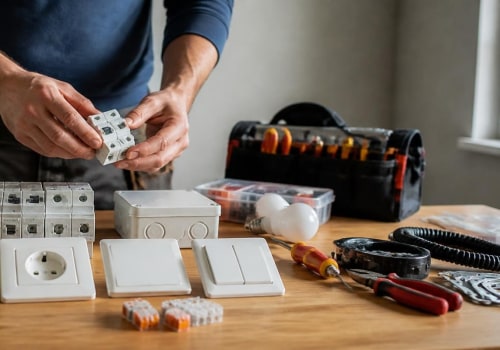
Additionally, always use tools designed for electrical work, as they provide better safety features and reliability.In conclusion, while DIY projects can be rewarding, they come with inherent risks, especially when it involves electrical supplies. Prioritizing safety and considering professional assistance can help mitigate these dangers and ensure a successful outcome.
Misconception 4: All Electrical Supplies Are Regulated Equally
One of the most prevalent misconceptions about electrical supplies is that all products in this category are regulated by the same standards. In reality, the regulation of electrical supplies varies significantly based on the type of product, its intended use, and the region in which it is sold.For instance, while some components like circuit breakers and wiring must adhere to strict safety standards set by organizations such as the Underwriters Laboratories (UL) or the Institute of Electrical and Electronics Engineers (IEEE), other products may not be subject to the same level of scrutiny. This discrepancy can lead to confusion among consumers and professionals alike.Understanding Safety Standards
Safety standards for electrical components are designed to ensure reliability and minimize risks associated with electrical failures.These standards often include:
- UL Certification: Indicates that a product has been tested for safety and performance.
- National Electrical Code (NEC): Provides guidelines for safe electrical installations.
- International Electrotechnical Commission (IEC) Standards: Focuses on international safety standards for electrical devices.
The Importance of Compliance
Compliance with established safety standards is crucial for ensuring that electrical supplies perform safely and effectively. When purchasing these products, it is essential to verify their certifications and understand the regulations that apply to them. This diligence helps prevent accidents and ensures that installations meet local codes.In conclusion, while many assume that all electrical supplies are created equal in terms of regulation, it is vital to recognize the differences in compliance requirements.By being informed about these variations, consumers can make safer choices and contribute to a more reliable electrical infrastructure.
Misconception 5: You Can Use Any Wire for Any Application
One of the most prevalent misconceptions about electrical supplies is the belief that any wire can be used for any application. This notion can lead to serious safety hazards and inefficiencies in electrical systems. Understanding the different types of wires and their specific applications is crucial for both safety and performance.Wire Types
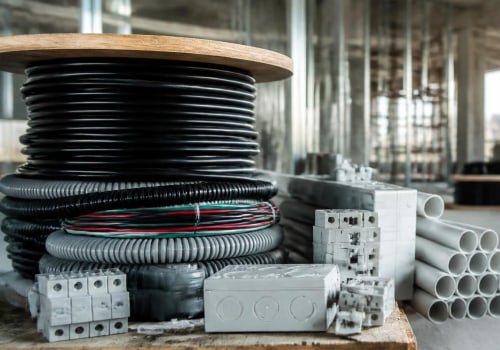
- Non-metallic sheathed cable (NM) : Commonly used in residential wiring, NM cable is suitable for dry locations and is not designed for outdoor use.
- Armored cable (AC) : This type of wire is used in areas where additional protection is needed, such as in commercial buildings or exposed locations.
- THHN wire : A versatile wire that can be used in conduit for various applications, including residential and commercial installations.
For example:
- 12-gauge wire : Typically used for lighting circuits and general-purpose outlets.
- 14-gauge wire : Often used for smaller circuits, such as those powering lights or receptacles.
- 10-gauge wire : Suitable for high-power applications like electric water heaters or air conditioning units.
Frequently Asked Questions About Electrical Supplies
When it comes to electrical supplies, there are numerous misconceptions that can lead to confusion and potentially hazardous situations. Here are some frequently asked questions that help clarify these misunderstandings:- Are all electrical supplies the same? No, not all electrical supplies are created equal. Different applications require specific types of components, such as wires, connectors, and circuit breakers.
Using the wrong type can lead to inefficiencies or safety hazards.
- Can I use household electrical supplies for commercial purposes? This is a common misconception. Household electrical supplies are typically not rated for the higher demands of commercial applications. Always check the specifications before using them in a business setting.
- Is it safe to buy electrical supplies online? While many reputable retailers sell electrical supplies online, it's crucial to ensure that you are purchasing from a trusted source. Look for reviews and verify that the products meet safety standards.
- Do I need a professional for all electrical work? This depends on the complexity of the task.
While minor repairs can often be handled by DIY enthusiasts, more complicated installations should always be performed by licensed professionals to ensure safety and compliance with local codes.
Conclusion: Clearing Up Misconceptions About Electrical Supplies
In conclusion, understanding the realities surrounding electrical supplies is crucial for both safety and efficiency in any electrical project. Misconceptions can lead to poor decisions, which may result in costly mistakes or hazardous situations. By addressing these common myths, we can empower consumers and professionals alike to make informed choices.- Quality vs.
Cost:
One prevalent misconception is that all electrical supplies are created equal. In reality, investing in high-quality materials can save money in the long run by reducing the need for replacements and repairs. - DIY vs. Professional Help: Many believe that handling electrical work is a simple DIY task. However, without proper knowledge and experience, this can lead to dangerous outcomes.
It’s often best to consult with a licensed electrician for complex projects.
- Compatibility Issues: Another common myth is that all electrical supplies are universally compatible. Different systems and components may require specific types of supplies, so it’s essential to verify compatibility before making a purchase.
- Neglecting Local Codes: Some individuals assume that national standards apply everywhere. Local building codes can vary significantly, and failing to adhere to them can result in fines or unsafe installations.
Stay informed, ask questions, and always prioritize safety in your electrical endeavors.