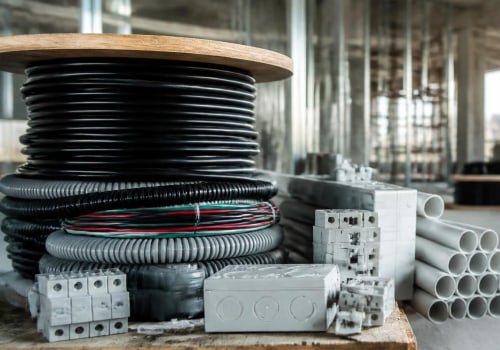
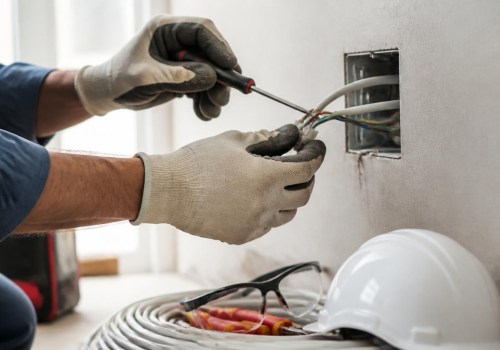
Understanding electrical supplies is crucial for anyone looking to ensure their electrical systems function efficiently and safely. At its core, electrical supplies encompass a wide range of components and materials that are essential for the installation, maintenance, and operation of electrical systems. These supplies can include everything from wires and cables to circuit breakers and outlets, each playing a vital role in the overall functionality of your electrical setup. There are several types of electrical supplies available on the market, catering to various needs and applications. For instance, residential electrical supplies typically include items like switches, receptacles, and lighting fixtures, while commercial applications may require more specialized equipment such as transformers and industrial-grade wiring.
Understanding the specific requirements of your system is key to selecting the right components. Moreover, the compatibility of these electrical supply components with your existing system is paramount. Factors such as voltage ratings, amperage capacity, and physical dimensions must be considered to avoid potential hazards or inefficiencies. By familiarizing yourself with the different types of electrical supplies and their functions, you can make informed decisions that enhance the safety and performance of your electrical installations.
Assessing Your Existing Electrical System
To determine if your electrical supplies are compatible with your existing system, you first need to assess the current setup. This involves identifying key components and understanding their specifications.Identifying Key Components
Your electrical system consists of several critical components, including:- Service Panel: This is the main distribution point for electrical circuits in your home.
Check the panel's amperage rating, which typically ranges from 100 to 200 amps.
- Circuit Breakers: These protect your electrical system from overloads. Ensure that the breakers are rated for the appropriate voltage and amperage for your needs.
- Wiring: The type and gauge of wiring used in your home can affect compatibility. Common types include copper and aluminum, with gauges ranging from 14 to 6 AWG.
- Outlets and Switches: Verify that these components are rated for the voltage and current they will handle. Standard outlets are typically rated for 15 or 20 amps.
Understanding Electrical Specifications
Next, you should familiarize yourself with the specifications of your existing system:- Voltage Rating: Most residential systems operate at 120/240 volts.
Ensure that any new electrical supplies match this voltage to avoid compatibility issues.
- Amperage Requirements: Calculate the total amperage required by your devices and appliances. This will help you determine if your service panel can handle additional loads.
- Frequency: In the U.S., the standard frequency is 60 Hz. Ensure that any new equipment is compatible with this frequency.
Key Factors for Compatibility
When assessing the compatibility of electrical supplies with your existing system, several key factors must be considered to ensure safe and efficient operation. Understanding these factors can prevent potential damage to your equipment and enhance overall performance.Voltage Requirements
The first critical factor is the voltage requirement.Every electrical system operates at a specific voltage level, typically ranging from 120V to 480V in residential and commercial applications. It is essential to match the voltage of the new electrical supply with that of your existing system. Using a supply with a higher voltage than your system can lead to overheating and equipment failure, while a lower voltage may result in insufficient power delivery.
Amperage Ratings
Next, consider the amperage ratings. This measurement indicates the maximum current that can safely flow through the electrical supply.Each component in your system has a designated amperage rating, and exceeding this limit can cause circuit breakers to trip or, worse, lead to electrical fires. Always check that the amperage rating of the new supply meets or exceeds that of your existing components.
Frequency Considerations
Another important aspect is the frequency, typically measured in hertz (Hz). In the United States, most systems operate at 60Hz. If you are considering an electrical supply that operates at a different frequency, it may not be compatible with your existing equipment, potentially leading to operational issues or damage.In summary, ensuring compatibility of electrical supplies involves careful consideration of voltage requirements, amperage ratings, and frequency.By thoroughly evaluating these factors, you can make informed decisions that enhance the safety and efficiency of your electrical system.
Common Compatibility Issues
When integrating new electrical supplies into your existing system, several common compatibility issues may arise. Identifying these problems early can save you time, money, and potential hazards.Common Issues with Electrical Supply Compatibility
- Voltage Mismatch: One of the most frequent issues is a mismatch in voltage levels. If your existing system operates at a different voltage than the new supply, it can lead to equipment failure or even electrical fires.
- Amperage Discrepancies: Each electrical device has a specific amperage requirement. Using supplies that exceed or fall short of this requirement can cause overheating or underperformance.
- Connector Types: Different electrical supplies may use various connector types.
Ensure that the connectors are compatible; otherwise, you may need adapters that could introduce additional points of failure.
- Frequency Variations: In some cases, especially with AC supplies, the frequency (measured in Hertz) can differ. This can affect the performance of motors and other sensitive equipment.
Troubleshooting Compatibility Problems
If you suspect compatibility issues, consider the following troubleshooting steps:- Check Specifications: Review the specifications of both your existing system and the new electrical supply. Look for voltage, amperage, and frequency ratings.
- Inspect Connections: Ensure all connections are secure and compatible. Loose or incorrect connections can lead to intermittent failures.
- Monitor Performance: After installation, monitor the performance of your system closely.
Look for signs of overheating, unusual noises, or flickering lights.
Signs of Incompatibility
Be vigilant for these signs that may indicate incompatibility:- Frequent Tripping: Circuit breakers tripping often can signal that the new supply is drawing too much current.
- Overheating Components: If any part of your system feels excessively hot to the touch, it may be a sign of an overload.
- Poor Performance: Devices not functioning as expected or showing reduced efficiency can indicate compatibility issues.
How to Choose Compatible Electrical Supplies
Choosing compatible electrical supplies is crucial for ensuring the safety and efficiency of your electrical system. Here are some practical tips to guide you in selecting the right components:- Understand Your System's Requirements: Before purchasing any electrical supplies, assess your existing system. Check the voltage, amperage, and wattage specifications to ensure that new components will work seamlessly with your current setup.
- Consult Manufacturer Guidelines: Always refer to the manufacturer’s documentation for your existing equipment. This information often includes compatibility charts and recommended specifications for additional electrical supplies.
- Check for Certifications: Look for products that have been certified by recognized standards organizations, such as UL (Underwriters Laboratories) or ETL (Intertek).
These certifications indicate that the electrical supplies meet safety and performance standards.
- Consider the Environment: If your electrical system is located in a specific environment (e.g., wet, dry, or hazardous), ensure that the electrical supplies you choose are rated for those conditions. This will help prevent failures and enhance safety.
- Seek Professional Advice: If you're unsure about compatibility, consult with a licensed electrician. They can provide insights based on their experience and help you avoid costly mistakes.
Sometimes, a slightly higher price can mean better quality and longer-lasting performance, which is an investment worth making.
FAQs About Electrical Supply Compatibility
When it comes to ensuring that your electrical supplies are compatible with your existing system, several common questions arise. Here are some frequently asked questions that can help clarify compatibility issues.What should I check to determine compatibility?
To determine if your electrical supplies are compatible, consider the following:- Voltage Rating: Ensure that the voltage rating of the new supply matches your existing system.
- Amperage: Check that the amperage capacity is sufficient for your needs without exceeding the limits of your current setup.
- Phase Type: Identify whether your system operates on single-phase or three-phase power and match accordingly.
- Connector Types: Verify that the connectors and fittings are compatible with your existing wiring and devices.
How can I troubleshoot compatibility issues?
If you suspect compatibility issues, follow these troubleshooting steps:- Inspect Connections: Ensure all connections are secure and properly aligned.
- Test Voltage Levels: Use a multimeter to check voltage levels at various points in your system.
- Consult Manufacturer Specifications: Review the specifications provided by manufacturers for both your existing system and the new supplies.
- Seek Professional Help: If you're unsure, consult a licensed electrician to assess compatibility and safety.
What if my electrical supply is not compatible?
If you find that your electrical supplies are not compatible, consider these options:- Return or Exchange: If possible, return or exchange the incompatible supplies for ones that meet your requirements.
- Upgrade Components: Sometimes upgrading specific components of your system can resolve compatibility issues.
- Consult an Expert: A professional can provide tailored advice on how to proceed safely and effectively.
Conclusion: Ensuring Safe and Efficient Electrical Supply Use
In conclusion, ensuring that your electrical supplies are compatible with your existing system is crucial for both safety and efficiency. Throughout this article, we have explored various factors that influence compatibility, including voltage requirements, amperage ratings, and the specific types of connections needed for your setup. To summarize the key points:- Voltage Compatibility: Always check that the voltage rating of new electrical supplies matches that of your existing system to prevent damage or malfunction.
- Amperage Ratings: Ensure that the amperage capacity of your new supplies meets or exceeds the requirements of your devices to avoid overheating and potential hazards.
- Connection Types: Verify that the connectors and plugs are compatible with your current system to ensure a secure and reliable connection.
- Manufacturer Specifications: Refer to the manufacturer’s guidelines for both your existing system and any new supplies to confirm compatibility.
Prioritizing compatibility not only safeguards your equipment but also contributes to the overall efficiency of your electrical system.