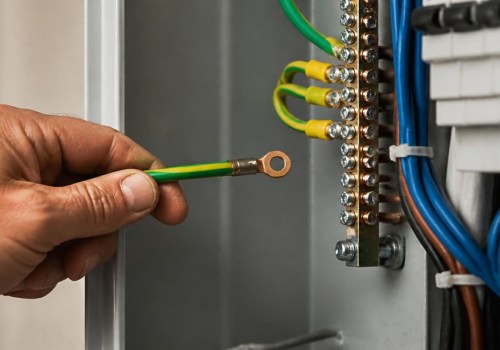
Electrical supplies encompass a wide range of items essential for both residential and commercial electrical systems. These include wires, circuit breakers, outlets, and various types of lighting fixtures. While these components are crucial for the safe and efficient functioning of electrical systems, they can pose significant risks when they become old or damaged. Understanding the nature of these supplies is the first step in recognizing the importance of their proper disposal. Old or damaged electrical supplies can harbor a variety of hazards.
For instance, frayed wires can lead to electrical shocks or fires, while outdated circuit breakers may not function correctly, increasing the risk of electrical overloads. Additionally, many electrical components contain hazardous materials such as lead or mercury, which can be harmful to both human health and the environment if not disposed of correctly. The potential dangers associated with these items underscore the necessity for responsible disposal practices. Proper disposal of electrical supplies is not just a matter of safety; it is also a legal requirement in many areas. Many local governments have specific regulations regarding the disposal of electronic waste, including electrical components.
By adhering to these guidelines, individuals can help prevent environmental contamination and promote sustainability. Understanding the risks associated with old electrical supplies and the importance of their proper disposal sets the foundation for responsible management of these essential items.
Identifying Old or Damaged Electrical Supplies
Identifying old or damaged electrical supplies is crucial for ensuring safety and compliance with disposal regulations. Here are some key indicators to help you recognize when it's time to dispose of these items.Signs of Old Electrical Supplies
- Frayed Wires: If you notice any exposed or frayed wires, this is a clear sign that the electrical supply is damaged and should be replaced.
- Burn Marks: Look for any discoloration or burn marks on plugs, sockets, or cords. These marks indicate overheating and potential fire hazards.
- Frequent Tripping: If circuit breakers trip often when using certain devices, it may indicate that the electrical supply is faulty.
- Unusual Smells: A burning or acrid smell coming from electrical devices can signal overheating or damage.
Types of Electrical Supplies to Dispose
Several types of electrical supplies require special attention when it comes to disposal:- Cords and Cables: Any cords that show signs of wear, such as cuts or fraying, should be disposed of properly.
- Batteries: Old batteries can leak harmful chemicals and should be taken to a recycling center that accepts them.
- Light Bulbs: Certain types of light bulbs, especially compact fluorescent lamps (CFLs), contain hazardous materials and need to be recycled correctly.
- Old Appliances: If appliances are no longer functioning or are outdated, they should be disposed of according to local regulations.
Always check local guidelines for specific disposal instructions in your area.
Local Regulations and Guidelines for Disposal
When it comes to disposing of electrical supplies, understanding local regulations and guidelines is crucial for both compliance and environmental safety. Each state and municipality may have specific laws governing the disposal of electrical waste, which can include anything from old wiring and circuit boards to damaged appliances.Local Regulations
- Many areas have designated drop-off locations for electrical waste, often run by local waste management authorities. These facilities are equipped to handle hazardous materials safely.
- Some states require that certain types of electrical supplies be recycled rather than thrown away. For example, items containing mercury, such as fluorescent bulbs, must be disposed of in accordance with state laws.
- Check with your local government or waste management agency for specific guidelines on what can and cannot be disposed of in regular trash.
Guidelines for Disposing Electrical Supplies
- Research Local Laws: Before disposing of any electrical supplies, research your local regulations.
Websites of state environmental agencies often provide detailed information.
- Utilize Recycling Programs: Many communities offer recycling programs specifically for electronic waste. Participating in these programs helps ensure that materials are processed responsibly.
- Follow Safety Protocols: When handling damaged electrical supplies, wear protective gear to avoid injury from sharp edges or toxic substances.
State Laws on Electrical Disposal
In addition to local regulations, state laws may impose stricter requirements on the disposal of certain types of electrical supplies. For instance, California has stringent rules regarding the disposal of e-waste, mandating that residents recycle their old electronics through certified e-waste recyclers. Similarly, New York has enacted laws that prohibit the disposal of specific electronic devices in landfills.By adhering to these local regulations and guidelines, you not only comply with the law but also contribute to a healthier environment by ensuring that hazardous materials are handled properly.
Safe Disposal Methods for Electrical Supplies
When it comes to disposing of electrical supplies, safety and environmental responsibility should be your top priorities.Improper disposal can lead to hazardous waste contamination and pose risks to both human health and the environment. Here are some effective methods for safely disposing of your old or damaged electrical supplies:
- Recycling Programs: Many communities offer recycling programs specifically for electrical waste. Check with your local waste management authority to find out if there are designated drop-off locations or scheduled collection events for electronic items.
- Retailer Take-Back Programs: Some retailers have take-back programs where you can return old electrical supplies when purchasing new ones. This is a convenient way to ensure that your items are disposed of properly.
- Hazardous Waste Facilities: If your electrical supplies contain hazardous materials, such as batteries or certain types of light bulbs, they should be taken to a hazardous waste facility.
These facilities are equipped to handle dangerous materials safely.
- Donation: If your electrical supplies are still functional, consider donating them to local charities, schools, or community centers. Many organizations welcome working electronics and tools that can be reused.
Recycling Electrical Supplies: What You Need to Know
Recycling electrical supplies is a crucial step in managing electronic waste responsibly.As technology advances, many devices and components become obsolete or damaged, leading to an accumulation of materials that can be harmful to the environment if not disposed of properly. Understanding the recycling process and its benefits can encourage more individuals and businesses to participate in eco-friendly practices.
Benefits of Recycling Electrical Waste
- Environmental Protection: Recycling helps reduce the amount of waste sent to landfills, which can leach harmful substances into the soil and water.
- Resource Conservation: Many electrical supplies contain valuable materials such as copper, aluminum, and rare earth metals. Recycling allows these materials to be recovered and reused, reducing the need for new raw materials.
- Energy Savings: The recycling process typically uses less energy compared to producing new products from virgin materials, contributing to lower carbon emissions.
- Job Creation: The recycling industry creates jobs in collection, processing, and resale of recycled materials, supporting local economies.
Where to Recycle Electrical Supplies
Finding a suitable location to recycle your old or damaged electrical supplies is easier than you might think. Here are some options:
- Local Recycling Centers: Many municipalities have designated recycling centers that accept electronic waste.
Check with your local waste management authority for specific locations.
- Retailer Take-Back Programs: Some electronics retailers offer take-back programs where you can return old devices for proper recycling. This is often a convenient option when purchasing new items.
- Community Events: Look for community recycling events that focus on electronic waste. These events often provide free drop-off services for residents.
- Manufacturer Programs: Some manufacturers have their own recycling initiatives. Visit their websites to learn about how they handle end-of-life products.
Make recycling a priority in your household or business to help protect our planet.
Frequently Asked Questions About Electrical Supply Disposal
When it comes to disposing of electrical supplies, many people have questions about the best practices and regulations involved. Here are some frequently asked questions that can help clarify the process:What types of electrical supplies can be recycled?
Many electrical supplies can be recycled, including:- Cables and wires
- Batteries
- Light bulbs (especially CFLs and LEDs)
- Old appliances
- Power tools
How should I prepare electrical supplies for disposal?
Before disposing of your electrical supplies, it’s important to:- Remove batteries: Take out any batteries from devices, as they often require separate disposal.
- Clean items: Ensure that items are free from hazardous materials or contaminants.
- Package safely: Use sturdy boxes or containers to prevent damage during transport.
Are there any legal requirements for disposing of electrical waste?
Yes, many states have regulations regarding the disposal of electronic waste. It is illegal in some areas to throw away certain types of electrical supplies, such as televisions and computers, in regular trash. Always check local laws to ensure compliance.What are some tips for safe disposal?
- Use designated drop-off locations: Many communities offer special collection events or permanent drop-off sites for electronic waste.
- Avoid landfills: Never dispose of electrical supplies in landfills, as they can release harmful substances into the environment.
- Consider donation: If your electrical items are still functional, consider donating them to local charities or organizations.
Conclusion: Key Takeaways on Disposing Electrical Supplies Responsibly
In conclusion, disposing of electrical supplies responsibly is crucial for both environmental protection and public safety.As we have discussed, improper disposal can lead to hazardous waste contaminating our landfills and water sources, posing risks to wildlife and human health.Here are the key takeaways to remember:
- Understand Local Regulations: Always check your local laws regarding the disposal of electrical supplies. Many areas have specific guidelines that must be followed to ensure safe disposal.
- Utilize Recycling Programs: Take advantage of community recycling programs that accept electrical supplies. These programs are designed to handle hazardous materials safely and can often recycle components effectively.
- Consider Donation: If your electrical supplies are still functional, consider donating them to local charities or organizations that can put them to good use.
- Use Hazardous Waste Facilities: For damaged or non-functional items, locate a hazardous waste facility in your area. These facilities are equipped to handle and dispose of dangerous materials safely.
- Educate Others: Share your knowledge about the importance of proper disposal with friends and family.
Encouraging responsible behavior can lead to a more environmentally conscious community.