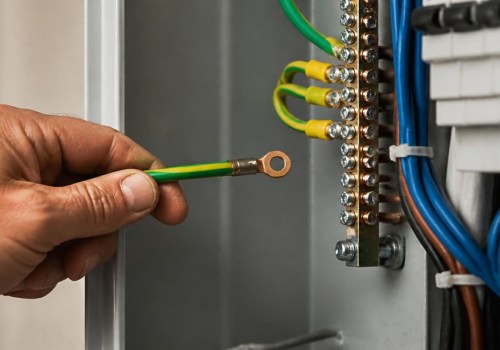
When embarking on any electrical project, understanding the fundamental concepts of voltage and amperage is crucial. These two elements are the backbone of any electrical system, influencing everything from the performance of your devices to the safety of your setup. Voltage, often referred to as electrical potential difference, is the force that pushes electric charges through a circuit. It is measured in volts (V) and determines how much energy is available to move electrons.
On the other hand, amperage, or current, measures the flow of electric charge and is expressed in amperes (A). Together, these two factors dictate how much power your project will consume and how effectively it will operate. Accurate calculations of voltage and amperage are essential for selecting the right electrical supplies. Using components that are not rated for the required voltage or current can lead to equipment failure or even hazardous situations. For instance, if you underestimate the amperage needed for your project, you risk overheating wires or damaging sensitive electronics.
Conversely, overestimating can lead to unnecessary costs and inefficiencies. Therefore, understanding how to calculate these values not only ensures optimal performance but also enhances safety. As you delve deeper into your project, consider how voltage and amperage interact with other factors such as resistance and power consumption. This foundational knowledge will empower you to make informed decisions about your electrical supplies, ensuring that you choose components that align with your project's specific requirements. By grasping these concepts early on, you set yourself up for success in creating a reliable and efficient electrical system.
The Importance of Calculating Voltage and Amperage
Calculating voltage and amperage is crucial for any electrical project, as it directly impacts the safety, efficiency, and overall success of your work.Understanding these calculations helps ensure that your project operates within safe limits and meets its intended purpose.
Importance of Voltage Calculation
- Safety: Incorrect voltage levels can lead to equipment damage or even electrical fires. By calculating the required voltage, you can prevent overloading circuits and ensure that all components function correctly.
- Efficiency: Using the right voltage ensures that your devices operate at optimal performance. Under-voltage can cause devices to work harder, leading to increased energy consumption and reduced lifespan.
- Compatibility: Different electrical supplies have specific voltage requirements. Knowing the correct voltage helps in selecting compatible components, reducing the risk of malfunction.
Importance of Amperage Calculation
- Load Management: Calculating amperage allows you to understand how much current your project will draw.
This is essential for selecting appropriate wiring and circuit breakers to handle the load safely.
- Preventing Overheating: Excessive amperage can cause wires to overheat, leading to insulation failure and potential fire hazards. Proper calculations help mitigate these risks.
- System Performance: Ensuring that your project has the correct amperage allows for stable operation, preventing flickering lights or intermittent device failures.
Electrical Project Safety
The importance of calculating both voltage and amperage cannot be overstated when it comes to safety. Failing to perform these calculations can result in serious accidents, equipment damage, or even legal liabilities. Always take the time to assess your project's requirements thoroughly before proceeding with any electrical work.In conclusion, accurate calculations of voltage and amperage are fundamental to the success of any electrical project.
They not only enhance safety but also improve efficiency and reliability, ensuring that your project meets its goals without unnecessary risks.
Basic Electrical Concepts You Need to Know
Understanding basic electrical concepts is essential for anyone looking to calculate the voltage and amperage needed for their projects. Two fundamental principles that guide these calculations are Ohm's Law and various electrical formulas.Ohm's Law
Ohm's Law states that the current (I) flowing through a conductor between two points is directly proportional to the voltage (V) across the two points and inversely proportional to the resistance (R) of the conductor. This relationship can be expressed with the formula:- V = I × R
- I = V / R
- R = V / I
Key Electrical Terms
Before diving into calculations, familiarize yourself with some basic electrical terms:- Voltage (V): The electrical potential difference between two points, measured in volts.
- Current (I): The flow of electric charge, measured in amperes (amps).
- Resistance (R): The opposition to current flow, measured in ohms.
- Power (P): The rate at which electrical energy is consumed or produced, calculated using the formula P = V × I, measured in watts.
By mastering them, you will be better equipped to assess your project's needs and select appropriate electrical supplies.In summary, grasping these basic electrical concepts not only aids in accurate calculations but also enhances your overall understanding of how electrical systems function. This knowledge is crucial for ensuring safety and efficiency in your projects.
How to Calculate Voltage for Your Project
Calculating the voltage required for your project is essential to ensure that your electrical supplies function correctly and safely. Here’s a step-by-step guide to help you through the process.- Understand Your Load: Determine the total power requirement of your project. This is usually measured in watts (W).
For example, if you have a light bulb that consumes 60 watts, that’s your load.
- Identify the Current: Use the formula I = P / V, where I is the current in amperes (A), P is the power in watts, and V is the voltage in volts. Rearranging this gives you V = P / I. If you know the current your project will draw, you can calculate the voltage needed.
- Consider Voltage Drop: If your project involves long wire runs, consider the voltage drop. This can be calculated using the formula: V_d = 2 * L * I * R, where L is the one-way length of the wire in feet, I is the current in amperes, and R is the resistance of the wire per foot.
- Add a Safety Margin: It’s wise to add a safety margin to your calculated voltage to account for fluctuations and inefficiencies.
A common practice is to add 10% to your calculated voltage.
Example:
If your project requires 120 watts and operates at a current of 1 ampere, using the formula V = P / I, you would calculate:V = 120W / 1A = 120VIf you anticipate a voltage drop due to long wiring, adjust accordingly. For instance, if you find that your wiring causes a drop of 5 volts, you would need to supply at least 125 volts to maintain performance.This systematic approach ensures that you accurately calculate the voltage needed for your project, allowing you to select appropriate electrical supplies and avoid potential issues down the line.
How to Calculate Amperage for Your Project
Calculating the amperage required for your project is crucial to ensure that your electrical supplies can handle the load without overheating or causing damage. The basic formula to determine amperage is:Amperage (A) = Power (W) / Voltage (V)- Power (W) is the total wattage of the devices you plan to use.
- Voltage (V) is the voltage of your electrical supply, typically 120V or 240V in residential settings.
Amperage = 600W / 120V = 5AHowever, it’s wise to add a safety margin to account for any fluctuations in power demand. A common practice is to increase the calculated amperage by about 20%:
Adjusted Amperage = 5A * 1.2 = 6ATotal Power = 200W + 300W + 100W = 600WAmperage = 600W / 120V = 5AChoosing the Right Electrical Supplies Based on Your Calculations
When embarking on an electrical project, selecting the right electrical supplies is crucial to ensure both functionality and safety.After calculating the required voltage and amperage, the next step is to match these specifications with appropriate components.
Understanding Component Ratings
Each electrical component comes with specific ratings for voltage and current. It’s essential to choose components that can handle the calculated values without exceeding their limits. For instance, if your project requires 12 volts and 5 amps, look for components rated for at least 12 volts and preferably higher for added safety margin.Types of Electrical Supplies
- Wires: Select wires that can handle the amperage of your project. Use the American Wire Gauge (AWG) system to determine the appropriate wire size.
- Resistors: Ensure that resistors are rated for the voltage and can dissipate the power without overheating.
- Capacitors: Choose capacitors with a voltage rating higher than your circuit's maximum voltage to prevent failure.
- Switches and Connectors: These should also be rated for your project's voltage and current to ensure reliable operation.
Safety Considerations
Always prioritize safety when selecting electrical supplies.Using components that are not rated for your calculated requirements can lead to overheating, component failure, or even fire hazards. Additionally, consider using fuses or circuit breakers that match your amperage calculations to protect your circuit from overloads.In summary, carefully matching your electrical components with your calculated voltage and amperage is vital. By understanding component ratings and prioritizing safety, you can ensure a successful and safe electrical project.
Common Mistakes to Avoid When Calculating Voltage and Amperage
When working on electrical projects, accurately calculating voltage and amperage is crucial. However, many individuals make common mistakes that can lead to project failures or safety hazards.Here are some frequent errors to watch out for:
- Neglecting Load Requirements: One of the most significant mistakes is failing to consider the total load requirements of all devices. Each device has a specific voltage and amperage rating, and overlooking these can result in underestimating the necessary power supply.
- Using Incorrect Units: Confusing volts with amps is a common error. Remember that voltage (V) measures electrical potential, while amperage (A) measures current flow. Always double-check your units when performing calculations.
- Ignoring Voltage Drop: In longer wire runs, voltage drop can significantly affect performance.
Failing to account for this can lead to insufficient voltage at the load end. Use appropriate formulas to calculate voltage drop based on wire length and gauge.
- Assuming All Devices Are Equal: Not all electrical devices operate under the same conditions. For instance, motors may require higher starting amperage than their running amperage. Always refer to the manufacturer's specifications for accurate ratings.
- Overlooking Safety Margins: It's essential to include a safety margin in your calculations.
This ensures that your electrical supplies can handle unexpected surges or additional loads without risking damage or failure.
FAQs About Voltage and Amperage Calculations
When embarking on an electrical project, understanding how to calculate voltage and amperage is crucial. Here are some frequently asked questions that can help clarify these concepts:What is voltage and how do I calculate it?
Voltage, measured in volts (V), is the electrical potential difference between two points.To calculate the voltage needed for your project, you can use Ohm's Law, which states:
- V = I × R
- V = 2A × 5Ω = 10V
How do I determine the amperage needed for my project?
Amperage, or current, is the flow of electric charge and is measured in amperes (A). To find out how much current your project will draw, you can rearrange Ohm's Law:- I = V / R
- I = 12V / 4Ω = 3A
What are some common questions about electrical supplies?
- What type of electrical supplies do I need for my project? The type of supplies depends on your specific project requirements, including wires, connectors, switches, and circuit breakers.
- How do I choose the right gauge wire? Wire gauge is determined by the amount of current it needs to carry.
Use a wire gauge chart to select an appropriate size based on your calculated amperage.
- Can I use a multimeter to measure voltage and amperage? Yes, a multimeter is an essential tool for measuring both voltage and current in your circuits.
Conclusion: Mastering Your Electrical Project Calculations
In conclusion, accurately calculating the voltage and amperage required for your electrical project is crucial for ensuring safety and efficiency. As we have discussed, understanding the relationship between these two elements is fundamental to selecting the right electrical supplies and components.To recap, here are the key steps to follow:- Determine Your Power Requirements: Assess the total wattage needed for your project by adding up the wattage of all devices you plan to use.
- Calculate Voltage: Use the formula Voltage (V) = Power (W) / Current (A) to find the necessary voltage based on your power requirements and desired amperage.
- Calculate Amperage: Conversely, if you know the voltage, you can find the amperage using Current (A) = Power (W) / Voltage (V).
- Select Appropriate Electrical Supplies: Choose wires, circuit breakers, and other components that can handle the calculated voltage and amperage safely.
Always double-check your calculations and consult with a professional if you're unsure about any aspect of your project.Mastering these calculations will empower you to tackle a wide range of electrical projects with confidence, ensuring that you achieve optimal results while maintaining safety and reliability.