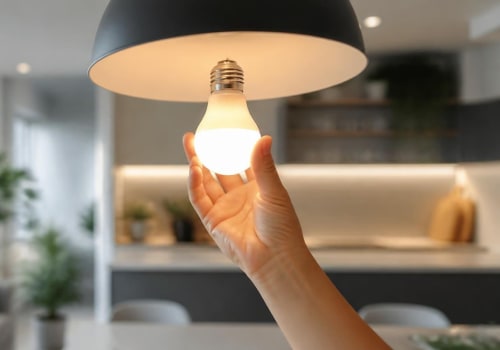
When it comes to selecting the right type of light bulb for your fixture, understanding the various light bulb types available in electrical supplies is essential. Each type of bulb has its own unique characteristics, advantages, and disadvantages that can significantly impact your lighting experience. From energy efficiency to brightness and color temperature, knowing what each bulb offers will help you make an informed decision. Among the most common options are LED bulbs, incandescent bulbs, CFL bulbs, and halogen bulbs. LED bulbs are known for their longevity and energy efficiency, often lasting up to 25,000 hours while consuming significantly less power than traditional options.
In contrast, incandescent bulbs , while providing a warm light and excellent color rendering, have a shorter lifespan and higher energy consumption. On the other hand, CFL bulbs offer a middle ground with better energy efficiency than incandescent but may take time to reach full brightness.Halogen bulbs , a type of incandescent, provide bright light and are often used in track lighting and outdoor fixtures. However, they can generate more heat and have a shorter lifespan compared to LEDs. Understanding these differences not only helps you choose the right bulb for your needs but also allows you to optimize your energy usage and lighting quality.
Assessing Your Fixture Requirements
Choosing the right light bulb for your fixture starts with a clear understanding of your fixture requirements.This involves assessing several key factors, including wattage, bulb size, and base type.
Understanding Wattage
The wattage of a light bulb is crucial as it determines how much energy the bulb consumes and how bright it will be. Most fixtures have a maximum wattage rating, which you can usually find on a label or in the manufacturer's specifications. Exceeding this limit can lead to overheating and potential fire hazards. For example:- Standard bulbs: Typically range from 40W to 100W.
- LED bulbs: Offer equivalent brightness at lower wattages, often between 8W to 20W.
Determining Bulb Size
The size of the bulb is another important consideration.Bulbs come in various shapes and sizes, such as A19, BR30, or PAR38. To ensure a proper fit:
- Check the dimensions of your fixture.
- Consider the shape of the bulb; some fixtures may require specific shapes for aesthetic or functional reasons.
Identifying Base Type
The base type of the bulb must match the socket in your fixture. Common base types include:- Edison (E26): The standard screw base for most household bulbs.
- Candelabra (E12): Smaller base used in decorative fixtures.
- Bipin (GU10): Often used in track lighting and recessed fixtures.
Energy Efficiency and Cost Considerations
When selecting light bulbs from your electrical supplies, understanding energy efficiency is crucial not only for the environment but also for your wallet.Energy-efficient light bulbs, such as LED and CFL, consume significantly less electricity compared to traditional incandescent bulbs. This reduction in energy consumption translates to lower utility bills over time.
Cost of Light Bulbs
- While energy-efficient bulbs may have a higher upfront cost, their longevity and reduced energy usage often make them a more economical choice in the long run.
- For example, an LED bulb can last up to 25,000 hours, whereas an incandescent bulb typically lasts around 1,000 hours. This means fewer replacements and less waste.
Long-Term Savings
To truly appreciate the savings, consider the long-term costs. If you replace a 60-watt incandescent bulb with a 10-watt LED bulb, you save 50 watts per hour.
Over a year, if that bulb is used for 5 hours a day, you could save approximately $15 to $20 on your electricity bill, depending on your local rates.
Energy Ratings
When shopping for light bulbs, pay attention to the energy ratings. Look for the ENERGY STAR label, which indicates that the product meets strict efficiency guidelines set by the U.S. Environmental Protection Agency. These ratings can help you compare different options and choose the most efficient bulb for your needs.In conclusion, prioritizing energy efficiency when selecting light bulbs from your electrical supplies not only contributes to environmental sustainability but also leads to significant cost savings over time.
By investing in energy-efficient options and understanding their long-term benefits, you can make informed decisions that positively impact both your finances and the planet.
Color Temperature and Brightness Explained
When selecting the right light bulb from your electrical supplies, understanding color temperature and brightness levels is crucial for achieving the desired ambiance in your space.Color Temperature
Color temperature is measured in Kelvin (K) and indicates the hue of the light emitted by a bulb. It ranges from warm to cool tones:- Warm Light: Typically between 2700K and 3000K, this light creates a cozy atmosphere, ideal for living rooms and bedrooms.
- Neutral Light: Ranging from 3500K to 4100K, this type offers a balance between warm and cool, suitable for kitchens and workspaces.
- Cool Light: Above 5000K, this light mimics daylight and is perfect for task-oriented areas like offices or garages.
Brightness Levels
The brightness of a light bulb is measured in lumens. The higher the lumens, the brighter the light. Here’s a quick guide to help you choose:- Soft Lighting: 450 lumens (equivalent to a 40-watt incandescent bulb) is great for creating a relaxed environment.
- Moderate Lighting: 800 lumens (equivalent to a 60-watt bulb) works well for general lighting in most rooms.
- Bright Lighting: 1600 lumens (equivalent to a 100-watt bulb) is ideal for spaces requiring high visibility, such as workshops or reading areas.
By understanding these key concepts, you can make informed decisions when shopping for light bulbs in your electrical supplies.
Where to Buy Light Bulbs: Navigating Electrical Supplies Stores
When it comes to purchasing light bulbs, knowing where to shop for electrical supplies can significantly impact your experience and savings. Whether you prefer the convenience of online shopping or the tactile experience of visiting a store, each option has its advantages.Online Shopping for Light Bulbs
Shopping for light bulbs online offers a plethora of options at your fingertips. Here are some benefits:- Variety: Online retailers often have a wider selection of brands and types of light bulbs than local stores.
- Price Comparison: It’s easier to compare prices across different websites, helping you find the best deals.
- Convenience: You can shop from the comfort of your home and have your purchases delivered directly to your door.
Shopping at Electrical Supplies Stores
If you prefer to see products in person, visiting a local electrical supplies store can be beneficial. Here’s why:- Immediate Availability: You can take your light bulbs home immediately without waiting for shipping.
- Expert Advice: Store staff can provide valuable insights and recommendations based on your specific needs.
- Support Local Businesses: Purchasing from local stores helps support your community and economy.
By navigating both online and offline options effectively, you can make informed decisions that suit your lighting needs and budget.
Common FAQs About Choosing Light Bulbs
When it comes to selecting the right light bulb for your fixture, several common questions arise. Here are some frequently asked questions that can help guide your decision-making process:What types of light bulbs are available?
- Incandescent bulbs: Traditional and widely used, these bulbs provide warm light but are less energy-efficient.
- LED bulbs: Known for their longevity and energy efficiency, LEDs are available in various colors and brightness levels.
- CFL bulbs: Compact fluorescent lamps are more energy-efficient than incandescent bulbs but may take time to reach full brightness.
- Halogen bulbs: A type of incandescent bulb that is more efficient and has a longer lifespan.
How do I determine the right wattage?
To choose the correct wattage, check the fixture's specifications. Most fixtures will indicate the maximum wattage allowed. If you're switching to LED or CFL, remember that they use less wattage to produce the same amount of light as incandescent bulbs.For example, a 10-watt LED can replace a 60-watt incandescent bulb.
What color temperature should I choose?
The color temperature of a bulb affects the ambiance of a room. Measured in Kelvins (K), here are some common ranges:- Warm white (2700K-3000K): Ideal for living spaces and bedrooms, creating a cozy atmosphere.
- Cool white (3500K-4100K): Suitable for kitchens and workspaces, providing a bright and energetic feel.
- Daylight (5000K-6500K): Best for task lighting or areas where you need clarity, like reading nooks.
Are there any special considerations for outdoor fixtures?
Yes! When choosing light bulbs for outdoor fixtures, ensure they are rated for outdoor use. Look for bulbs that are weather-resistant and can withstand temperature fluctuations. Additionally, consider using motion-sensor or dusk-to-dawn lights for added convenience and security.By addressing these common questions about light bulbs, you can make informed decisions that enhance your space while maximizing energy efficiency.Always refer to your local electrical supplies store for specific recommendations tailored to your needs.
Conclusion: Making the Right Choice for Your Lighting Needs
Choosing the right type of light bulb for your fixtures is crucial for achieving optimal lighting and energy efficiency in your home or workspace. Throughout this article, we have explored various factors to consider when selecting light bulbs from electrical supplies, including wattage, lumens, color temperature, and bulb type.To summarize:- Wattage indicates the energy consumption of the bulb, while lumens measure the brightness. It's essential to find a balance that meets your lighting needs without wasting energy.
- Color temperature affects the ambiance of a space. Warmer tones (2700K-3000K) create a cozy atmosphere, while cooler tones (4000K-5000K) are ideal for task-oriented areas.
- The type of bulb—whether incandescent, LED, CFL, or halogen—impacts both energy efficiency and longevity.
LEDs are often the best choice for their durability and low energy use.