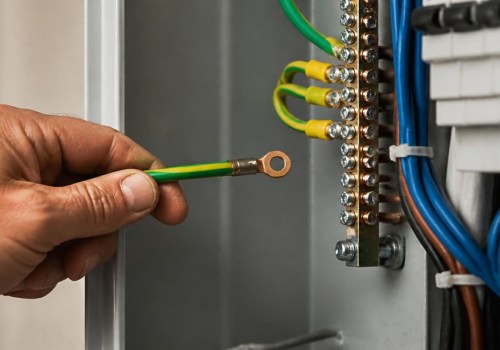
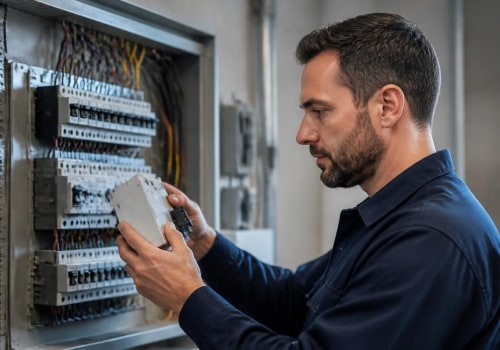
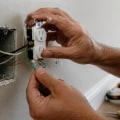
Circuit breakers are essential components of modern electrical systems, acting as safety devices that protect your home and appliances from overloads and short circuits. When the electrical current exceeds a certain threshold, the circuit breaker automatically interrupts the flow of electricity, preventing potential hazards such as fires or equipment damage. Understanding how circuit breakers function is crucial for anyone looking to troubleshoot electrical issues effectively. At their core, circuit breakers operate on a simple principle: they detect excess current and respond by tripping, which means they switch off the electrical circuit. This mechanism not only safeguards your electrical system but also provides a convenient way to reset the power supply once the issue has been resolved.
Familiarity with the different types of circuit breakers—such as standard, GFCI (Ground Fault Circuit Interrupter), and AFCI (Arc Fault Circuit Interrupter)—can further enhance your troubleshooting skills. When faced with a tripped circuit breaker, having the right electrical supplies on hand can make all the difference. Basic tools like a multimeter, insulated screwdrivers, and wire strippers are invaluable for diagnosing problems safely. Additionally, understanding the layout of your electrical panel and knowing how to identify which breaker corresponds to specific circuits will streamline your troubleshooting process. By grasping these foundational concepts, you will be better equipped to tackle any electrical challenges that arise in your home.
Common Causes of Tripped Circuit Breakers
Understanding the common causes of tripped circuit breakers is essential for effective troubleshooting.When a circuit breaker trips, it is typically a protective measure against potential hazards. Here are some of the most frequent reasons:
- Electrical Overload: This occurs when too many devices are drawing power from a single circuit. Each circuit has a specific amperage rating, and exceeding this limit can cause the breaker to trip. For instance, if you have multiple high-wattage appliances running simultaneously, such as a microwave and a toaster, it can lead to an overload.
- Short Circuits: A short circuit happens when a hot wire touches a neutral wire or another conductive material, creating an unintended path for electricity.
This can generate excessive current flow, causing the breaker to trip almost immediately. Common causes of short circuits include damaged wiring or faulty appliances.
- Ground Faults: Similar to short circuits, ground faults occur when a hot wire comes into contact with the ground or a grounded part of an electrical system. This is particularly dangerous and can lead to electrical shocks. Ground fault circuit interrupters (GFCIs) are designed to prevent this by tripping the circuit when they detect an imbalance in electrical flow.
If you suspect an overload, consider redistributing your devices across different circuits. For short circuits or ground faults, it may be necessary to check your wiring or consult with a professional electrician to ensure safety and compliance with local codes. By understanding these common causes, you can take proactive steps to prevent future trips and maintain a safe electrical environment in your home or workspace.
Essential Electrical Supplies for Troubleshooting
Troubleshooting a tripped circuit breaker requires the right electrical supplies to ensure both effectiveness and safety. Below is a list of essential tools and equipment that will help you diagnose and resolve circuit breaker issues.- Multimeter: A multimeter is an indispensable tool for measuring voltage, current, and resistance. It helps you determine whether the circuit is receiving power and can identify faulty components.
- Screwdrivers: A set of insulated screwdrivers is crucial for safely accessing the circuit breaker panel.
Insulated tools protect you from electrical shock while working on live circuits.
- Pliers: Needle-nose pliers and wire cutters are useful for manipulating wires and making necessary adjustments. Ensure they are also insulated to enhance safety.
- Flashlight: A reliable flashlight is essential for illuminating dark areas, especially when inspecting circuit breakers in basements or utility rooms.
- Safety Goggles: Protect your eyes from debris or sparks by wearing safety goggles while working on electrical systems.
- Rubber Gloves: Heavy-duty rubber gloves provide an extra layer of protection against electrical shock. Always wear them when handling electrical components.
Remember, safety should always be your top priority when troubleshooting electrical issues. Ensure that you turn off the main power supply before beginning any work, and use your electrical supplies wisely to maintain a safe working environment.
Step-by-Step Guide to Troubleshooting a Tripped Circuit Breaker
When dealing with a tripped circuit breaker, it’s essential to approach the situation methodically. Here’s a step-by-step guide to help you troubleshoot effectively using basic electrical supplies.- Ensure Safety First: Before you begin, make sure to wear insulated gloves and safety goggles. Turn off any devices connected to the circuit to prevent further issues.
- Locate the Circuit Breaker Panel: Find your circuit breaker panel, usually located in basements, garages, or utility rooms.
Open the panel door to access the breakers.
- Identify the Tripped Breaker: Look for a breaker that is in the 'off' position or is not aligned with the others. This indicates it has tripped.
- Inspect for Overloads: Check for any appliances or devices that may have caused the overload. Unplug them before resetting the breaker.
- Reset the Circuit Breaker: Firmly push the tripped breaker to the 'off' position and then back to 'on'. You should hear a click indicating it has reset.
- Test the Circuit: Plug in your devices one at a time to see if the breaker holds.
If it trips again, there may be a more significant issue at play.
- Use Electrical Supplies for Further Diagnosis: If the breaker continues to trip, consider using a multimeter to check for shorts or faulty wiring. Ensure you have basic electrical supplies like wire strippers and electrical tape on hand for any necessary repairs.
When to Call a Professional Electrician
While troubleshooting a tripped circuit breaker can often be a straightforward task, there are certain situations where it is crucial to call a professional electrician. Recognizing these scenarios can prevent potential hazards and ensure the safety of your home.Signs of Serious Electrical Issues
If you notice any of the following signs, it’s time to seek professional help:- Frequent Tripping: If your circuit breaker trips repeatedly, it may indicate an underlying issue that requires expert diagnosis.
- Burning Smell: A burning odor near outlets or electrical panels is a serious warning sign of overheating wires or components.
- Flickering Lights: Lights that flicker or dim unexpectedly can signal overloaded circuits or faulty wiring.
- Buzzing Sounds: Unusual sounds coming from outlets or the breaker box can indicate electrical arcing or other dangerous conditions.
Professional Help for Circuit Problems
Attempting to fix complex electrical issues without proper knowledge and tools can lead to further damage or personal injury.A licensed electrician has the necessary training and electrical supplies to safely address problems such as:
- Wiring Issues: Damaged or outdated wiring should be handled by professionals to ensure compliance with safety standards.
- Circuit Overloads: An electrician can assess your electrical load and recommend upgrades if necessary.
- Code Violations: If your home has outdated electrical systems, a professional can bring them up to code, ensuring safety and functionality.
Frequently Asked Questions About Circuit Breakers and Troubleshooting
When dealing with circuit breakers, many homeowners have questions about their functionality and troubleshooting methods. Here are some frequently asked questions that can help clarify common concerns.What causes a circuit breaker to trip?
A circuit breaker may trip due to several reasons, including:- Overload: Too many devices drawing power from the same circuit can exceed its capacity.
- Short Circuit: This occurs when a hot wire touches a neutral wire, causing a surge of electricity.
- Ground Fault: Similar to a short circuit, this happens when a hot wire touches the ground or a grounded part of the system.
How can I troubleshoot a tripped circuit breaker?
To troubleshoot a tripped circuit breaker, follow these steps:- Identify the Problem: Check which devices are connected to the tripped breaker and unplug them.
- Reset the Breaker: Flip the breaker switch to the OFF position and then back to ON.
- Monitor for Recurrence: If it trips again, there may be an underlying issue that requires further investigation.
When should I call an electrician?
If you find that your circuit breaker continues to trip after following troubleshooting steps, it’s advisable to consult a professional. Persistent issues may indicate more serious problems such as:- Faulty wiring
- Defective circuit breakers
- Inadequate electrical supply for your needs
If you’re unsure or uncomfortable with electrical work, don’t hesitate to reach out to an experienced electrician.
Conclusion: Key Takeaways for Safe Troubleshooting
In conclusion, troubleshooting a tripped circuit breaker is a task that requires careful attention to safety and the proper use of electrical supplies. By following the steps outlined in this article, you can effectively identify the cause of the trip and take appropriate action. Here are some key takeaways to remember:- Always prioritize safety: Before attempting any troubleshooting, ensure that you are wearing appropriate personal protective equipment (PPE) and that you understand the risks involved with working on electrical systems.
- Use the right tools: Having the correct electrical supplies, such as a multimeter, insulated tools, and circuit testers, is essential for diagnosing issues safely and accurately.
- Identify the cause: Take time to investigate what caused the breaker to trip. Common culprits include overloaded circuits, short circuits, or ground faults. Understanding these issues can help prevent future occurrences.
- Reset with caution: If you determine that it is safe to reset the breaker, do so carefully.
If it trips again immediately, do not attempt to reset it repeatedly; this indicates a persistent problem that needs professional attention.
- Consult a professional: If you are unsure about any step in the troubleshooting process or if the problem persists, it is always best to consult a licensed electrician. They have the expertise and tools necessary to handle complex electrical issues safely.