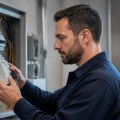
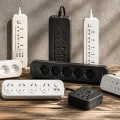
In any commercial setting, the use of electrical supplies is a fundamental aspect that underpins daily operations. However, with the convenience of electricity comes the responsibility to adhere to stringent safety regulations. These regulations are designed not only to protect the integrity of electrical systems but also to ensure the safety of employees, customers, and the overall environment. Understanding these regulations is crucial for business owners and facility managers alike, as non-compliance can lead to severe consequences, including fines, legal liabilities, and even catastrophic accidents. The importance of adhering to safety regulations cannot be overstated.
Inadequate knowledge or neglect of these guidelines can result in electrical hazards such as shocks, fires, and equipment failures. Therefore, it is essential for businesses to stay informed about the latest standards set forth by organizations such as the National Fire Protection Association (NFPA) and the Occupational Safety and Health Administration (OSHA). These bodies provide comprehensive frameworks that govern the safe use of electrical supplies in commercial environments. Moreover, implementing these safety regulations not only protects individuals but also enhances operational efficiency. By ensuring that all electrical installations and equipment meet safety standards, businesses can minimize downtime caused by accidents or equipment malfunctions.
This proactive approach fosters a culture of safety that can lead to increased employee morale and productivity. As we delve deeper into this topic, we will explore specific regulations and best practices that every commercial entity should adopt to safeguard their operations and personnel.
Overview of Electrical Supplies Used in Commercial Settings
In commercial settings, the use of electrical supplies is essential for the operation of various equipment and systems. Understanding the types of electrical supplies commonly utilized can help businesses ensure compliance with safety regulations and maintain a safe working environment.- Wiring and Cabling: This includes power cables, data cables, and control wiring. Proper selection and installation are crucial to prevent overheating and electrical failures.
- Switchgear: Switchgear is used to control, protect, and isolate electrical equipment.
It is vital for managing electrical loads safely.
- Transformers: These devices are used to step up or step down voltage levels. Ensuring they are correctly rated for the application is key to preventing electrical hazards.
- Lighting Fixtures: Commercial lighting systems must comply with energy efficiency standards while providing adequate illumination for safety and productivity.
- Outlets and Receptacles: The choice of outlets, including GFCI (Ground Fault Circuit Interrupter) outlets, is critical in areas where water is present to prevent electrical shocks.
- Emergency Power Systems: Backup generators and uninterruptible power supplies (UPS) are essential for maintaining operations during power outages.
Key Safety Regulations Governing Electrical Supplies
In commercial settings, adhering to key safety regulations is crucial for the safe use of electrical supplies.These regulations are designed to protect both employees and the infrastructure of the business. The primary framework governing electrical safety in the United States is the National Electrical Code (NEC), which sets forth standards for safe installation and maintenance of electrical systems.The NEC is updated every three years, reflecting advancements in technology and safety practices. Compliance with these codes is not just a legal obligation; it also minimizes the risk of electrical hazards such as fires, shocks, and equipment failures. In addition to the NEC, local jurisdictions may have their own amendments and regulations that must be followed.
Key Compliance Standards
- OSHA Regulations: The Occupational Safety and Health Administration (OSHA) enforces standards that ensure safe working conditions.
Employers must provide training on electrical safety and ensure that all electrical supplies meet OSHA requirements.
- NFPA Standards: The National Fire Protection Association (NFPA) provides guidelines that complement the NEC, focusing on fire prevention related to electrical installations.
- Local Building Codes: Many states and municipalities have specific building codes that address electrical installations. It’s essential for businesses to consult these local codes to ensure full compliance.
By following the NEC, OSHA standards, NFPA guidelines, and local building codes, businesses can create a safer work environment while minimizing risks associated with electrical hazards.
Understanding the National Electrical Code (NEC)
The National Electrical Code (NEC) is a crucial set of guidelines that governs the safe installation of electrical wiring and equipment in the United States. Established by the National Fire Protection Association (NFPA), the NEC aims to protect people and property from electrical hazards. Understanding these regulations is essential for anyone involved in the use of electrical supplies in a commercial setting.The NEC is updated every three years, reflecting advancements in technology and safety practices. Compliance with these guidelines is not just a legal requirement; it also serves as a best practice for ensuring safety in the workplace.Here are some key aspects of the NEC that impact commercial electrical safety:
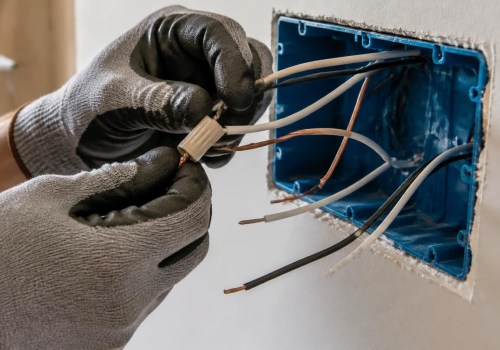
- Wiring Methods: The NEC specifies approved wiring methods and materials to minimize risks such as short circuits and electrical fires.
- Grounding Requirements: Proper grounding is essential for preventing electrical shock. The NEC outlines specific grounding techniques that must be followed.
- Load Calculations: The code requires accurate load calculations to ensure that electrical systems can handle the demand without overheating or failing.
- Equipment Installation: Guidelines for the installation of electrical equipment, including circuit breakers and transformers, are detailed in the NEC to ensure they function safely and effectively.
Common Safety Hazards Associated with Electrical Supplies
In commercial settings, the use of electrical supplies can pose various safety hazards that must be recognized and mitigated to ensure a safe working environment.Understanding these hazards is crucial for preventing accidents and injuries. One of the most common safety risks associated with electrical supplies is the potential for electrical shock. This can occur when a person comes into contact with live wires or faulty equipment. The severity of an electrical shock can range from minor discomfort to fatal injuries, depending on the voltage and duration of exposure. Another significant hazard is overloading circuits. In commercial settings, it is common to use multiple devices simultaneously, which can lead to circuit overloads.
This not only increases the risk of electrical fires but can also damage sensitive equipment.Common Safety Hazards Include:
- Exposed Wiring: Damaged or frayed wires can create a direct path for electricity, posing a serious risk of shock or fire.
- Poorly Maintained Equipment: Regular maintenance is essential; malfunctioning equipment can lead to unexpected failures and hazards.
- Lack of Grounding: Proper grounding of electrical systems is vital to prevent electrical shock and ensure safe operation.
- Inadequate Training: Employees must be trained in the safe use of electrical supplies, including recognizing hazards and following safety protocols.
Best Practices for Ensuring Electrical Safety in Commercial Settings
Ensuring electrical safety in commercial settings is crucial for protecting both employees and property. Implementing best practices can significantly reduce the risk of electrical hazards. Here are some essential strategies:- Regular Maintenance: Schedule routine maintenance for all electrical supplies and equipment.
This includes checking for frayed wires, loose connections, and signs of wear. Regular maintenance helps identify potential issues before they become serious hazards.
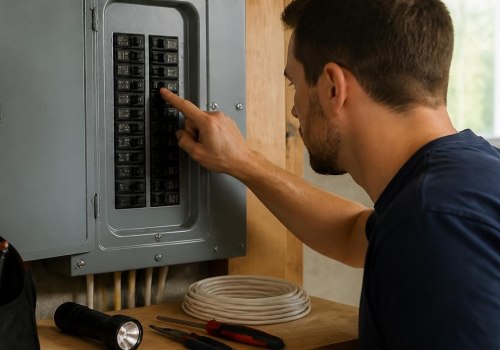
- Frequent Inspections: Conduct thorough inspections of electrical systems at least once a year. This should include testing circuit breakers, inspecting outlets, and ensuring that all electrical supplies comply with local codes and regulations.
- Employee Training: Provide comprehensive training for employees on the safe use of electrical supplies. This should cover how to recognize potential hazards, proper handling techniques, and emergency procedures in case of an electrical incident.
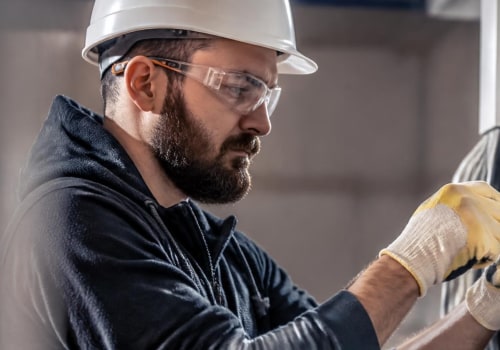
- Use of Personal Protective Equipment (PPE): Ensure that employees have access to appropriate PPE, such as insulated gloves and safety goggles, when working with or near electrical supplies.
This equipment can provide an additional layer of protection against electrical shocks.
- Clear Signage: Install clear signage around areas where electrical supplies are used or stored. Warning signs can alert employees to potential dangers and remind them to follow safety protocols.
Frequently Asked Questions About Electrical Safety Regulations
When it comes to electrical supplies in a commercial setting, understanding safety regulations is crucial for ensuring a safe working environment. Here are some frequently asked questions that can help clarify common concerns:- What are the main regulations governing electrical safety?
The National Electrical Code (NEC) is the primary standard for electrical installations in the United States.It outlines the minimum requirements for safe electrical design, installation, and inspection.
- Who is responsible for ensuring compliance with electrical safety regulations?
Employers are responsible for ensuring that all electrical supplies and installations comply with local, state, and federal regulations. This includes regular inspections and maintenance of electrical systems. - What should I do if I suspect an electrical hazard?
If you suspect an electrical hazard, it is essential to report it immediately to your supervisor or the designated safety officer. Do not attempt to fix the issue yourself unless you are qualified to do so. - Are there specific training requirements for employees working with electrical supplies?
Yes, employees who work with or near electrical supplies must receive proper training on safety practices, hazard recognition, and emergency procedures. This training should be documented and updated regularly. - What are the penalties for non-compliance with electrical safety regulations?
Non-compliance can result in significant penalties, including fines from regulatory agencies, increased insurance premiums, and potential legal liability in case of accidents.
Conclusion: The Importance of Adhering to Electrical Safety Regulations
In conclusion, adhering to electrical safety regulations in commercial settings is not just a legal obligation but a critical component of workplace safety and operational efficiency.Throughout this article, we have explored various aspects of electrical supplies, including their proper usage, maintenance, and the potential hazards associated with non-compliance.Understanding and implementing these regulations can significantly reduce the risk of electrical accidents, which can lead to severe injuries, property damage, and even fatalities. The following key points summarize the importance of compliance:
- Legal Compliance: Following local, state, and federal regulations ensures that businesses operate within the law, avoiding hefty fines and legal repercussions.
- Workplace Safety: Proper adherence to safety standards protects employees from electrical hazards such as shocks, burns, and fires.
- Equipment Longevity: Regular maintenance and compliance with safety protocols extend the lifespan of electrical supplies and equipment, leading to cost savings in the long run.
- Insurance Benefits: Many insurance policies require compliance with safety regulations; failure to adhere can result in denied claims in case of an incident.