When embarking on a large-scale project, understanding your project requirements is paramount. This involves a thorough assessment of the specific needs that will dictate the type and quantity of electrical supplies necessary for successful completion. Each project is unique, and factors such as the scale of operations, the complexity of electrical systems, and the intended use of the space must be carefully evaluated. For instance, a commercial building will have different electrical demands compared to a residential development, necessitating distinct approaches to supply selection. One critical aspect to consider is performing accurate load calculations.
This process helps determine the total electrical load that will be required, ensuring that the selected supplies can handle the demand without risk of failure. Additionally, compliance with local codes and regulations cannot be overlooked. Each jurisdiction has specific requirements that govern electrical installations, and adhering to these standards is essential not only for safety but also for avoiding costly delays or penalties. Furthermore, engaging with experienced professionals during this phase can provide invaluable insights into best practices and potential pitfalls. They can assist in identifying the right electrical supplies, from wiring and circuit breakers to lighting fixtures and safety equipment, tailored to your project's unique specifications.
By taking the time to thoroughly understand your project requirements, you set a solid foundation for a successful electrical installation that meets both performance expectations and regulatory standards.
Types of Electrical Supplies Needed
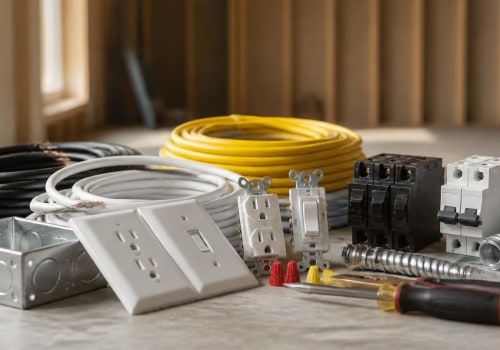
When embarking on a large-scale electrical project, understanding the types of electrical supplies required is crucial for ensuring safety, efficiency, and compliance with regulations. Below are some essential components that should be considered:- Wiring: The backbone of any electrical system, wiring must be chosen based on the load requirements and environmental conditions. Common types include copper and aluminum wiring, with copper being more conductive and durable.
- Circuit Breakers: These devices protect electrical circuits from overloads and short circuits. Selecting the right circuit breakers is vital for safeguarding your project against potential hazards.
- Switches: Essential for controlling the flow of electricity, switches come in various types such as toggle, dimmer, and smart switches.
Choosing the appropriate switch type can enhance functionality and user experience.
- Fixtures: Lighting fixtures not only provide illumination but also contribute to the aesthetic appeal of a space. Consider energy-efficient options like LED fixtures, which offer longevity and lower energy consumption.
- Outlets and Receptacles: These components are necessary for providing power access throughout the project. Ensure that you select outlets that meet the specific needs of your equipment and appliances.
By carefully selecting the right electrical supplies, you can ensure that your large-scale project runs smoothly and efficiently.
Quality vs. Cost: Finding the Right Balance
When embarking on a large-scale project, the decision to purchase electrical supplies often comes down to a critical balance between quality and cost. While it may be tempting to opt for the cheapest options available, this approach can lead to significant long-term issues that outweigh any initial savings.Understanding Quality:
High-quality electrical supplies are essential for ensuring safety, reliability, and longevity in your project. Poor-quality materials can lead to frequent failures, increased maintenance costs, and even hazardous situations.
For instance, using subpar wiring can result in overheating and potential fire risks. Therefore, investing in reputable brands and certified products is crucial.
Cost Considerations:
While quality is paramount, budget constraints are a reality for most large-scale projects. It’s important to conduct a thorough cost analysis that includes not just the upfront price of electrical supplies, but also the long-term implications of your choices. Consider factors such as:
- Durability: Higher-quality products often last longer, reducing the need for replacements.
- Warranty: Products with robust warranties can save money in the long run if issues arise.
- Energy Efficiency: Investing in energy-efficient supplies can lower operational costs over time.
Budget Management:
To effectively manage your budget while ensuring quality, consider the following strategies:
- Prioritize Needs: Identify which electrical supplies are critical for safety and performance and allocate more budget towards those items.
- Bulk Purchasing: Buying in bulk can often lead to discounts without compromising on quality.
- Research and Compare: Take the time to compare different suppliers and products.
Look for reviews and ratings that highlight both quality and value.
Supplier Selection: What to Look For
When embarking on a large-scale project, the selection of electrical supplies is crucial, and choosing the right supplier can significantly impact the success of your endeavor. Here are some key factors to consider when evaluating potential suppliers:- Reputation: A supplier's reputation in the industry can provide insights into their reliability and quality of products. Look for suppliers with positive reviews and testimonials from previous clients.
Online platforms and industry forums can be valuable resources for gauging a supplier's standing.
- Experience: Suppliers with extensive experience in the electrical supply sector are often more adept at understanding the specific needs of large-scale projects. They are likely to have established relationships with manufacturers, ensuring access to high-quality materials.
- Customer Service: Exceptional customer service is essential when dealing with large orders. A supplier should be responsive to inquiries, provide clear communication, and offer support throughout the purchasing process. This can help mitigate issues that may arise during the project.
- Delivery Times: Timely delivery of electrical supplies is critical for maintaining project schedules.
Assess a supplier's ability to meet deadlines and their logistics capabilities. Delays in receiving materials can lead to costly setbacks.
- Product Range: A diverse product range allows for flexibility in sourcing all necessary components from a single supplier, simplifying procurement processes. Ensure that the supplier offers a comprehensive selection of electrical supplies, including cables, connectors, and safety equipment.
Compliance with Safety Standards and Regulations
When embarking on a large-scale project, ensuring compliance with electrical safety standards and regulations is paramount. Adhering to these guidelines not only protects the safety of workers and the public but also mitigates the risk of legal repercussions that can arise from non-compliance.Electrical safety standards
are established by various organizations, including the National Fire Protection Association (NFPA) and the Institute of Electrical and Electronics Engineers (IEEE).These standards dictate how electrical systems should be designed, installed, and maintained to prevent hazards such as electrical fires, shocks, and equipment failures.Before purchasing electrical supplies, it is crucial to familiarize yourself with the relevant compliance regulations. This includes understanding local codes that may vary by state or municipality. Local codes often incorporate national standards but may also include additional requirements specific to the region. Ignoring these can lead to costly fines and project delays.
- Research Local Codes: Always check with local building authorities to ensure that your project meets all necessary codes.
- Verify Product Certifications: Look for products that have been tested and certified by recognized organizations.
This ensures they meet safety standards.
- Consult Professionals: Engaging with licensed electricians or electrical engineers can provide insights into compliance requirements specific to your project.
Sustainability Considerations in Electrical Supply Purchases
When embarking on a large-scale project, considering sustainable electrical supplies is crucial for minimizing environmental impact and promoting energy efficiency. The selection of eco-friendly options not only aligns with modern sustainability goals but can also lead to long-term cost savings.Eco-friendly options
in electrical supplies include products made from recycled materials, as well as those that are designed to be energy-efficient. For instance, choosing LED lighting over traditional incandescent bulbs can significantly reduce energy consumption.LEDs use up to 75% less energy and have a longer lifespan, which translates to fewer replacements and less waste.Another important factor is the energy efficiency rating of electrical equipment. Look for products that meet or exceed Energy Star ratings or similar certifications. These ratings indicate that the products have been tested for their energy consumption and performance, ensuring that they contribute positively to your project's sustainability goals.
- Consider renewable energy sources: Incorporating solar panels or wind turbines can further enhance the sustainability of your electrical supply choices.
- Opt for low-impact materials: When selecting wiring and conduits, look for options that are free from harmful chemicals and have a lower carbon footprint.
- Evaluate lifecycle impacts: Assess the entire lifecycle of electrical supplies, from production to disposal, to ensure that they align with your sustainability objectives.
Common Mistakes to Avoid When Purchasing Electrical Supplies
When embarking on a large-scale project, purchasing electrical supplies can be a daunting task.However, avoiding common mistakes can significantly streamline the process and prevent costly delays. Here are some pitfalls to watch out for:
- Neglecting to Assess Project Requirements: One of the most frequent mistakes is failing to thoroughly assess the specific needs of the project. This includes understanding the scope, load requirements, and compliance with local codes. A detailed assessment ensures that you procure the right materials and quantities.
- Choosing Cost Over Quality: While it may be tempting to opt for cheaper options, compromising on quality can lead to safety hazards and increased maintenance costs in the long run.
Always prioritize reputable brands and products that meet industry standards.
- Inadequate Supplier Research: Not all suppliers are created equal. Failing to research potential vendors can result in delays due to unreliable delivery schedules or subpar products. Look for suppliers with a proven track record in providing electrical supplies for large projects.
- Ignoring Lead Times: Many project managers overlook the importance of lead times when ordering materials. Delays in receiving essential supplies can halt progress and lead to costly project overruns.
Always factor in lead times when planning your procurement schedule.
- Overlooking Future Needs: It’s crucial to consider not just immediate requirements but also future expansions or modifications. Purchasing extra supplies or versatile components can save time and money later on.
FAQs About Purchasing Electrical Supplies for Large-Scale Projects
When embarking on a large-scale project, understanding the nuances of purchasing electrical supplies is crucial. Here are some frequently asked questions that can guide you through the process:What types of electrical supplies do I need for a large-scale project?
The types of electrical supplies required can vary significantly based on the nature of your project.Common supplies include:
- Cables and Wires: Ensure you select the appropriate gauge and type for your specific application.
- Switches and Outlets: Choose durable options that meet safety standards.
- Lighting Fixtures: Consider energy-efficient options to reduce long-term costs.
- Breakers and Panels: Ensure they are rated for the load you expect to handle.
How do I ensure quality in my electrical supplies?
Quality is paramount when selecting electrical supplies. Here are some tips:- Research Brands: Opt for reputable manufacturers known for their reliability.
- Check Certifications: Look for products that meet industry standards, such as UL or CE certifications.
- Read Reviews: Customer feedback can provide insights into product performance and durability.
What should I consider regarding budget?
A well-planned budget is essential. Consider the following:- Initial Costs vs. Long-Term Savings: Sometimes, investing in higher-quality supplies can lead to lower maintenance costs.
- Bulk Purchasing: Buying in bulk can often reduce costs, but ensure you have adequate storage and usage plans.
- Contingency Funds: Always set aside a portion of your budget for unexpected expenses related to electrical supplies.