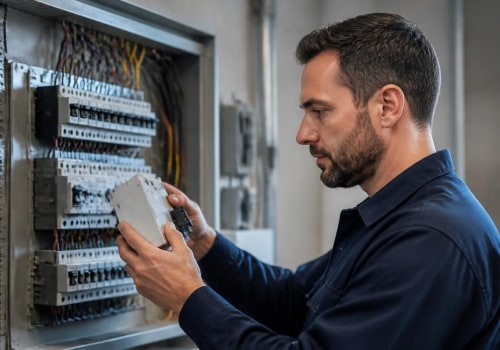
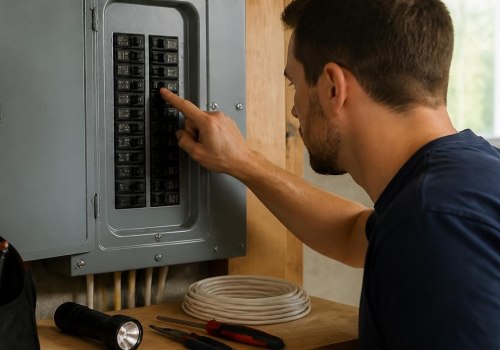
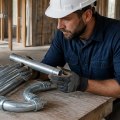
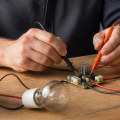
When embarking on any electrical project, understanding electrical supplies is crucial. These supplies encompass a wide range of components and materials that are essential for both residential and commercial electrical work. From wires and cables to switches and circuit breakers, each item plays a vital role in ensuring that electrical systems function safely and efficiently. Without the right supplies, even the most skilled electrician would struggle to complete a job effectively. The types of electrical supplies available are diverse, catering to various needs and applications.
For instance, you might encounter conductors, which are materials that allow electricity to flow, or insulators, which prevent unwanted flow of electricity. Additionally, there are connectors, outlets, and protective devices that all contribute to the overall safety and functionality of electrical installations. Understanding these categories not only helps in selecting the right materials but also enhances the quality of work performed. The importance of electrical supplies cannot be overstated. They are the backbone of any electrical system, ensuring that power is delivered safely and reliably.
Whether you are a DIY enthusiast or a professional electrician, having a solid grasp of what these supplies entail will empower you to make informed decisions during your projects. This foundational knowledge sets the stage for exploring the essential tools needed to work with these supplies effectively.
Basic Hand Tools for Electrical Work
When it comes to working with electrical supplies, having the right hand tools is crucial for both safety and efficiency. Below is a list of essential hand tools that every electrician should have in their toolkit.- Screwdrivers: A set of screwdrivers, including both flathead and Phillips, is vital for securing and removing electrical components. Look for insulated screwdrivers to protect against electrical shock.
- Pliers: Various types of pliers, such as needle-nose, lineman's, and wire-cutting pliers, are essential for gripping, twisting, and cutting wires.
Insulated pliers are recommended for added safety.
- Wire Strippers: These tools are specifically designed to remove insulation from electrical wires without damaging the conductor. A good pair of wire strippers will allow you to prepare wires quickly and efficiently.
- Cable Cutters: For larger cables, cable cutters provide the necessary leverage to cut through thick insulation and conductors. This tool is especially useful when working with heavy-duty electrical supplies.
- Tape Measure: Accurate measurements are critical in electrical work. A sturdy tape measure helps ensure that installations are precise and comply with safety standards.
- Voltage Tester: This tool is essential for checking whether a circuit is live before beginning any work.
It helps prevent accidents by ensuring that you only work on de-energized circuits.
Power Tools for Electrical Projects
When it comes to electrical supplies, having the right power tools can significantly enhance your efficiency and effectiveness in completing electrical projects. Below is a list of essential power tools that every electrician should consider:- Drills: A high-quality drill is indispensable for making holes in various materials, whether for installing outlets or running conduit. Cordless drills offer the convenience of mobility, while corded models provide consistent power for heavy-duty tasks.
- Saws: Electric saws, such as reciprocating saws and circular saws, are crucial for cutting through wood, metal, and plastic.
These tools allow for precise cuts that are essential when working with electrical boxes and panels.
- Wire Strippers: While not a power tool in the traditional sense, electric wire strippers can save time and ensure clean cuts when preparing wires for connections. They are designed to handle various wire gauges efficiently.
- Impact Drivers: These tools are perfect for driving screws into tough materials quickly. An impact driver can make securing electrical fixtures much easier and faster than using a standard drill.
- Multimeters: Essential for troubleshooting electrical issues, multimeters measure voltage, current, and resistance. A digital multimeter can provide accurate readings that help diagnose problems effectively.
Investing in quality tools will pay off in the long run, making your electrical projects more manageable and successful.
Safety Equipment and Precautions
When working with electrical supplies, prioritizing safety is paramount. The nature of electrical work involves inherent risks, and having the right safety equipment can significantly reduce the likelihood of accidents and injuries.Essential Safety Equipment- Insulated Gloves: These gloves are designed to protect against electric shock. They should be rated for the voltage levels you are working with and must be free from any cuts or damage.
- Safety Goggles: Protect your eyes from flying debris and potential sparks. Safety goggles should fit snugly and provide a clear view while shielding your eyes from hazards.
- Hard Hats: If you are working in an environment where there is a risk of falling objects, wearing a hard hat is essential to protect your head.
- Non-conductive Footwear: Shoes made from rubber or other non-conductive materials help prevent electrical shocks when working on live circuits.
- Face Shields: In addition to goggles, face shields provide extra protection against splashes and flying particles during electrical work.
- Always De-energize Circuits: Before starting any work, ensure that the circuit is turned off and properly locked out to prevent accidental re-energization.
- Use Tools with Insulated Handles: Tools designed for electrical work should have insulated handles to minimize the risk of shock.
- Maintain a Clean Work Area: Keeping your workspace organized reduces the chances of tripping or accidentally contacting live wires.
By equipping yourself with the right electrical safety gear and adhering to best practices, you can create a safer working environment and protect yourself from potential hazards.
Testing and Measuring Tools
When working with electrical supplies, having the right testing and measuring tools is crucial for ensuring safety and accuracy. These tools help electricians diagnose issues, verify electrical connections, and ensure that systems are functioning correctly.Multimeters
A multimeter is an essential tool for any electrician. It can measure voltage, current, and resistance, making it versatile for various tasks. With a multimeter, you can:- Check voltage levels in circuits to ensure they are within safe operating ranges.
- Measure current to determine if a circuit is overloaded.
- Test resistance to identify faulty components or connections.
Voltage Testers
Voltage testers, also known as voltage detectors, are another critical tool for electricians.They are designed to quickly check whether a circuit is live or not. Here are some key features:
- Non-contact voltage testers: These devices can detect voltage without direct contact with wires, enhancing safety.
- Contact voltage testers: These require direct contact with the electrical supply but provide more precise readings.
Importance of Testing Equipment
The significance of having reliable testing equipment cannot be overstated. Proper testing tools not only enhance the efficiency of electrical work but also play a vital role in:- Preventing electrical hazards: By ensuring that circuits are de-energized before work begins.
- Maintaining compliance: Meeting safety standards and regulations in electrical installations.
- Extending equipment lifespan: Regular testing can identify issues before they lead to costly repairs or replacements.
Organizational Tools for Electrical Supplies
Keeping your electrical supplies organized is crucial for efficiency and safety in any workspace.A well-structured organization system not only saves time but also minimizes the risk of losing essential tools and materials. Here are some effective storage solutions and tips to help you maintain an orderly environment.
- Toolboxes and Tool Chests: Invest in high-quality toolboxes or tool chests that can accommodate various sizes of tools and supplies. Look for options with multiple compartments to separate different types of electrical supplies, such as wires, connectors, and hand tools.
- Clear Storage Bins: Use clear plastic bins to store smaller items like screws, nuts, and bolts. Label each bin clearly to ensure you can quickly find what you need without rummaging through multiple containers.
- Wall-Mounted Organizers: Consider installing wall-mounted pegboards or magnetic strips to hang frequently used tools.
This not only saves space but also keeps your tools visible and easily accessible.
- Drawer Organizers: Utilize drawer organizers within tool chests or cabinets to keep smaller items sorted. This prevents clutter and allows for quick identification of necessary supplies.
- Rolling Carts: For those who need mobility, a rolling cart can be an excellent solution. It allows you to transport your electrical supplies from one job site to another while keeping everything organized in one place.
- Regularly Declutter: Schedule regular clean-ups to remove any unused or broken tools from your collection. This helps maintain a streamlined inventory of only the necessary items.
- Create a System: Develop a consistent system for organizing your supplies, whether by type, size, or frequency of use.
Stick to this system to make finding items easier.
- Utilize Labels: Label everything! Clear labels on bins, drawers, and shelves will save you time searching for specific items.
Frequently Asked Questions about Electrical Tools
When it comes to working with electrical supplies, having the right tools is crucial for both safety and efficiency. Here are some frequently asked questions regarding electrical tools:What are the most essential tools for electrical work?
The essential tools for working with electrical supplies include:- Wire Strippers: These are used to remove insulation from electrical wires without damaging the conductor.
- Multimeter: A vital tool for measuring voltage, current, and resistance, helping diagnose electrical issues.
- Screwdrivers: Insulated screwdrivers are necessary for safely tightening or loosening screws in electrical devices.
- Pliers: Needle-nose pliers and lineman's pliers are essential for gripping, twisting, and cutting wires.
- Tape Measure: Accurate measurements are critical when installing or repairing electrical systems.
How do I choose the right tools for my project?
Selecting the right tools depends on the specific tasks you plan to undertake. Consider the following:- Project Type: Different projects may require specialized tools. For example, residential wiring may need different tools than commercial installations.
- Tool Quality: Invest in high-quality tools that meet safety standards to ensure durability and reliability.
- User Experience: If you're a beginner, opt for user-friendly tools that come with clear instructions.
Are there safety precautions I should take when using electrical tools?
Absolutely! Safety is paramount when working with electrical supplies.Here are some key precautions:
- Wear Personal Protective Equipment (PPE): Always use gloves and safety goggles to protect yourself from electric shocks and debris.
- Check Tools Before Use: Inspect your tools for any damage or wear before starting your project.
- Work in Dry Conditions: Ensure your workspace is dry to minimize the risk of electric shock.
Conclusion: Equipping Yourself for Electrical Work Success
In conclusion, successfully navigating the world of electrical supplies requires not only knowledge and skill but also the right tools and safety measures. As we have discussed, having a well-equipped toolkit is essential for both professionals and DIY enthusiasts alike. The right tools not only enhance efficiency but also ensure safety when working with electricity. To recap, here are the key tools that are indispensable for anyone working with electrical supplies:- Multimeter: Essential for measuring voltage, current, and resistance, allowing you to troubleshoot electrical issues effectively.
- Screwdrivers: A set of insulated screwdrivers is crucial for safely handling electrical components.
- Pliers: Needle-nose and wire-cutting pliers are vital for gripping, twisting, and cutting wires.
- Wire Strippers: These tools make it easy to remove insulation from wires without damaging them.
- Tape Measure: Accurate measurements are key in any electrical project, making a tape measure an essential tool.
Additionally, understanding the importance of circuit breakers and fuses can help protect both you and your property from electrical hazards. By equipping yourself with the right tools and adhering to safety protocols, you can ensure that your work with electrical supplies is not only successful but also safe. Whether you are tackling a small home project or a larger installation, being prepared will lead to better outcomes and greater confidence in your abilities.