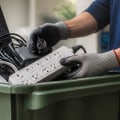
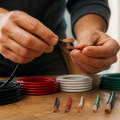
In the realm of construction, renovation, and maintenance, electrical supplies play a pivotal role. These essential components are not just wires and switches; they encompass a wide array of items that ensure the safe and efficient distribution of electricity in residential, commercial, and industrial settings. Understanding what constitutes electrical supplies is crucial for anyone involved in electrical projects, whether you are a seasoned electrician or a DIY enthusiast. The term electrical supplies refers to various materials and tools used in electrical installations and repairs. This includes everything from basic wiring and circuit breakers to more specialized items like transformers and lighting fixtures.
Each type of supply serves a specific purpose, contributing to the overall functionality and safety of electrical systems. As we delve deeper into the different types of electrical supplies, it becomes clear that each component is integral to creating a reliable electrical infrastructure. Moreover, the importance of selecting the right electrical supplies cannot be overstated. Using high-quality materials not only enhances performance but also minimizes risks associated with electrical failures. In this article, we will explore the most common types of electrical supplies available on the market today, providing insights into their applications and benefits.
By gaining a comprehensive understanding of these supplies, you will be better equipped to make informed decisions for your projects.
Wiring and Cables
When it comes to electrical supplies, understanding the different types of wiring and cables is crucial for any electrical installation. Each type serves specific purposes and has unique specifications that cater to various applications.Types of Wiring
- Non-Metallic Sheathed Cable (NM) : Commonly used in residential wiring, NM cable consists of two or more insulated conductors and a ground wire, all encased in a plastic sheath. It is ideal for indoor use and is easy to install.
- Armored Cable (AC) : This type features a metal sheath that provides extra protection against physical damage. It is often used in commercial settings where durability is essential.
- Underground Feeder (UF) Cable : Designed for direct burial, UF cable is moisture-resistant and suitable for outdoor applications, such as powering outdoor lighting or garden equipment.
- Service Entrance Cable (SE) : This heavy-duty cable connects the utility service to the home’s electrical system.
It is designed to withstand high voltage and harsh weather conditions.
Electrical Cables
In addition to wiring, various types of electrical cables are essential for different applications:- Coaxial Cable : Primarily used for television and internet connections, coaxial cables consist of a central conductor surrounded by insulation and a metallic shield.
- Twisted Pair Cable : Commonly used in networking, twisted pair cables consist of pairs of wires twisted together to reduce electromagnetic interference.
- Fiber Optic Cable : This advanced type of cable uses light to transmit data, offering high-speed internet connections over long distances without signal loss.
Electrical Connectors and Terminals
Electrical connectors and terminals play a crucial role in ensuring safe and efficient connections in various electrical systems. These components are essential for establishing reliable electrical pathways, whether in residential wiring, industrial applications, or electronic devices.Types of Electrical Connectors
- Plug and Socket Connectors: These are commonly used in household appliances and power tools. They allow for easy connection and disconnection of devices.
- Terminal Blocks: These connectors provide a secure point for connecting multiple wires.
They are often used in control panels and electrical enclosures.
- Wire-to-Wire Connectors: These connectors join two or more wires together, ensuring a stable connection without soldering.
- PCB Connectors: Found on printed circuit boards, these connectors facilitate connections between different components on the board.
Types of Terminals
- Ring Terminals: These terminals have a circular shape that allows them to be bolted onto a connection point, providing a secure fit.
- Spade Terminals: With a flat blade design, spade terminals can be easily connected and disconnected from a terminal block or other connectors.
- Bullet Terminals: These are cylindrical connectors that allow for quick connections and disconnections, often used in automotive applications.
- Fork Terminals: Similar to spade terminals but with a forked end, these terminals can be easily slipped over a screw or stud for secure attachment.
Switches and Outlets
When it comes to electrical supplies, switches and outlets are fundamental components that play a crucial role in both residential and commercial settings. Understanding the different types of switches and outlets can help you make informed decisions for your electrical needs.Types of Switches
- Toggle Switches: These are the most common type of switch, featuring a lever that you flip up or down to turn on or off.
- Dimmer Switches: Ideal for controlling the brightness of lights, dimmer switches allow you to adjust the light level according to your preference.
- Rocker Switches: With a flat surface that rocks back and forth, these switches are often used in modern designs for their sleek appearance.
- Smart Switches: These innovative switches can be controlled via smartphone apps or voice commands, offering convenience and energy efficiency.
Types of Electrical Outlets
- Standard Outlets: The most common type, typically rated for 15 or 20 amps, used for everyday appliances.
- GFCI Outlets: Ground Fault Circuit Interrupter outlets are essential in areas prone to moisture, such as kitchens and bathrooms, as they prevent electrical shock.
- USB Outlets: These outlets come with built-in USB ports, allowing you to charge devices without needing a separate adapter.
- Surge Protector Outlets: Designed to protect your devices from voltage spikes, these outlets are crucial for sensitive electronics.
For instance, using GFCI outlets in wet areas is not just a recommendation but a requirement in many building codes. Additionally, ensure that all switches and outlets are installed correctly to prevent hazards such as short circuits or electrical fires.In summary, understanding the various types of switches and outlets available can significantly enhance both functionality and safety in your electrical systems. Whether you're upgrading your home or outfitting a commercial space, choosing the right electrical supplies is essential for optimal performance and safety.
Circuit Breakers and Fuses
In any electrical system, circuit breakers and fuses play a crucial role in ensuring safety and functionality. These devices are designed to protect electrical circuits from damage caused by overloads and short circuits, which can lead to fires or equipment failure.Circuit Breakers
- Circuit breakers are automatic switches that interrupt the flow of electricity when they detect an overload or a fault in the circuit.
- They can be reset after tripping, making them a convenient option for protecting electrical systems.
- Circuit breakers come in various types, including standard circuit breakers, GFCI (Ground Fault Circuit Interrupter), and AFDD (Arc Fault Detection Device), each serving specific protection needs.
Fuses
- Fuses are simpler devices that contain a metal wire or strip that melts when excessive current flows through it, thereby breaking the circuit.
- Unlike circuit breakers, fuses must be replaced once they have blown, which can be seen as a disadvantage in terms of convenience.
- Fuses are often used in older electrical systems and are available in various ratings to match the specific requirements of the circuit they protect.
While both serve the essential function of safeguarding electrical systems, circuit breakers offer more flexibility and ease of use. Understanding these devices is vital for anyone involved in electrical work or maintenance, as they are fundamental components of any safe electrical installation.
Lighting Fixtures and Bulbs
When it comes to electrical supplies, lighting fixtures and bulbs play a crucial role in both functionality and aesthetics. Understanding the various types of lighting options available can help you make informed decisions for your home or business.Types of Lighting Fixtures
- Ceiling Fixtures: These are mounted directly to the ceiling and can range from simple flush mounts to elaborate chandeliers. They provide general illumination and are often used in living rooms, dining areas, and hallways.
- Wall Sconces: These fixtures are attached to walls and can serve both decorative and functional purposes.
They are ideal for accent lighting or to enhance the ambiance of a room.
- Recessed Lighting: Installed into the ceiling, recessed lights offer a sleek look and are perfect for providing focused light in specific areas, such as kitchens or workspaces.
- Table and Floor Lamps: These portable lighting options allow for flexibility in placement and can add style to any room. They are commonly used in living rooms, bedrooms, and offices.
Types of Light Bulbs
- Incandescent Bulbs: Traditional bulbs that provide warm light but are less energy-efficient compared to newer technologies.
- CFL Bulbs: Compact fluorescent lamps use about 75% less energy than incandescent bulbs and have a longer lifespan, making them a popular choice for energy-conscious consumers.
- LED Bulbs: Light Emitting Diodes are highly energy-efficient, lasting up to 25 times longer than incandescent bulbs. They come in various colors and brightness levels, making them versatile for different applications.
Additionally, many modern fixtures are designed to accommodate these energy-efficient bulbs, ensuring that you can maximize both performance and savings.In summary, understanding the different types of lighting fixtures and bulbs is essential when considering your electrical supplies. By choosing the right combination of fixtures and energy-efficient bulbs, you can enhance your space while also being mindful of your energy consumption.
Electrical Tools and Equipment
When it comes to electrical supplies, having the right tools and equipment is crucial for electricians. These tools not only enhance efficiency but also ensure safety during installation and maintenance of electrical systems. Below are some of the most essential tools used in the field.- Wire Strippers: These are indispensable for removing insulation from electrical wires without damaging the conductor.
They come in various sizes and types, catering to different wire gauges.
- Multimeters: A must-have for any electrician, multimeters measure voltage, current, and resistance. They help diagnose electrical issues and ensure systems are functioning correctly.
- Screwdrivers: Electricians often use a variety of screwdrivers, including flathead and Phillips, to secure or remove electrical components. Insulated screwdrivers are particularly important for safety.
- Pliers: Different types of pliers, such as needle-nose and lineman's pliers, are essential for gripping, twisting, and cutting wires. They provide the necessary leverage for various tasks.
- Cable Cutters: Designed specifically for cutting through thick cables, these tools make it easier to handle larger electrical installations.
- Tape Measure: Accurate measurements are vital in electrical work.
A sturdy tape measure helps ensure that installations meet required specifications.
- Drills: Electricians often need to drill holes for wiring or mounting fixtures. A reliable drill with various bits is essential for this purpose.
Safety Gear for Electrical Work
When working with electrical supplies, the importance of wearing appropriate personal protective equipment (PPE) cannot be overstated.Safety gear is essential for electricians to minimize the risk of accidents and injuries, which can be severe given the nature of electrical work.Electricians face various hazards, including electrical shocks, burns, and falls. Therefore, investing in high-quality safety gear is crucial. Here are some key components of safety gear for electrical work:
- Insulated Gloves: These gloves are designed to protect against electrical shocks. They are made from materials that can withstand high voltages and should be tested regularly for any signs of wear or damage.
- Safety Glasses: Protecting your eyes is vital when working with electrical supplies.
Safety glasses shield against flying debris and potential arc flashes that can occur during electrical work.
- Hard Hats: A hard hat is essential for protecting the head from falling objects or accidental bumps, especially in construction environments where electrical work is being performed.
- Flame-Resistant Clothing: Wearing flame-resistant clothing can prevent severe burns in case of an electrical fire or arc flash. This type of clothing is made from materials that do not ignite easily.
- Electrical Safety Footwear: Steel-toed boots with slip-resistant soles provide protection against heavy objects and reduce the risk of slips and falls on wet surfaces.
Frequently Asked Questions about Electrical Supplies
When it comes to electrical supplies, many people have questions about their usage, safety, and selection. Here are some of the most frequently asked questions:What are the essential electrical supplies for home projects?
For basic home electrical projects, you will typically need:- Wires and Cables: These are crucial for connecting different components.
- Switches and Outlets: Essential for controlling power flow and providing access to electricity.
- Circuit Breakers: Important for protecting your electrical system from overloads.
- Light Fixtures: Necessary for illuminating spaces.
- Electrical Tape: Used for insulating wires and connections.
How do I choose the right electrical supplies?
Selecting the right electrical supplies depends on the specific project requirements.Consider the following factors:
- Voltage Rating: Ensure that the supplies can handle the voltage of your system.
- Amperage Capacity: Choose components that can support the current load.
- Material Quality: Opt for durable materials to ensure safety and longevity.
Are there safety tips I should follow when using electrical supplies?
Absolutely! Safety is paramount when working with electricity. Here are some tips to keep in mind:- Always turn off power: Before starting any project, ensure that the power is turned off at the circuit breaker.
- Use insulated tools: This helps prevent accidental shocks.
- Follow local codes: Adhere to local electrical codes and regulations to ensure compliance and safety.
Conclusion: Key Takeaways on Electrical Supplies
In summary, understanding the various types of electrical supplies is crucial for anyone involved in electrical work, whether you are a professional electrician or a DIY enthusiast. Each category of electrical supplies plays a vital role in ensuring safety, efficiency, and functionality in electrical systems. Here are the key takeaways:- Wiring and Cables: These are the backbone of any electrical system, providing the necessary pathways for electricity to flow. Choosing the right type of wire is essential for preventing hazards.
- Switches and Outlets: These components allow users to control the flow of electricity.
Understanding their specifications can help in selecting the right products for your needs.
- Lighting Fixtures: From ambient to task lighting, the right fixtures enhance both functionality and aesthetics in any space.
- Breakers and Fuses: These safety devices protect electrical circuits from overloads. Knowing how to choose and install them is critical for maintaining a safe environment.
- Tools and Accessories: Proper tools are necessary for installation and maintenance. Investing in quality tools can save time and ensure safety during electrical work.