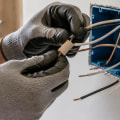
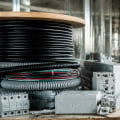
Electrical supplies are essential components that facilitate the generation, distribution, and utilization of electrical energy. They encompass a wide range of items, including wires, cables, circuit breakers, switches, and connectors. Understanding what electrical supplies are is crucial for anyone involved in electrical work, whether it be in residential, commercial, or industrial settings. These supplies not only ensure the efficient functioning of electrical systems but also play a vital role in maintaining safety standards. The types of electrical supplies available can vary significantly based on their application.
For instance, residential electrical supplies may include basic wiring and outlets, while industrial applications might require heavy-duty cables and specialized connectors. Each type serves a specific purpose and is designed to meet particular safety and performance standards. Recognizing the different categories of electrical supplies helps users select the right components for their projects, ensuring both efficiency and safety. The importance of electrical supplies cannot be overstated. They are the backbone of any electrical system, enabling everything from simple lighting solutions to complex machinery operations.
Properly selected and installed electrical supplies contribute to the longevity and reliability of electrical systems while minimizing risks associated with electrical failures. As we delve deeper into this topic, it becomes evident that understanding these supplies is not just about functionality; it is also about ensuring safety during handling and installation.
General Safety Guidelines for Handling Electrical Supplies
When it comes to handling electrical supplies, adhering to safety guidelines is paramount to prevent accidents and ensure a safe working environment. Here are some essential safety precautions to consider:- Always Wear Protective Gear: Equip yourself with appropriate personal protective equipment (PPE) such as insulated gloves, safety goggles, and non-conductive footwear. This gear can significantly reduce the risk of electrical shock and injuries.
- Inspect Tools and Equipment: Before using any electrical supplies, conduct a thorough inspection of tools and equipment.
Look for signs of wear, damage, or frayed wires. Using faulty equipment can lead to serious accidents.
- Work in a Dry Environment: Ensure that the area where you are handling electrical supplies is dry. Water is a conductor of electricity, and working in wet conditions increases the risk of electric shock.
- Turn Off Power Sources: Always disconnect power sources before beginning any work with electrical supplies. This includes turning off circuit breakers or unplugging devices to eliminate the risk of accidental energization.
- Use Tools Properly: Utilize tools specifically designed for electrical work.
Insulated tools can help prevent accidental contact with live wires, reducing the risk of shock.
- Follow Manufacturer Instructions: Always adhere to the manufacturer’s guidelines when using electrical supplies. This includes installation procedures, voltage ratings, and safety warnings.
Personal Protective Equipment (PPE) for Electrical Work
When working with electrical supplies, the use of Personal Protective Equipment (PPE) is crucial to ensure safety and minimize the risk of electrical hazards. Here are some essential PPE items that should be utilized:- Insulated Gloves: These gloves are designed to protect against electric shock and are rated for specific voltage levels.
Always check the condition of the gloves before use, as any damage can compromise their effectiveness.
- Safety Glasses: Protecting your eyes is vital when working with electrical components. Safety glasses shield against flying debris and accidental sparks that may occur during electrical work.
- Hard Hats: In environments where there is a risk of falling objects or overhead hazards, wearing a hard hat is essential. It provides protection against head injuries that could result from accidents.
- Flame-Resistant Clothing: This type of clothing is designed to resist ignition and prevent burns in case of an electrical arc flash. It is important to wear clothing made from materials that do not melt or ignite easily.
- Electrical Safety Footwear: Shoes with non-conductive soles help prevent electrical shock and provide traction on slippery surfaces.
Look for footwear specifically designed for electrical work.
Proper Tools and Equipment for Handling Electrical Supplies
When it comes to handling electrical supplies, using the right tools and equipment is crucial for ensuring safety and efficiency. The following tools are essential for anyone working with electrical components:- Insulated Hand Tools: These include pliers, screwdrivers, and wrenches that are specifically designed with insulation to prevent electrical shock.
Always opt for tools that are rated for the voltage you are working with.
- Voltage Testers: Before starting any electrical work, it’s vital to confirm that the power is off. A reliable voltage tester can help you check for live wires, ensuring that you only work on de-energized circuits.
- Wire Strippers: Properly stripping wires is essential for making secure connections. Use wire strippers that match the gauge of the wire you are working with to avoid damaging the conductor.
- Safety Goggles: Protecting your eyes from debris and accidental sparks is important. Always wear safety goggles when working with electrical supplies.
- Gloves: Insulated gloves provide an additional layer of protection against electric shock.
Make sure they are rated for the specific voltage levels you will encounter.
- Multimeter: This versatile tool allows you to measure voltage, current, and resistance, making it invaluable for troubleshooting electrical issues safely.
Identifying and Avoiding Electrical Hazards
When working with electrical supplies, it is crucial to be aware of potential hazards that can lead to serious injuries or even fatalities. Identifying these hazards early on can significantly reduce the risk of accidents.Common Electrical Hazards
- Exposed Wires: Frayed or damaged wires can create a risk of electric shock.
Always inspect wires before use.
- Overloaded Circuits: Plugging too many devices into a single outlet can cause overheating and fires. Be mindful of the load on each circuit.
- Moisture: Water and electricity do not mix. Ensure that your work area is dry and that electrical supplies are kept away from water sources.
- Improper Use of Tools: Using tools that are not rated for electrical work can lead to accidents. Always use insulated tools when handling electrical supplies.
Tips for Avoiding Electrical Hazards
- Conduct Regular Inspections: Regularly check your electrical supplies and tools for any signs of wear or damage.
- Use Personal Protective Equipment (PPE): Wear appropriate PPE, such as rubber gloves and safety goggles, to protect yourself from electrical shocks and sparks.
- Follow Safety Protocols: Always adhere to established safety guidelines and protocols when working with electrical systems.
- Educate Yourself: Stay informed about the latest safety practices and regulations related to electrical work.
Remember, safety should always be your top priority.
Emergency Procedures When Working with Electrical Supplies
When working with electrical supplies, it is crucial to be prepared for emergencies. Accidents can happen, and knowing the correct procedures can make a significant difference in ensuring safety. Here are essential emergency procedures to follow:- Stay Calm: In any emergency, the first step is to remain calm. Panic can lead to poor decision-making.
- Assess the Situation: Quickly evaluate what has happened.
Is there a fire? Has someone been electrocuted? Understanding the nature of the emergency will guide your next steps.
- Disconnect Power: If it is safe to do so, turn off the power supply at the circuit breaker or main switch. This action can prevent further injury or damage.
- Call for Help: If someone is injured or if there is a fire, call 911 immediately. Provide clear information about the situation and your location.
- Administer First Aid: If someone has been electrocuted, do not touch them until you are sure the power is off. If they are unconscious or not breathing, begin CPR if you are trained to do so.
- Use Fire Extinguishers Wisely: If there is an electrical fire, use a Class C fire extinguisher.
Never use water, as it can conduct electricity and worsen the situation.
Frequently Asked Questions About Electrical Safety Precautions
When it comes to handling electrical supplies, safety should always be the top priority.Here are some frequently asked questions that can help clarify important safety precautions:
What are the basic safety precautions when working with electrical supplies?
Before starting any project involving electrical supplies, consider the following basic safety measures:- Always turn off the power at the circuit breaker before beginning any work.
- Use insulated tools to prevent accidental shocks.
- Wear rubber-soled shoes and avoid working in wet conditions.
- Keep your workspace dry and free from clutter.
How can I identify faulty electrical supplies?
Identifying faulty electrical supplies is crucial for safety. Look for:- Frayed or damaged wires.
- Burn marks or discoloration on plugs and sockets.
- Unusual smells, such as burning plastic.
What should I do if I experience an electrical shock?
If you or someone else experiences an electrical shock, follow these steps:- Do not touch the person until you are sure the power source is turned off.
- If safe, call emergency services immediately.
- If the person is unconscious or not breathing, perform CPR until help arrives.
Conclusion: Key Takeaways on Electrical Safety Precautions
In conclusion, understanding and implementing safety precautions when handling electrical supplies is crucial for preventing accidents and ensuring a safe working environment. Here are the key takeaways to remember:- Always disconnect power: Before starting any work with electrical supplies, ensure that the power source is completely turned off.
This simple step can prevent serious injuries.
- Use appropriate personal protective equipment (PPE): Equip yourself with safety gear such as insulated gloves, safety goggles, and non-conductive footwear to minimize the risk of electrical shock.
- Inspect tools and equipment: Regularly check your tools for any signs of wear or damage. Using faulty equipment can lead to dangerous situations.
- Follow proper wiring techniques: Familiarize yourself with safe wiring practices and adhere to local electrical codes to ensure that installations are secure and reliable.
- Keep work areas dry: Moisture is a significant hazard when working with electrical supplies. Always ensure that your workspace is dry to reduce the risk of shock.
- Educate yourself: Continuous learning about electrical safety standards and practices can significantly enhance your ability to work safely with electrical supplies.