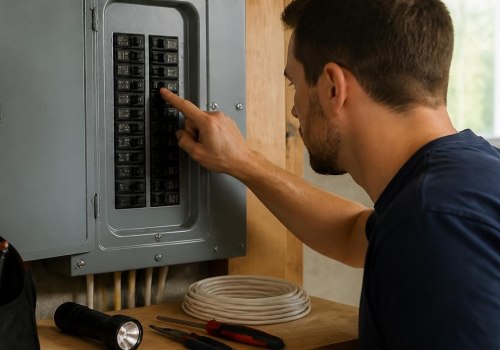
When embarking on any electrical project, understanding electrical supplies is crucial. These supplies encompass a wide range of components, including wires, connectors, circuit breakers, and switches, all of which play a vital role in ensuring the safety and functionality of electrical systems. Whether you are a seasoned electrician or a DIY enthusiast, having a solid grasp of what constitutes electrical supplies can significantly impact the success of your project. The types of electrical supplies available are diverse, catering to various needs and applications. For instance, residential projects may require different materials compared to commercial installations.
Common categories include wiring, which is essential for transmitting electricity; outlets, which provide access to power; and lighting fixtures, which enhance visibility and ambiance. Understanding these categories not only helps in selecting the right materials but also in avoiding potential pitfalls during installation. The importance of using quality electrical supplies cannot be overstated. Poor-quality materials can lead to electrical failures, safety hazards, and costly repairs down the line. By investing in reliable supplies and understanding their specifications, you can ensure that your electrical systems operate efficiently and safely.
This foundational knowledge sets the stage for recognizing common mistakes that can occur when working with these essential components.
Mistake #1: Ignoring Safety Standards
When working with electrical supplies, one of the most critical mistakes to avoid is ignoring established electrical safety standards. These standards are designed to protect both the individual and the property from potential hazards associated with electricity. Neglecting these guidelines can lead to severe consequences, including electrical shocks, fires, and even fatalities.Common Safety Mistakes
- Using Damaged Equipment: Always inspect your electrical supplies for any signs of wear or damage. Using frayed wires or broken tools can significantly increase the risk of accidents.
- Overloading Circuits: Many individuals underestimate the capacity of their circuits.
Overloading can cause overheating and lead to electrical fires. Always adhere to the recommended load limits.
- Neglecting Personal Protective Equipment (PPE): Failing to wear appropriate PPE, such as insulated gloves and safety goggles, can expose you to unnecessary risks while handling electrical components.
- Ignoring Grounding Requirements: Proper grounding is essential for safety. Ensure that all electrical installations comply with grounding standards to prevent shock hazards.
Therefore, it is crucial to stay informed about electrical supply safety practices and adhere strictly to safety standards.In summary, prioritizing safety when working with electrical supplies is non-negotiable. By avoiding common mistakes and following established guidelines, you can ensure a safer working environment for yourself and others.
Mistake #2: Choosing the Wrong Supplies
One of the most significant pitfalls when working with electrical supplies is choosing the wrong materials for your project. This mistake can lead to safety hazards, inefficiencies, and increased costs. Understanding the specific requirements of your project is crucial to avoid these issues.Types of Electrical Supplies
- Wires and Cables: Selecting the appropriate gauge and type is essential.
Using wires that are too thin can lead to overheating, while overly thick wires may be unnecessary and cumbersome.
- Switches and Outlets: Not all switches and outlets are created equal. Ensure that they are rated for the voltage and current they will handle.
- Fuses and Circuit Breakers: Choosing the wrong rating can result in frequent tripping or, worse, electrical fires.
- Research Your Needs: Before purchasing any electrical supplies, take the time to understand your project's requirements. This includes knowing the load calculations and safety standards.
- Consult Professionals: If you're unsure about what supplies to choose, consult with a licensed electrician or a knowledgeable supplier. Their expertise can save you from costly mistakes.
- Quality Over Cost: While it may be tempting to opt for cheaper options, investing in high-quality supplies can prevent future problems and ensure safety.
By conducting thorough research and consulting with experts, you can avoid common mistakes that could compromise safety and efficiency.
Mistake #3: Overlooking Compatibility Issues
When working with electrical supplies, one of the most critical aspects to consider is compatibility. Failing to ensure that components are compatible can lead to significant issues, including project delays, safety hazards, and increased costs. Here are some common compatibility mistakes to avoid:- Ignoring Voltage Ratings: Each electrical component has a specific voltage rating. Using a component rated for a lower voltage than required can lead to overheating and potential failure.
- Mixing Different Types of Connectors: Not all connectors are created equal.
Ensure that the connectors you are using match in type and size to avoid loose connections that can cause arcing or short circuits.
- Overlooking Amperage Limits: Just as voltage ratings are crucial, so too are amperage limits. Exceeding the amperage rating of a wire or device can lead to dangerous situations.
- Neglecting Manufacturer Specifications: Always refer to the manufacturer’s specifications for each component. These documents provide essential information about compatibility and installation requirements.
- Research Components: Before purchasing, research each component's specifications online or consult with a knowledgeable supplier.
- Use Compatibility Tools: Many manufacturers offer online tools or charts that help determine if components will work together effectively.
- Consult Professionals: If in doubt, don’t hesitate to consult with an electrician or electrical engineer who can provide expert advice on compatibility issues.
Mistake #4: Neglecting Proper Installation Techniques
When it comes to working with electrical supplies, one of the most critical aspects is ensuring that proper installation techniques are followed. Neglecting these techniques can lead to a range of issues, from minor inconveniences to serious safety hazards.Common Installation Mistakes
- Improper Wiring: One of the most frequent errors is incorrect wiring.
This can occur when wires are connected in the wrong order or when the wrong gauge wire is used for a specific application. Such mistakes can lead to overheating and potential fire hazards.
- Inadequate Grounding: Failing to properly ground electrical systems can result in electrical shocks or equipment damage. Grounding provides a safe path for electricity to follow in case of a fault, making it essential for safety.
- Ignoring Local Codes: Each region has specific electrical codes and regulations that must be adhered to. Ignoring these can not only lead to unsafe installations but also result in fines or the need for costly rework.
- Overloading Circuits: Installing too many devices on a single circuit can cause overloads, leading to tripped breakers or even electrical fires.
It's crucial to calculate the load and distribute devices across multiple circuits as needed.
The Importance of Following Proper Installation Techniques
Adhering to correct installation procedures not only ensures the functionality of your electrical supplies but also significantly enhances safety. Proper installation techniques help in:
- Minimizing Risks: By following established guidelines, you reduce the likelihood of accidents and malfunctions.
- Enhancing Longevity: Correctly installed systems tend to last longer and require fewer repairs, saving you time and money in the long run.
- Improving Efficiency: Well-installed electrical systems operate more efficiently, which can lead to lower energy bills and better performance of devices.
Mistake #5: Failing to Plan for Future Needs
When it comes to electrical supplies, one of the most significant mistakes individuals and businesses make is failing to plan for future needs. This oversight can lead to a range of issues, from inadequate power supply to costly retrofitting down the line.Many people focus solely on their current requirements, neglecting to consider how their needs might evolve.For instance, if you are setting up a new office space, think about potential expansions or the addition of new technology that may require more power. Without proper foresight, you may find yourself in a situation where your existing electrical supplies cannot support new equipment, leading to interruptions and additional expenses.
Common Planning Mistakes
- Underestimating Power Requirements: It's crucial to calculate not just your current power needs but also anticipate future demands. This includes considering the wattage of new devices and appliances that may be added later.
- Ignoring Load Balancing: Failing to distribute electrical loads evenly can lead to circuit overloads. Planning for future needs means ensuring that your system can handle increased loads without compromising safety.
- Neglecting Upgrades: Technology evolves rapidly.
Choosing outdated electrical supplies can limit your ability to integrate newer systems. Always opt for components that allow for easy upgrades.
- Not Consulting Professionals: Many individuals attempt to manage their electrical planning without expert advice. Engaging with an electrician or electrical engineer can provide insights into future-proofing your setup.
Investing in a well-thought-out electrical system today will pay dividends tomorrow.
Frequently Asked Questions (FAQs)
When working with electrical supplies, it's common to have questions or face challenges. Here are some frequently asked questions that can help clarify your doubts:What are the most common mistakes when using electrical supplies?
- Ignoring safety precautions: Always ensure that you turn off the power before starting any electrical work.
- Using the wrong tools: Using inappropriate tools can lead to accidents or damage to the electrical supplies.
- Overloading circuits: Be mindful of the load on your circuits to prevent overheating and potential fires.
How can I troubleshoot issues with electrical supplies?
If you encounter problems, consider these troubleshooting steps:- Check connections: Ensure all connections are secure and free from corrosion.
- Inspect for damage: Look for any visible signs of wear or damage on wires and components.
- Test with a multimeter: Use a multimeter to check voltage levels and continuity in your electrical supplies.
What should I do if I’m unsure about my electrical project?
If you're uncertain about any aspect of your project, it’s best to consult a professional electrician. They can provide guidance and ensure that your work complies with local codes and safety standards.By understanding these common questions and mistakes, you can enhance your knowledge and ensure a safer experience when working with electrical supplies.Conclusion: Key Takeaways on Electrical Supply Mistakes
In conclusion, understanding the common mistakes associated with electrical supplies is crucial for both safety and efficiency in any electrical project. By being aware of these pitfalls, you can ensure a smoother workflow and avoid costly errors. Here are the key takeaways to remember:- Choosing the Right Supplies: Always select electrical supplies that meet the specific requirements of your project.
Using substandard or incorrect materials can lead to serious safety hazards.
- Proper Installation: Follow manufacturer guidelines and local codes when installing electrical supplies. Improper installation can result in malfunctions or even electrical fires.
- Overloading Circuits: Be mindful of the load capacity of your circuits. Overloading can cause circuit breakers to trip or, worse, lead to electrical fires.
- Neglecting Safety Precautions: Always prioritize safety by wearing appropriate gear and ensuring that power is turned off before working on any electrical supplies.
- Ignoring Maintenance: Regularly inspect and maintain your electrical supplies. Neglecting maintenance can lead to deterioration and potential hazards over time.
Remember, a well-informed approach to handling electrical supplies not only protects you but also ensures the longevity and reliability of your electrical systems.