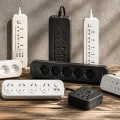
In the realm of electrical supplies, understanding the various components that ensure safety and functionality is crucial. One such component is the Ground Fault Circuit Interrupter, commonly known as a GFCI outlet. These specialized outlets play a vital role in protecting individuals from electrical shock, particularly in areas where water and electricity may come into contact, such as kitchens, bathrooms, and outdoor spaces. By detecting imbalances in electrical current, GFCI outlets can quickly cut off power, significantly reducing the risk of serious injury or fatality. The purpose of a GFCI outlet extends beyond mere safety; it also reflects a broader commitment to enhancing the reliability of electrical supplies.
In an age where electrical devices are ubiquitous, ensuring that our homes and workplaces are equipped with protective measures is more important than ever. GFCI outlets not only safeguard users but also contribute to the overall integrity of electrical systems by preventing potential hazards that could arise from faulty wiring or equipment. As we delve deeper into the specifics of GFCI outlets, it becomes evident that their integration into modern electrical systems is not just a regulatory requirement but a fundamental aspect of responsible electrical supply management. Understanding their function and importance will empower homeowners and professionals alike to make informed decisions about their electrical installations and upgrades.
What is a GFCI Outlet?
A GFCI outlet, or Ground Fault Circuit Interrupter outlet, is a crucial component in modern electrical supplies designed to protect individuals from electrical shock. These outlets are particularly important in areas where water and electricity may come into contact, such as kitchens, bathrooms, and outdoor spaces.Definition of a GFCI Outlet
A GFCI outlet monitors the flow of electricity through a circuit.
It is equipped with a built-in sensor that detects any imbalance between the outgoing and incoming current. If it senses a difference as small as 4 to 6 milliamps, which can occur when electricity is flowing through a person instead of back to the outlet, the GFCI outlet will trip and cut off the power supply within milliseconds. This rapid response can be life-saving.
How GFCI Outlets Work
- Detection: The GFCI outlet continuously monitors the electrical current flowing through it.
- Interruption: Upon detecting an imbalance, it interrupts the circuit to prevent electric shock.
- Resetting: After tripping, the outlet can be reset by pressing the reset button on its face once the issue has been resolved.
These outlets not only enhance safety but also comply with electrical codes in many regions, making them a standard requirement in new constructions and renovations.
The Purpose of GFCI Outlets in Electrical Supplies
GFCI outlets, or Ground Fault Circuit Interrupters, serve a critical purpose in the realm of electrical supplies by providing enhanced safety against electrical shocks. These specialized outlets are designed to detect imbalances in electrical current, which can occur when electricity escapes its intended path, often through water or a person. When such an imbalance is detected, the GFCI outlet reacts swiftly, cutting off the electrical supply within milliseconds.One of the primary reasons to use GFCI outlets is their ability to prevent serious injuries or fatalities caused by electrical shocks. This is particularly important in areas where water and electricity are in close proximity, such as kitchens, bathrooms, and outdoor spaces.By installing GFCI outlets in these locations, homeowners can significantly reduce the risk of accidents.The benefits of GFCI outlets extend beyond just shock prevention. They also contribute to overall electrical safety by:
- Reducing Fire Hazards: By interrupting the circuit when a fault is detected, GFCI outlets help prevent potential electrical fires that could arise from faulty wiring or appliances.
- Enhancing Compliance: Many building codes require GFCI outlets in specific areas, ensuring that homes and businesses meet safety standards.
- Providing Peace of Mind: Knowing that GFCI outlets are installed can give homeowners confidence that they are taking proactive steps to protect their families from electrical hazards.
How GFCI Outlets Work
A Ground Fault Circuit Interrupter (GFCI) outlet is a crucial component in modern electrical supplies, designed to enhance safety in areas where electrical devices are exposed to moisture.Understanding how GFCI outlets work is essential for both homeowners and professionals in the electrical field.At the core of a GFCI outlet is its ability to monitor the flow of electricity through the circuit. It continuously compares the amount of current flowing into the outlet with the amount returning. Under normal conditions, these two values should be equal. However, if there is a discrepancy—indicating that some current is leaking to the ground, which could happen if a person comes into contact with a live wire—the GFCI outlet reacts swiftly.
Mechanism of Action
- Detection: The GFCI outlet uses a built-in sensor to detect ground faults.
This sensor can identify even minute differences in current, typically as low as 4-6 milliamps.
- Interruption: Upon detecting a ground fault, the GFCI outlet interrupts the electrical circuit within milliseconds, cutting off power to prevent electric shock.
- Reset Function: After tripping, the GFCI outlet can be reset by pressing a button, allowing it to resume normal operation once the fault has been addressed.
Where to Install GFCI Outlets
When considering GFCI outlet installation, it is crucial to identify the locations where these outlets are most effective in preventing electrical hazards. GFCI outlets are designed to protect against ground faults, which can occur in areas where moisture is present. Here are some recommended areas for installing GFCI outlets:- Bathrooms: Since bathrooms often have water sources, GFCI outlets should be installed near sinks, bathtubs, and showers to prevent shock hazards.
- Kitchens: Install GFCI outlets near kitchen sinks and countertops where appliances may come into contact with water.
- Outdoor Areas: Any outdoor electrical supply, such as patio outlets or garden lighting, should be equipped with GFCI protection to safeguard against rain and moisture.
- Basements: Due to their susceptibility to dampness, basements should have GFCI outlets, especially in laundry areas or near water heaters.
- Garages: Garages often house tools and equipment that may be used in wet conditions; thus, GFCI outlets are essential for safety.
This includes places like swimming pools and hot tubs. By strategically placing GFCI outlets in these high-risk areas, homeowners can significantly reduce the risk of electrical shock and ensure a safer environment.
Common Misconceptions About GFCI Outlets
When it comes to GFCI outlets, several myths and misconceptions can lead to confusion about their purpose and functionality. Understanding these common misunderstandings is crucial for anyone involved in electrical supplies or home safety.- Myth 1: GFCI Outlets Are Only for Wet Areas
Many people believe that GFCI outlets are only necessary in bathrooms and kitchens. While it’s true that these areas are high-risk for electrical shock, GFCI outlets can be beneficial in any location where water is present, including outdoor spaces and basements. - Myth 2: GFCI Outlets Prevent All Electrical Shocks
Another common misconception is that GFCI outlets can prevent all types of electrical shocks.In reality, they are designed to protect against ground faults, which occur when electricity escapes the intended path. They do not provide protection against all electrical hazards, such as overloaded circuits.
- Myth 3: GFCI Outlets Are the Same as Regular Outlets
Some individuals think that GFCI outlets function just like standard outlets. However, GFCI outlets have built-in sensors that monitor the flow of electricity and can shut off power if an imbalance is detected, providing an extra layer of safety. - Myth 4: Once Installed, GFCI Outlets Don’t Need Maintenance
It’s a common belief that GFCI outlets are maintenance-free after installation. In fact, they should be tested monthly using the test button on the outlet to ensure they are functioning correctly.Regular testing helps maintain safety standards in your home.
Frequently Asked Questions About GFCI Outlets
Understanding GFCI outlets can be crucial for ensuring safety in areas where electrical supplies are used, especially in wet or damp locations. Here are some frequently asked questions about GFCI outlets:- What does GFCI stand for?
GFCI stands for Ground Fault Circuit Interrupter. It is designed to protect people from electric shock by monitoring the flow of electricity and shutting off the circuit if it detects an imbalance. - Where should GFCI outlets be installed?
GFCI outlets are typically required in areas where water is present, such as kitchens, bathrooms, garages, and outdoor spaces.This is because these locations pose a higher risk of electrical shock.
- How do I know if my GFCI outlet is working?
To test your GFCI outlet, press the "Test" button on the outlet. This should cause the "Reset" button to pop out, indicating that the outlet has tripped. To reset it, simply press the "Reset" button back in. - What should I do if my GFCI outlet keeps tripping?
If your GFCI outlet frequently trips, it may indicate a problem with the outlet itself or an issue with the connected devices. Check for any appliances that may be causing a ground fault and consider consulting a licensed electrician if the problem persists. - Can I replace a standard outlet with a GFCI outlet?
Yes, you can replace a standard outlet with a GFCI outlet.However, it’s important to follow proper wiring procedures and ensure that the circuit is de-energized before making any changes.
Conclusion: The Importance of GFCI Outlets in Electrical Safety
In conclusion, the role of GFCI outlets in enhancing electrical safety cannot be overstated. These devices are specifically designed to protect individuals from electrical shock, particularly in areas where water and electricity may come into contact. Understanding their purpose and functionality is crucial for anyone involved in managing electrical supplies.Throughout this article, we have explored the various aspects of GFCI outlets, including:- Functionality: GFCI outlets monitor the flow of electricity and can detect imbalances that may indicate a fault, cutting off power within milliseconds.
- Installation: Proper installation is essential for ensuring that GFCI outlets function correctly.
They should be placed in high-risk areas such as kitchens, bathrooms, and outdoor spaces.
- Maintenance: Regular testing of GFCI outlets is necessary to ensure they are operational. Most models come with a test button that allows users to check their functionality easily.
As we continue to rely on electricity for our daily activities, ensuring that our electrical supplies are equipped with protective measures like GFCI outlets is not just wise; it’s essential.