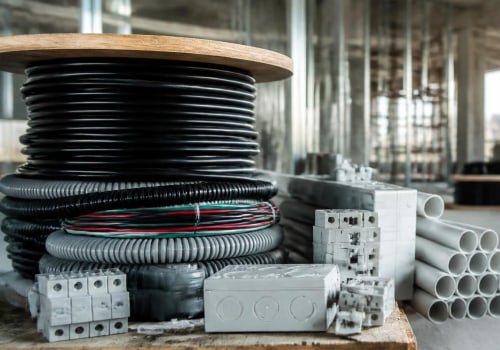
When it comes to electrical work, understanding electrical supplies and their relationship with live wires is crucial for both efficiency and safety. Electrical supplies encompass a wide range of tools, materials, and equipment that are essential for any electrical project, from simple repairs to complex installations. These supplies include wires, connectors, circuit breakers, and various types of protective gear. Each component plays a vital role in ensuring that electrical systems function correctly and safely. Live wires, which carry electric current, pose significant risks if not handled properly.
The danger they present is not just theoretical; improper handling can lead to severe injuries or even fatalities. Therefore, it is imperative for anyone working with electrical supplies to have a solid understanding of how to manage live wires safely. This includes recognizing the signs of potential hazards, using the right tools, and adhering to established safety protocols. As we delve deeper into the topic of electrical safety, it becomes clear that knowledge is power. By equipping yourself with the right information about electrical supplies and the precautions necessary when dealing with live wires, you can significantly reduce the risk of accidents.
This foundational understanding sets the stage for discussing specific safety measures that should always be followed in any electrical work environment.
The Importance of Safety Precautions
When working with live wires, the importance of adhering to safety precautions cannot be overstated. The risks associated with electrical work are significant, and neglecting safety measures can lead to severe injuries or even fatalities. Understanding these risks is crucial for anyone handling electrical supplies.Potential Hazards
- Electric Shock: One of the most immediate dangers of working with live wires is the risk of electric shock, which can cause serious injury or death.
- Electrical Fires: Faulty connections or damaged wires can lead to sparks and fires, posing a threat not only to the worker but also to surrounding structures.
- Equipment Damage: Improper handling of electrical supplies can result in damage to tools and equipment, leading to costly repairs or replacements.
Consequences of Neglecting Safety Measures
Failing to implement safety precautions when dealing with live wires can have dire consequences. Injuries from electric shocks can range from minor burns to life-threatening conditions, necessitating immediate medical attention.
Furthermore, electrical fires can escalate quickly, resulting in property loss and endangering lives.In addition to physical harm, there are legal implications for neglecting safety standards. Employers may face penalties for failing to provide a safe working environment, and individuals may be held liable for accidents caused by their negligence.
Conclusion
In summary, the importance of safety precautions when working with live wires cannot be ignored. By understanding the potential hazards and consequences of neglecting safety measures, individuals can better protect themselves and others while ensuring that their work with electrical supplies is conducted safely and effectively.
Personal Protective Equipment (PPE) for Electrical Work
When working with live wires, the importance of wearing appropriate personal protective equipment (PPE) cannot be overstated. The right protective gear not only minimizes the risk of electrical shock but also safeguards against potential injuries from falls, cuts, and other hazards associated with electrical work.- Insulated Gloves: These are essential for protecting your hands from electric shock.
Look for gloves rated for the voltage you will be working with, and ensure they are free from any damage.
- Safety Glasses: Protect your eyes from flying debris and potential arc flashes. Safety glasses should meet ANSI Z87.1 standards for impact resistance.
- Hard Hats: A hard hat is crucial when working in environments where there is a risk of falling objects or overhead hazards. Ensure it is rated for electrical work.
- Flame-Resistant Clothing: Wearing flame-resistant clothing can protect you from burns in case of an electrical arc or flash. This includes long-sleeved shirts and pants made from materials that do not ignite easily.
- Electrical Safety Footwear: Insulated boots with non-conductive soles provide protection against electric shock and help prevent slips and falls on wet surfaces.
Regularly inspect your PPE for any signs of wear or damage, as compromised equipment can lead to serious accidents.Ultimately, investing in quality electrical safety equipment and adhering to proper safety protocols can significantly reduce the risks associated with working on live wires. Always prioritize your safety and that of your colleagues by using the appropriate PPE at all times.
Tools and Equipment Safety Guidelines
When working with live wires, the right tools and equipment are crucial for ensuring safety. Here are some essential guidelines to follow:- Use Insulated Tools: Always opt for tools that are specifically designed for electrical work. Insulated tools, such as screwdrivers and pliers, provide an extra layer of protection against electric shock.
- Check Equipment Regularly: Before starting any job, inspect your tools and equipment for any signs of wear or damage.
Look for frayed cords, cracked handles, or rusted components that could compromise safety.
- Wear Personal Protective Equipment (PPE): Equip yourself with appropriate PPE, including rubber gloves, safety goggles, and non-conductive footwear. This gear can significantly reduce the risk of injury when handling electrical supplies.
- Keep Work Area Dry: Moisture is a conductor of electricity. Ensure that your workspace is dry and free from any spills or leaks that could create hazardous conditions.
- Use Ground Fault Circuit Interrupters (GFCIs): When working in areas where water is present, utilize GFCIs to prevent electrical shock. These devices automatically cut off power if they detect an imbalance in electrical current.
Familiarize yourself with the manufacturer’s instructions and ensure you are trained in the proper use of all equipment. Lastly, always work with a partner when dealing with live wires. Having someone nearby can provide immediate assistance in case of an emergency, enhancing overall safety during electrical tasks.
Safe Work Practices When Handling Live Wires
When working with live wires, adhering to safe work practices is crucial to prevent accidents and ensure the safety of all personnel involved. Here are essential procedures to follow:- Always De-energize Circuits: Before beginning any work, ensure that the circuit is completely de-energized. Use a multimeter to verify that no voltage is present.
- Use Personal Protective Equipment (PPE): Equip yourself with appropriate PPE, including insulated gloves, safety goggles, and flame-resistant clothing.
This gear provides an additional layer of protection against electrical hazards.
- Maintain a Safe Distance: Keep a safe distance from live wires. The National Electrical Code (NEC) recommends maintaining at least 3 feet of clearance from energized conductors.
- Utilize Insulated Tools: Always use tools that are rated for electrical work. Insulated tools help prevent accidental contact with live wires and reduce the risk of electric shock.
- Implement Lockout/Tagout Procedures: Before starting any electrical work, implement lockout/tagout (LOTO) procedures to ensure that the power source cannot be accidentally re-energized while you are working.
- Work in Pairs: Whenever possible, work with a partner. Having someone nearby can provide immediate assistance in case of an emergency.
- Stay Focused and Alert: Avoid distractions while working with live wires.
Stay focused on the task at hand to minimize the risk of accidents.
Emergency Procedures in Case of Electrical Accidents
In the event of an electrical accident, knowing the correct emergency procedures can be crucial for ensuring safety and minimizing harm. Here are the steps to follow:- Assess the Situation: Before taking any action, ensure that the area is safe. Look for any ongoing hazards, such as exposed live wires or flames.
- Call for Help: If someone has been injured, immediately call emergency services. Provide them with clear information about the situation and the location.
- Do Not Touch the Victim: If a person is in contact with a live wire, do not attempt to touch them directly.
This could result in you also receiving an electric shock.
- Disconnect Power: If it is safe to do so, turn off the power supply at the circuit breaker or unplug the device involved in the accident. Use a non-conductive object, such as a wooden stick, to do this if necessary.
First Aid for Electric Shock
If someone has suffered an electric shock, administering first aid promptly can make a significant difference:- Check Responsiveness: Gently shake the person and ask if they are okay. If they do not respond, proceed with further steps.
- Perform CPR: If the person is unresponsive and not breathing, begin CPR immediately. Continue until professional help arrives or the person starts breathing again.
- Treat Burns: If there are visible burns, cover them with a clean cloth or bandage.
Do not apply ice or ointments directly to burns.
- Monitor Vital Signs: Keep an eye on their breathing and pulse until help arrives. Be prepared to provide this information to emergency responders.
Common FAQs About Electrical Safety Precautions
When it comes to working with live wires and electrical supplies, safety is paramount. Here are some frequently asked questions that can help clarify common concerns:- What should I wear when working with live wires?
Always wear appropriate personal protective equipment (PPE), including insulated gloves, safety goggles, and non-conductive footwear.This gear helps protect you from electrical shocks and other hazards.
- How can I tell if a wire is live?
Use a voltage tester or multimeter to check for electrical current before touching any wires. Never assume that a wire is safe just because it looks inactive. - What are the best practices for handling electrical supplies?
Always ensure that your workspace is dry and free from clutter. Keep tools insulated and in good condition, and never use damaged equipment. Additionally, make sure to follow the manufacturer's instructions for all electrical supplies. - Is it safe to work alone with live wires?
No, it is not advisable to work alone when dealing with live wires.Always have a buddy system in place; having someone nearby can provide assistance in case of an emergency.
- What should I do if I experience an electrical shock?
If you or someone else experiences an electrical shock, call emergency services immediately. Do not touch the person until you are sure the power source has been turned off.
Conclusion: Key Takeaways on Electrical Safety Precautions
In conclusion, understanding and implementing safety precautions when working with live wires and electrical supplies is crucial for preventing accidents and ensuring a safe working environment. Here are the key takeaways to remember:- Always de-energize circuits: Before starting any work, ensure that the power is turned off and the circuit is de-energized. Use a voltage tester to confirm that no current is present.
- Use appropriate personal protective equipment (PPE): Equip yourself with insulated gloves, safety goggles, and other necessary PPE to protect against electrical hazards.
- Maintain a dry working environment: Water and electricity are a dangerous combination.
Always work in dry conditions and avoid using electrical supplies in wet areas unless they are specifically designed for such use.
- Keep tools and equipment in good condition: Regularly inspect your tools for any signs of wear or damage. Using faulty equipment can increase the risk of electrical shock.
- Follow proper lockout/tagout procedures: Implement lockout/tagout protocols to ensure that circuits remain de-energized while you are working on them.
- Be aware of your surroundings: Always be conscious of other workers and potential hazards in your environment. Maintain a clear workspace to avoid accidents.