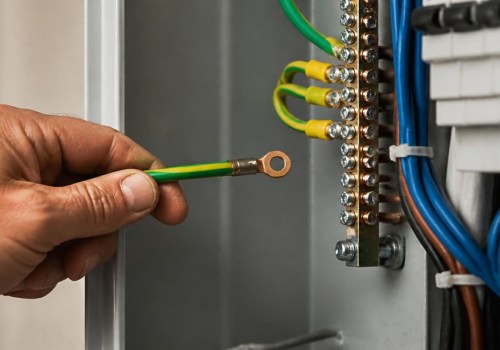
When embarking on any electrical project, understanding electrical supplies is crucial. These supplies encompass a wide range of materials and components that are essential for ensuring safety, efficiency, and functionality in electrical installations. From wires and connectors to conduits and circuit breakers, each element plays a significant role in the overall performance of your electrical system. Choosing the right supplies not only affects the immediate success of your project but also its long-term reliability. The importance of electrical supplies cannot be overstated.
They serve as the backbone of any electrical system, providing the necessary infrastructure to safely conduct electricity. For instance, selecting the appropriate conduit is vital for protecting wiring from physical damage and environmental factors. This decision impacts not just the safety of your installation but also compliance with local building codes and regulations. Moreover, understanding the various types of electrical supplies available can empower you to make informed choices tailored to your specific project needs. Whether you are working on residential wiring, commercial installations, or industrial applications, knowing the differences between materials like PVC, EMT, or flexible conduits can significantly influence your project's outcome.
As we delve deeper into the selection process for conduits, it’s essential to keep in mind how these supplies integrate into the larger framework of your electrical work.
What is Conduit and Why is it Used?
Conduit is a protective tube or channel used to house electrical wiring. It serves as a safeguard against physical damage, moisture, and other environmental factors that could compromise the integrity of electrical systems. By providing a structured pathway for wires, conduit not only enhances safety but also contributes to the overall organization of electrical installations.The primary purpose of conduit is to protect electrical conductors from external elements and accidental contact. This is particularly important in areas where wiring may be exposed to harsh conditions or where there is a risk of mechanical injury.Additionally, conduit helps in maintaining compliance with local electrical codes, ensuring that installations are safe and reliable.
Types of Conduit
- Rigid Metal Conduit (RMC): Made from galvanized steel, RMC is highly durable and provides excellent protection against physical damage. It is often used in industrial settings.
- Intermediate Metal Conduit (IMC): Lighter than RMC but still offers robust protection, IMC is suitable for both indoor and outdoor applications.
- Electrical Metallic Tubing (EMT): This thin-walled metal conduit is easy to install and is commonly used in commercial buildings. It provides good protection while being lightweight.
- PVC Conduit: Made from plastic, PVC conduit is resistant to corrosion and moisture, making it ideal for underground installations or areas exposed to water.
- Flexible Conduit: This type allows for easy bending and maneuvering around obstacles, making it useful in tight spaces or where flexibility is required.
Types of Conduit Available in Electrical Supplies
When selecting the right type of conduit for your electrical project, it’s essential to understand the various options available in electrical supplies.Each type of conduit has unique characteristics that make it suitable for specific applications.
PVC Conduit
PVC conduit (Polyvinyl Chloride) is a popular choice due to its lightweight nature and resistance to moisture and corrosion. It is ideal for outdoor installations and areas where exposure to water is a concern. PVC is also non-conductive, making it a safe option for electrical wiring. However, it is not suitable for high-temperature environments.EMT Conduit
EMT conduit (Electrical Metallic Tubing) is made of thin-walled steel and is often used in commercial and industrial settings.Its strength provides excellent protection for electrical wires, and it can be easily bent to fit various configurations. EMT is also cost-effective and can be painted to match the surrounding environment, but it requires grounding due to its metallic nature.
Flexible Conduit
Flexible conduit offers versatility in installations where movement or vibration may occur. This type of conduit can be easily maneuvered around obstacles, making it perfect for tight spaces or areas that require frequent adjustments. Flexible conduits are available in both metallic and non-metallic options, providing choices based on the specific needs of your project.Rigid Conduit
Rigid conduit, typically made from steel or aluminum, provides maximum protection for electrical wiring.It is ideal for high-impact environments and can withstand harsh conditions. While installation may require more effort due to its inflexibility, the durability of rigid conduit makes it a reliable choice for long-term applications.In summary, understanding the different types of conduits available in electrical supplies—PVC, EMT, flexible, and rigid—will help you make an informed decision based on your project's specific requirements. Consider factors such as environmental conditions, installation ease, and protection needs when choosing the right conduit type.
Factors to Consider When Choosing Conduit
When it comes to choosing conduit for your electrical project, several key factors must be taken into account to ensure safety, efficiency, and compliance with local codes. Understanding these conduit selection criteria can help you make an informed decision.- Environmental Conditions: Consider the environment where the conduit will be installed.
If the area is exposed to moisture, chemicals, or extreme temperatures, you may need a conduit that offers enhanced protection, such as PVC or fiberglass. For outdoor installations, ensure the conduit is rated for UV exposure.
- Installation Location: The location of the installation plays a crucial role in conduit selection. For indoor applications, EMT (Electrical Metallic Tubing) is often preferred due to its durability and ease of installation. In contrast, for underground installations, rigid PVC or HDPE conduits are typically recommended due to their resistance to corrosion and moisture.
- Project Requirements: Assess the specific requirements of your project.
This includes the type of wiring being used, the number of conductors, and any future expansion plans. For example, if you anticipate needing additional wiring in the future, consider using a larger diameter conduit to accommodate this growth.
- Compliance with Codes: Always check local building codes and regulations when selecting conduit. Different regions may have specific requirements regarding materials and installation methods that must be adhered to for safety and legal compliance.
Common Applications for Different Types of Conduit
Choosing the right type of conduit for your electrical project is crucial, as different conduits serve specific purposes and environments. Here are some common applications for various types of conduits:- Rigid Metal Conduit (RMC): Ideal for outdoor installations and areas exposed to physical damage, RMC is often used in industrial settings.
For example, it is commonly found in factories where heavy machinery operates, providing robust protection for electrical wiring.
- Intermediate Metal Conduit (IMC): Lighter than RMC but still durable, IMC is suitable for both indoor and outdoor applications. It is frequently used in commercial buildings, such as shopping malls, where it can be installed in ceilings to protect wiring from potential hazards.
- PVC Conduit: This non-metallic option is perfect for underground installations or areas with high moisture levels. PVC conduit is often used in residential projects, such as running electrical lines to outdoor lighting or garden features.
- Flexible Metal Conduit (FMC): Known for its adaptability, FMC is ideal for tight spaces and areas requiring movement. It’s commonly used in commercial kitchens or manufacturing plants where equipment may need to be repositioned frequently.
- Liquidtight Flexible Nonmetallic Conduit (LFNC): This type of conduit is designed for wet locations and is often used in outdoor applications, such as connecting electrical equipment to power sources in landscaping or pool installations.
Understanding these common applications will help you make informed decisions that enhance safety and efficiency in your electrical installations.
Frequently Asked Questions About Choosing Conduit
When selecting the right type of conduit for your project, several common questions arise. Here are some frequently asked questions that can help guide your decision-making process:- What are the different types of conduits available? There are several types of conduits, including PVC, EMT (Electrical Metallic Tubing), RMC (Rigid Metal Conduit), and Flexible Conduit. Each type has its own advantages and is suited for different applications.
- How do I determine the right size of conduit? The size of the conduit depends on the number and size of the wires you plan to run through it. It's essential to refer to the National Electrical Code (NEC) guidelines to ensure compliance and safety.
- Can I use PVC conduit outdoors? Yes, PVC conduit is suitable for outdoor use as it is resistant to moisture and corrosion.
However, ensure that it is rated for outdoor applications.
- What factors should I consider when choosing between rigid and flexible conduit? Rigid conduits provide better protection against physical damage and are ideal for permanent installations, while flexible conduits are easier to install in tight spaces and can accommodate movement.
- Are there specific codes or regulations I need to follow? Yes, always check local building codes and regulations, as they may have specific requirements regarding conduit types and installation practices.
Conclusion: Making an Informed Choice for Your Electrical Project
Choosing the right type of conduit for your electrical project is crucial for ensuring safety, efficiency, and compliance with local codes. Throughout this article, we have explored various types of conduits available in electrical supplies, including PVC, EMT, and flexible conduits, each with its unique advantages and applications.As you finalize your decision, consider the following key points:- Project Environment: Assess whether your project will be indoors or outdoors, as well as the potential exposure to moisture, chemicals, or physical damage. This will help determine the most suitable conduit material.
- Installation Method: Think about how you plan to install the conduit.
Some materials are easier to work with than others, especially in tight spaces or complex layouts.
- Local Codes and Regulations: Always check local building codes and regulations to ensure that your chosen conduit meets safety standards. Compliance is not just a legal requirement; it also protects you and others from potential hazards.
- Future Needs: Consider any future expansions or modifications to your electrical system. Choosing a conduit that allows for easy upgrades can save time and money down the line.