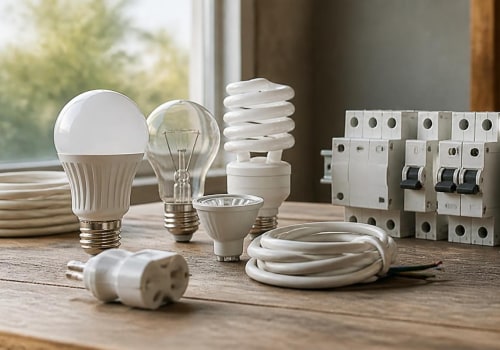
In today's world, where energy consumption is a growing concern, energy-efficient electrical supplies have emerged as a vital solution for both residential and commercial settings. These supplies are designed to use less energy while maintaining the same level of performance, making them an essential component in the quest for sustainability. By understanding what constitutes energy-efficient electrical supplies, we can appreciate their role in reducing our carbon footprint and lowering utility bills. At their core, energy-efficient electrical supplies include a range of products such as LED lighting, Energy Star-rated appliances, and smart home devices that optimize energy use. The significance of these supplies extends beyond mere cost savings; they contribute to a larger movement towards environmental responsibility.
As consumers become more aware of their energy consumption patterns, the demand for these innovative solutions continues to rise. The benefits of adopting energy-efficient supplies are manifold. Not only do they help in reducing energy costs, but they also enhance the overall quality of life by providing better lighting and improved appliance performance. Furthermore, many energy-efficient products are designed with longevity in mind, which means fewer replacements and less waste over time. As we delve deeper into the advantages of these supplies, it becomes clear that they are not just a trend but a necessary shift towards a more sustainable future.
Cost Savings Over Time
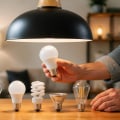
Investing in energy-efficient electrical supplies can lead to substantial cost savings over time, making it a wise choice for both residential and commercial users.By utilizing these advanced technologies, consumers can significantly reduce electricity bills, which is particularly beneficial in an era of rising energy costs.For instance, switching to LED lighting from traditional incandescent bulbs can result in savings of up to 80% on lighting costs. According to the U.S. Department of Energy, if every American home replaced just one light bulb with an ENERGY STAR® certified bulb, the collective savings would exceed $4 billion annually in energy costs.Moreover, energy-efficient appliances, such as refrigerators and washing machines, are designed to use less electricity while maintaining performance. These appliances often come with a higher upfront cost; however, their long-term savings can be significant.
For example, an ENERGY STAR® certified refrigerator can save a household approximately $200 over its lifetime compared to a non-certified model.In addition to appliances and lighting, energy-efficient electrical supplies also include smart thermostats and power strips that help manage energy consumption more effectively. Smart thermostats can learn your schedule and adjust heating and cooling accordingly, leading to further reductions in energy usage and costs.
Key Benefits of Energy-Efficient Electrical Supplies:
- Lower Utility Bills: Consistent savings on monthly electricity expenses.
- Increased Lifespan: Many energy-efficient products have longer lifespans, reducing replacement costs.
- Tax Incentives: Some energy-efficient upgrades may qualify for tax credits or rebates.
- Environmental Impact: Reduced energy consumption contributes to lower carbon footprints.
Environmental Impact and Sustainability
Using energy-efficient electrical supplies significantly contributes to a healthier environment and promotes sustainability. These supplies are designed to consume less energy while providing the same level of performance as their traditional counterparts.This reduction in energy consumption leads to a decrease in greenhouse gas emissions, which is crucial for combating climate change.One of the primary environmental benefits of energy-efficient supplies is their ability to help reduce the overall carbon footprint. By utilizing products such as LED lighting, Energy Star-rated appliances, and high-efficiency HVAC systems, households and businesses can lower their energy usage. This not only results in lower utility bills but also minimizes the demand for energy production, which is often reliant on fossil fuels.Moreover, the adoption of sustainable electrical supplies fosters a circular economy. Many energy-efficient products are designed with recyclable materials and can be repurposed at the end of their life cycle.
This reduces waste in landfills and encourages responsible consumption practices.In addition to reducing carbon emissions, energy-efficient electrical supplies also contribute to improved air quality. By decreasing reliance on fossil fuels, we can reduce pollutants that contribute to smog and respiratory issues. This is particularly important in urban areas where air quality can be severely impacted by industrial emissions and vehicle exhaust.In summary, the environmental impact of using energy-efficient electrical supplies is profound. From lowering carbon footprints to enhancing air quality and promoting sustainability, these products play a vital role in creating a more sustainable future for our planet.
Improved Performance and Reliability
When it comes to energy-efficient electrical supplies, one of the most significant advantages is their enhanced performance.These products are designed with advanced technology that not only reduces energy consumption but also optimizes functionality. For instance, energy-efficient lighting solutions, such as LED bulbs, provide brighter illumination while using a fraction of the energy compared to traditional incandescent bulbs. This means that users can enjoy superior lighting quality without incurring high electricity costs.Moreover, the reliability of efficient supplies cannot be overstated. Many energy-efficient products are built to last longer than their conventional counterparts.
For example, energy-efficient appliances often come with better warranties and are less prone to breakdowns, which translates to fewer repairs and replacements over time. This reliability is crucial for both residential and commercial settings where downtime can lead to significant losses.In addition to performance and reliability, using efficient products can lead to improved user experience. With features like smart technology integration, many energy-efficient electrical supplies allow for greater control and customization. Users can adjust settings remotely or automate functions based on their preferences, enhancing convenience and satisfaction.Furthermore, the long-term cost savings associated with these products contribute to their overall value.
While the initial investment may be higher, the reduction in energy bills and maintenance costs makes them a wise choice in the long run. In summary, opting for energy-efficient electrical supplies not only boosts performance and reliability but also enriches the overall user experience while promoting sustainability.
Government Incentives and Rebates
As the demand for energy-efficient electrical supplies continues to rise, many consumers are unaware of the various government incentives and rebates available to them. These financial benefits not only help reduce the initial costs associated with purchasing energy-efficient products but also encourage a more sustainable lifestyle.Many federal, state, and local governments offer programs designed to promote energy efficiency. These programs can include:- Tax Credits: Some energy-efficient products qualify for tax credits, allowing consumers to deduct a portion of the purchase price from their taxable income.
- Rebates: Utility companies often provide rebates for customers who purchase energy-efficient appliances or electrical supplies.
These rebates can significantly lower the overall cost of these products.
- Grants and Financial Assistance: Certain programs offer grants or low-interest loans to help cover the costs of upgrading to energy-efficient systems.
It’s advisable for consumers to check with their local utility providers or state energy offices to discover what specific programs are available.By taking advantage of these financial assistance options, consumers not only save money but also contribute to a larger goal of reducing energy consumption and promoting environmental sustainability. Investing in energy-efficient electrical supplies is not just a smart financial decision; it’s also a step towards a greener future.
Technological Advancements in Energy Efficiency
In recent years, the landscape of energy-efficient electrical supplies has been transformed by significant technological advancements. These innovations not only enhance the performance of electrical products but also contribute to substantial energy savings, making them a smart choice for both consumers and businesses.One of the most notable trends is the rise of smart electrical products. These devices utilize advanced sensors and connectivity features to optimize energy usage.For instance, smart thermostats can learn user behavior and adjust heating and cooling systems accordingly, leading to reduced energy consumption without sacrificing comfort.Another area of innovation is in LED lighting technology. Modern LED bulbs are now available with adjustable brightness and color temperature settings, allowing users to customize their lighting while consuming significantly less energy compared to traditional incandescent bulbs. This not only lowers electricity bills but also extends the lifespan of the lighting fixtures.
- Energy Star Certification: Many new electrical supplies come with Energy Star ratings, ensuring they meet strict energy efficiency guidelines set by the EPA.
- Smart Power Strips: These devices can detect when electronics are in standby mode and cut off power, preventing phantom energy loss.
- High-Efficiency Appliances: Innovations in appliance design have led to models that use less water and electricity while maintaining high performance.
With ongoing research and development, we can expect even more innovative solutions that will help reduce our carbon footprint while providing reliable and efficient electrical services.
FAQs About Energy-Efficient Electrical Supplies
When considering energy-efficient electrical supplies, many people have questions that can help clarify their benefits and dispel common misconceptions. Here are some frequently asked questions:- What are energy-efficient electrical supplies?
Energy-efficient electrical supplies refer to products designed to use less energy while providing the same level of performance as traditional options. This includes items like LED light bulbs, Energy Star-rated appliances, and smart thermostats. - How do energy-efficient products save money?
By consuming less electricity, energy-efficient electrical supplies can significantly reduce utility bills. Although the initial investment may be higher, the long-term savings on energy costs often outweigh these upfront expenses. - Are energy-efficient products less powerful?
A common misconception is that energy-efficient products are inferior in performance.In reality, many of these products are designed to deliver equal or even superior performance compared to their traditional counterparts while using less energy.
- Do energy-efficient electrical supplies require special installation?
Most energy-efficient products can be installed using standard procedures. However, some advanced systems, like smart home devices, may require additional setup or integration with existing systems. - Can I use energy-efficient supplies in older homes?
Yes! Many energy-efficient electrical supplies can be used in older homes. However, it’s essential to ensure that your home’s wiring and infrastructure can support these modern technologies.
Conclusion: Embracing Energy Efficiency for a Better Future
In conclusion, the shift towards energy-efficient electrical supplies is not just a trend; it is a necessary step towards a sustainable future.By adopting these technologies, individuals and businesses can experience significant financial savings while simultaneously contributing to the health of our planet. Throughout this article, we have explored various benefits of using energy-efficient electrical supplies, including:
- Cost Savings: Energy-efficient products often lead to lower utility bills, allowing consumers to save money over time.
- Environmental Impact: Reducing energy consumption helps decrease greenhouse gas emissions, making a positive contribution to combating climate change.
- Enhanced Performance: Many energy-efficient electrical supplies offer improved performance and longevity compared to their traditional counterparts.
- Incentives and Rebates: Numerous programs exist that provide financial incentives for switching to energy-efficient options, further enhancing the economic benefits.
Let us commit to making smarter choices that will benefit both ourselves and future generations.