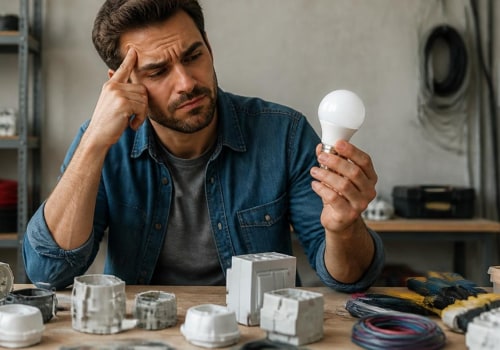
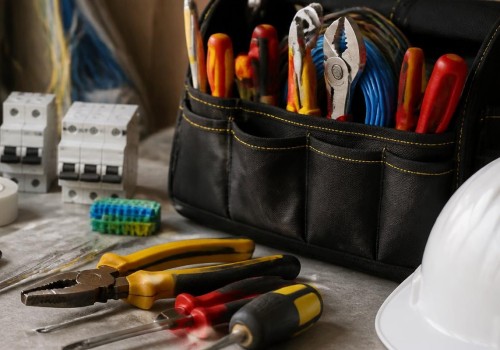
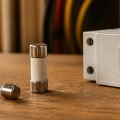
Understanding electrical supplies is crucial for anyone involved in electrical work, whether you're a seasoned electrician or a DIY enthusiast. These supplies encompass a wide range of components, including wires, connectors, circuit breakers, and switches, all of which play a vital role in the safe and efficient distribution of electricity. Without the right electrical supplies, even the most well-planned electrical projects can face significant challenges. There are various types of electrical supplies, each designed for specific applications. For instance, wiring is essential for connecting different parts of an electrical system, while circuit breakers protect against overloads and short circuits.
Additionally, connectors ensure secure connections between wires and devices, preventing potential hazards. Understanding these components not only helps in selecting the right materials but also aids in troubleshooting issues that may arise during installation or maintenance. The importance of electrical supplies cannot be overstated. They are the backbone of any electrical system, ensuring that power is delivered safely and reliably to homes, businesses, and industrial settings. Proper knowledge of these supplies allows individuals to identify potential problems early on, leading to more effective troubleshooting and maintenance strategies.
As we delve deeper into common issues associated with electrical supplies, having a solid grasp of their functions and types will empower you to tackle challenges with confidence.
Common Issues with Electrical Supplies
When dealing with electrical supplies, several common issues can arise that may hinder performance or safety. Understanding these problems is essential for effective troubleshooting.1.Shortages
One of the most frequent issues is a shortage of electrical supply, which can occur due to:- Overloading: Connecting too many devices to a single circuit can lead to insufficient power supply.
- Faulty wiring: Damaged or outdated wiring can restrict the flow of electricity.
- Inadequate circuit breakers: If circuit breakers are not rated for the load, they may trip frequently, causing interruptions.
2.Surges
Electrical surges can also pose significant problems, often resulting from:- Lightning strikes: A direct hit or nearby strike can cause a sudden spike in voltage.
- Power outages: When power is restored, it can lead to a surge that damages sensitive equipment.
- Appliance cycling: Large appliances turning on and off can create fluctuations in electrical supply.
3.Compatibility Issues
Another common problem involves compatibility between different electrical supplies. This can manifest as:- Mismatched voltage ratings: Using devices with different voltage requirements can lead to malfunction or damage.
- Incompatible connectors: Not all connectors fit all devices, which can result in poor connections or short circuits.
Additionally, using surge protectors and ensuring compatibility between devices will safeguard your electrical supplies.
Identifying Electrical Supply Problems
Identifying issues with electrical supplies is crucial for maintaining safety and functionality in your home or workplace. Recognizing the signs of electrical supply problems early can prevent more severe issues down the line. Here are some common indicators to look out for:- Flickering Lights: If your lights flicker or dim unexpectedly, it may indicate a problem with the electrical supply or wiring.
- Tripped Circuit Breakers: Frequent tripping of circuit breakers can signal an overload or a fault in the electrical system.
- Burning Smell: A burning odor near outlets or appliances is a serious warning sign that should not be ignored.
- Hot Outlets: If an outlet feels warm to the touch, it could indicate a wiring issue or overloaded circuit.
- Buzzing Sounds: Unusual sounds coming from outlets or switches may suggest loose connections or faulty wiring.
- Visual Inspection: Start with a thorough visual inspection of your electrical supplies. Look for frayed wires, scorch marks, or any signs of damage around outlets and switches.
- Voltage Tester: Use a voltage tester to check if outlets are providing the correct voltage.
This tool can help identify if there’s an issue with the supply.
- Multimeter: A multimeter can measure voltage, current, and resistance. It’s essential for diagnosing more complex electrical issues.
Troubleshooting Techniques for Electrical Supplies
Troubleshooting issues with electrical supplies can seem daunting, but with a systematic approach, you can identify and resolve many common problems. Here’s a step-by-step guide to help you navigate through typical electrical supply issues.- Identify the Problem: Start by determining the specific issue.
Is there no power to an outlet? Are lights flickering? Understanding the symptoms will guide your troubleshooting process.
- Check the Circuit Breaker: Often, the first step in troubleshooting is to inspect your circuit breaker panel. Look for any tripped breakers and reset them if necessary. If a breaker trips again, it may indicate an underlying issue that needs further investigation.
- Inspect Outlets and Switches: Examine the outlets and switches for any visible damage or signs of wear. If an outlet is warm to the touch or has a burning smell, it should be addressed immediately by a professional.
- Test with a Multimeter: Use a multimeter to check for voltage at outlets and switches.
This tool can help you determine if power is reaching these points. If there’s no voltage, trace back to the circuit breaker or wiring.
- Examine Wiring Connections: Loose or corroded connections can lead to intermittent power issues. Carefully inspect wiring connections in junction boxes and at outlets. Ensure all connections are secure and free from corrosion.
- Look for Overloaded Circuits: If multiple devices are connected to a single circuit, it may become overloaded.
Distributing devices across different circuits can alleviate this issue.
- Consult Professional Help: If you’ve gone through these steps and still face issues, it’s time to call in a licensed electrician. They have the expertise to diagnose complex problems safely.
Safety Precautions When Dealing with Electrical Supplies
When working with electrical supplies, safety should always be your top priority. Understanding and implementing proper safety precautions can significantly reduce the risk of accidents and injuries.Here are some essential safety tips to keep in mind:
- Always turn off power: Before starting any work, ensure that the power is turned off at the circuit breaker. Use a voltage tester to confirm that the circuit is de-energized.
- Use insulated tools: When handling electrical supplies, always use tools with insulated handles. This helps prevent accidental shocks.
- Wear appropriate personal protective equipment (PPE): Equip yourself with safety goggles, gloves, and non-conductive footwear to protect against electrical hazards.
- Keep your workspace dry: Water is a conductor of electricity. Ensure that your work area is dry and free from moisture to minimize the risk of shock.
- Avoid overloading circuits: Be mindful of the load on electrical circuits.
Overloading can lead to overheating and potential fires.
- Store supplies properly: Keep all electrical supplies organized and stored in a safe place, away from children and pets. Ensure that cables are not frayed or damaged before use.
- Follow manufacturer instructions: Always read and adhere to the instructions provided by manufacturers for any electrical products or supplies you are using.
When to Call a Professional Electrician
While many electrical issues can be resolved with basic troubleshooting, there are certain situations where it is crucial to call a professional electrician. Understanding when to seek expert help can prevent accidents and ensure the safety of your home.Signs You Need a Professional Electrician
- Frequent Circuit Breaker Trips: If your circuit breaker trips often, it may indicate an overloaded circuit or a more serious wiring issue that requires professional assessment.
- Flickering or Dimming Lights: Lights that flicker or dim unexpectedly can signal a problem with the electrical supply or faulty wiring, which should be inspected by an expert.
- Burning Smell or Sparks: Any burning smell or visible sparks from outlets or switches is a serious warning sign.
This could indicate overheating wires or faulty connections, necessitating immediate professional intervention.
- Old Wiring: Homes with outdated wiring systems may not meet current safety standards. If your home is older and you experience electrical issues, it’s wise to consult a professional for an upgrade.
- Electrical Shocks: If you experience mild shocks when touching appliances or switches, this is a clear indication of improper grounding or other serious issues that require a licensed electrician.
When to Hire an Electrician
If you find yourself facing any of the above signs, it’s time to hire a professional. Additionally, consider reaching out for help in the following scenarios:- Major Renovations: When undertaking significant home renovations that involve electrical work, hiring an electrician ensures compliance with local codes and safety standards.
- Installing New Appliances: Large appliances often require dedicated circuits. A professional can ensure proper installation and avoid overloading existing circuits.
- Complex Electrical Systems: If your home has complex electrical systems such as smart home technology, it’s best to consult an expert for installation and troubleshooting.
When in doubt, always prioritize safety and seek the expertise of a qualified electrician to handle any significant electrical issues.
Frequently Asked Questions about Electrical Supplies Troubleshooting
When it comes to troubleshooting electrical supplies, many users have similar questions. Here are some frequently asked questions that can help clarify common issues:- What should I do if my electrical supply is inconsistent?
Inconsistent electrical supply can be caused by various factors, including overloaded circuits or faulty wiring. Start by checking your circuit breakers and ensuring they are not tripped. If the problem persists, consider consulting a licensed electrician to inspect your wiring. - How can I identify faulty electrical supplies?
Look for signs such as flickering lights, tripped breakers, or unusual smells from outlets.If you notice any of these symptoms, it may indicate a problem with your electrical supplies. Testing devices like multimeters can also help identify voltage irregularities.
- What are the common causes of electrical supply failures?
Common causes include damaged wiring, overloaded circuits, and faulty appliances. Regular maintenance and inspections can help prevent these issues from arising. - Is it safe to troubleshoot electrical supplies myself?
While some minor troubleshooting tasks can be performed safely by homeowners, such as resetting circuit breakers, more complex issues should be handled by professionals. Always prioritize safety and consult an electrician when in doubt.
Remember that safety is paramount; when in doubt, seek professional assistance.
Conclusion: Key Takeaways on Troubleshooting Electrical Supplies
In conclusion, troubleshooting common issues with electrical supplies is essential for maintaining safety and efficiency in any electrical system. By understanding the typical problems that can arise, you can take proactive steps to address them before they escalate into more significant issues. Here are the key takeaways to remember:- Identify Symptoms: Recognizing the signs of malfunction, such as flickering lights or tripped breakers, is the first step in troubleshooting.
- Check Connections: Loose or corroded connections can lead to poor performance. Regularly inspect and tighten connections to ensure optimal functionality.
- Use the Right Tools: Having the appropriate tools, such as multimeters and circuit testers, can help you diagnose issues accurately and safely.
- Follow Safety Protocols: Always prioritize safety by turning off power at the circuit breaker before inspecting or repairing any electrical supplies.
- Consult Professionals: If you encounter complex issues or feel uncertain about your troubleshooting skills, don’t hesitate to seek help from a licensed electrician.