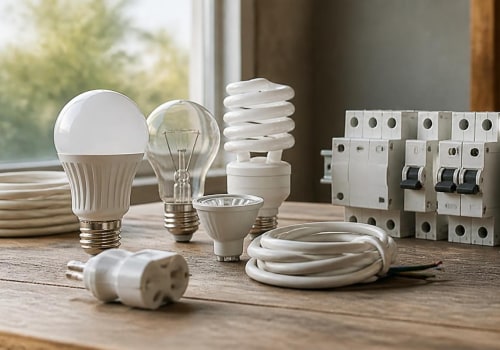
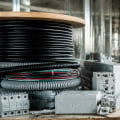
In the realm of electrical supplies, understanding the role of a circuit breaker is crucial for both safety and functionality. A circuit breaker serves as an essential component in electrical systems, acting as a safeguard against overloads and short circuits. By automatically interrupting the flow of electricity when it detects an anomaly, circuit breakers protect not only the wiring and devices connected to the circuit but also the individuals who use them. The purpose of a circuit breaker extends beyond mere interruption; it plays a vital role in maintaining electrical safety. In homes and commercial buildings alike, these devices are designed to prevent potential hazards such as electrical fires or equipment damage.
When a fault occurs, the circuit breaker responds swiftly, ensuring that the electrical supply is cut off before any significant harm can occur. This proactive measure is what makes circuit breakers indispensable in modern electrical systems. As we delve deeper into the functions and importance of circuit breakers, it becomes evident that they are not just passive components but active guardians of our electrical infrastructure. Understanding their purpose helps us appreciate how they contribute to the overall reliability and safety of electrical supplies. Whether you are a homeowner looking to enhance your electrical safety or a professional in the field, grasping the significance of circuit breakers is essential for effective electrical management.
What is a Circuit Breaker?
A circuit breaker is a crucial component in electrical supplies, designed to protect electrical circuits from damage caused by overloads or short circuits.It acts as an automatic switch that interrupts the flow of electricity when it detects a fault, thereby preventing potential hazards such as fires or equipment damage.The primary components of a circuit breaker include:
- Switching Mechanism: This is the part that opens or closes the circuit. It can be operated manually or automatically.
- Sensing Element: This component detects abnormal conditions, such as excessive current flow.
- Trip Unit: When the sensing element identifies a fault, the trip unit activates the switching mechanism to break the circuit.
- Arc Extinguisher: This helps to extinguish the electrical arc that forms when the circuit is interrupted.
- Miniature Circuit Breakers (MCBs): These are used for low voltage applications and protect against overloads and short circuits.
- Molded Case Circuit Breakers (MCCBs): Suitable for medium voltage applications, MCCBs provide protection against overloads and short circuits with adjustable settings.
- Earth Leakage Circuit Breakers (ELCBs): These are designed to prevent electric shock by detecting earth faults and disconnecting the circuit.
- Residual Current Circuit Breakers (RCCBs): Similar to ELCBs, RCCBs monitor the balance of electrical current and trip when an imbalance occurs, indicating a leakage current.
The Purpose of Circuit Breakers in Electrical Supplies
A circuit breaker serves as a crucial component in the realm of electrical supplies, primarily designed to protect electrical circuits from damage caused by overloads and short circuits. When the current flowing through a circuit exceeds its safe limit, the circuit breaker automatically interrupts the flow of electricity, thereby preventing potential hazards.One of the main purposes of a circuit breaker is to enhance electrical safety.By cutting off the electrical supply during abnormal conditions, it significantly reduces the risk of electrical fires, which can occur due to overheating wires or faulty appliances. This safety mechanism is essential in both residential and commercial settings, where the consequences of electrical failures can be devastating.In addition to preventing fires, circuit breakers also protect sensitive electronic devices from damage. Many modern appliances and electronics are designed to operate within specific voltage ranges. A sudden surge in electricity can not only disrupt their functionality but also lead to permanent damage.
Circuit breakers act as a safeguard, ensuring that these devices remain operational and safe.Furthermore, circuit breakers are equipped with various features that enhance their effectiveness:
- Manual Reset: After tripping, most circuit breakers can be easily reset, allowing for quick restoration of power without needing to replace fuses.
- Ground Fault Protection: Some circuit breakers include ground fault circuit interrupters (GFCIs) that detect imbalances in electrical flow, providing an additional layer of safety against electric shocks.
- Surge Protection: Certain models offer surge protection capabilities, shielding your home or business from voltage spikes caused by lightning or other disturbances.
How Circuit Breakers Work
A circuit breaker is a crucial component in the realm of electrical supplies, designed to protect electrical circuits from damage caused by overloads or short circuits. Understanding how circuit breakers work involves delving into their internal mechanisms and the processes they employ to ensure safety.At its core, a circuit breaker functions by monitoring the flow of electricity through a circuit. When the current exceeds a predetermined limit, indicating a potential fault, the circuit breaker activates its mechanism to interrupt the flow of electricity.This interruption is vital for preventing overheating and potential fires.
Detection Mechanisms
Circuit breakers utilize two primary methods for detecting faults:- Thermal Detection: This method relies on a bimetallic strip that bends when heated by excessive current. Once it bends sufficiently, it triggers the mechanism to open the circuit.
- Magnetic Detection: In this approach, an electromagnetic coil generates a magnetic field that pulls a lever to trip the breaker when current surges beyond safe levels.
- Tripping Mechanism: A spring-loaded mechanism that physically moves the contacts apart, stopping the flow of electricity.
- Reset Functionality: After addressing the underlying issue, users can reset most circuit breakers manually or automatically, restoring power without needing to replace any components.
Types of Circuit Breakers Used in Electrical Supplies
Understanding the different types of circuit breakers is essential for ensuring the safety and efficiency of electrical supplies in both residential and commercial settings.Each type serves a specific purpose and is designed to protect electrical systems from overloads, short circuits, and ground faults.
Standard Circuit Breakers
Standard circuit breakers are the most common type found in homes and businesses. They automatically interrupt the flow of electricity when they detect an overload or short circuit. These breakers are typically rated for specific amperages, allowing them to handle various electrical loads.Ground Fault Circuit Interrupters (GFCI)
GFCI breakers are crucial for areas where water and electricity may come into contact, such as kitchens, bathrooms, and outdoor outlets. They monitor the current flowing through the circuit and can quickly shut off power if they detect any imbalance, which could indicate a ground fault.This feature significantly reduces the risk of electrical shock.
Arc Fault Circuit Interrupters (AFCI)
AFCI breakers are designed to prevent electrical fires caused by arc faults, which occur when there is a break in the electrical current. These breakers are particularly important in residential settings, as they can detect dangerous arcing conditions that standard breakers might miss.Residential vs. Commercial Circuit Breakers
The choice between residential and commercial circuit breakers often depends on the specific needs of the electrical system:- Residential Circuit Breakers: Typically rated for lower amperages (15-20 amps) and designed for household appliances and lighting.
- Commercial Circuit Breakers: Generally rated for higher amperages (up to 600 amps or more) to accommodate larger equipment and machinery used in commercial settings.
Benefits of Using Circuit Breakers in Electrical Systems
Incorporating circuit breakers into your electrical supplies offers numerous advantages that enhance the overall safety and efficiency of electrical systems.Here are some key benefits:
- Increased Safety: Circuit breakers are designed to automatically interrupt the flow of electricity in the event of an overload or short circuit. This feature significantly reduces the risk of electrical fires and equipment damage, providing peace of mind for homeowners and businesses alike.
- Convenience: Unlike traditional fuses that need to be replaced after they blow, circuit breakers can be easily reset with a simple switch. This convenience minimizes downtime and allows for quick restoration of power, making them ideal for both residential and commercial applications.
- Cost-Effectiveness: While the initial investment in circuit breakers may be higher than fuses, their long-term benefits outweigh the costs. Circuit breakers reduce the need for frequent replacements and repairs, ultimately saving money on maintenance and replacement parts.
- Enhanced Control: Many modern circuit breakers come equipped with advanced features such as ground fault protection and arc fault detection.
These technologies provide additional layers of safety by identifying specific electrical issues that could lead to hazards.
- Scalability: As electrical demands grow, circuit breakers can be easily added or upgraded to accommodate new appliances or systems. This flexibility makes them a smart choice for evolving electrical needs.
Common Issues with Circuit Breakers and Troubleshooting Tips
Circuit breakers are essential components in electrical supplies, but they can encounter various issues that may disrupt their functionality. Understanding these common problems and knowing how to troubleshoot them can save homeowners and electricians time and money.Common Circuit Breaker Issues
- Tripping Breakers: One of the most frequent issues is a breaker that trips frequently.
This can be caused by overloaded circuits, short circuits, or ground faults.
- Breaker Won't Reset: If a circuit breaker won’t reset, it may indicate a more serious problem, such as a fault in the wiring or a malfunctioning breaker.
- Physical Damage: Inspect for any visible signs of damage, such as burn marks or cracks on the breaker itself, which can compromise its performance.
- No Power to Outlets: If certain outlets are not receiving power, it could be due to a tripped breaker or a blown fuse in the panel.
Troubleshooting Tips
- Identify the Cause: Start by determining what caused the breaker to trip. Unplug devices on the affected circuit and try resetting the breaker.
- Check for Overloads: Ensure that the total load on the circuit does not exceed its capacity. If necessary, redistribute devices across different circuits.
- Inspect Wiring: Look for any signs of wear or damage in the wiring connected to the circuit. If you find any issues, consult a professional electrician.
- Replace Faulty Breakers: If a breaker continues to trip or won’t reset after troubleshooting, it may need to be replaced.
Always turn off power before attempting any repairs.
FAQs About Circuit Breakers and Electrical Supplies
Understanding circuit breakers is essential for anyone dealing with electrical supplies. Here are some frequently asked questions that can help clarify their purpose and functionality.What is a circuit breaker?
A circuit breaker is an automatic switch designed to protect an electrical circuit from damage caused by overload or a short circuit. It interrupts the flow of electricity when it detects a fault, preventing potential hazards such as fires or equipment damage.How does a circuit breaker work?
Circuit breakers operate by monitoring the current flowing through the circuit. When the current exceeds a predetermined limit, the breaker trips, cutting off the electrical supply.This mechanism can be reset manually once the issue has been resolved.
Why are circuit breakers important in electrical supplies?
- Safety: They prevent electrical fires and equipment damage by interrupting excessive current flow.
- Convenience: Unlike fuses, which need to be replaced after blowing, circuit breakers can be reset easily.
- Cost-effective: They reduce the risk of costly repairs and replacements due to electrical failures.
What are the different types of circuit breakers?
Circuit breakers come in various types, including:- Standard Circuit Breakers: Used in most residential applications.
- Ground Fault Circuit Interrupters (GFCI): Protect against ground faults, commonly used in wet areas like kitchens and bathrooms.
- Arc Fault Circuit Interrupters (AFCI): Designed to prevent fires caused by arcing faults.
How often should I check my circuit breakers?
It is advisable to inspect your circuit breakers at least once a year. Look for signs of wear or damage, and ensure they are functioning correctly. If you notice frequent tripping, it may indicate an underlying issue that needs professional attention.By understanding these aspects of circuit breakers, you can better appreciate their role in maintaining safe and reliable electrical supplies.Conclusion: The Essential Role of Circuit Breakers in Electrical Safety
In summary, the role of circuit breakers in ensuring the safety and reliability of electrical supplies cannot be overstated. These devices serve as the first line of defense against electrical faults, protecting both people and property from potential hazards.Throughout this article, we have explored several key functions of circuit breakers:- Overcurrent Protection: Circuit breakers automatically interrupt the flow of electricity when they detect an overload or short circuit, preventing overheating and potential fires.
- Fault Isolation: By isolating faulty circuits, circuit breakers help maintain the integrity of the overall electrical system, allowing unaffected areas to continue functioning.
- Safety Assurance: Regular testing and maintenance of circuit breakers ensure that they operate effectively, providing peace of mind for homeowners and businesses alike.
Whether it’s a residential setting or a commercial environment, understanding the unique requirements of your electrical supplies will help in choosing the most suitable circuit breaker. This choice not only enhances safety but also contributes to the longevity and efficiency of your electrical system.In conclusion, investing in quality circuit breakers is essential for anyone looking to safeguard their electrical infrastructure. By prioritizing these critical components, you are taking proactive steps towards ensuring a safe and reliable electrical supply for years to come.