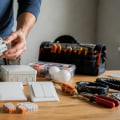
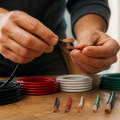
When embarking on any electrical project, understanding electrical supplies is crucial for ensuring safety and efficiency. These supplies encompass a wide range of components, including wires, connectors, circuit breakers, and tools that are essential for any wiring installation. Familiarity with these items not only aids in the successful completion of your project but also minimizes the risk of accidents and malfunctions. There are various types of electrical supplies available, each serving a specific purpose. For instance, wires come in different gauges and materials, affecting their conductivity and suitability for various applications.
Connectors are vital for joining wires securely, while circuit breakers protect your electrical system from overloads. Understanding these components will provide a solid foundation for anyone looking to undertake electrical installations. Moreover, grasping the basics of electrical installation is essential. This includes knowing how to read wiring diagrams, understanding voltage ratings, and recognizing the importance of grounding. By equipping yourself with this knowledge, you can approach your electrical projects with confidence, ensuring that you not only meet local codes but also create a safe environment for yourself and others.
Essential Tools and Materials for Electrical Wiring
When it comes to safely installing and connecting wires, having the right electrical supplies is crucial.Below is a list of essential tools and materials that will help you complete your electrical projects efficiently and safely.
Essential Tools for Electrical Wiring
- Wire Strippers: These are used to remove the insulation from electrical wires without damaging the metal conductor. A good pair of wire strippers will allow you to adjust the gauge for different wire sizes.
- Screwdrivers: A set of both flathead and Phillips screwdrivers is necessary for securing electrical connections and fixtures. Consider using insulated screwdrivers for added safety.
- Pliers: Needle-nose pliers are particularly useful for bending and twisting wires, while lineman's pliers can help with gripping and cutting.
- Voltage Tester: This tool is essential for ensuring that wires are not live before you begin working on them. It helps prevent electrical shocks and accidents.
- Cable Cutters: These are designed specifically for cutting through thicker cables, making them an important addition to your toolkit.
Materials Needed for Wiring
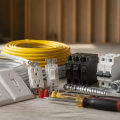
- Electrical Wire: Choose the appropriate gauge and type of wire based on your project requirements.
Common types include NM (non-metallic) cable for indoor use and UF (underground feeder) cable for outdoor applications.
- Connectors: Wire nuts, crimp connectors, and terminal blocks are essential for securely joining wires together. Make sure to select connectors that match the wire gauge.
- Electrical Tape: This is used to insulate wire connections and prevent short circuits. Opt for high-quality tape that can withstand heat and moisture.
- Outlet Boxes: These provide a safe enclosure for electrical connections and help protect wiring from damage.
Safety Precautions Before Starting Your Project
When working with electrical supplies, prioritizing safety is crucial to prevent accidents and injuries.Here are some essential electrical safety tips to consider before starting your project:
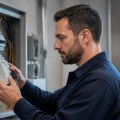
- Turn Off Power: Always ensure that the power is turned off at the circuit breaker before beginning any electrical work. Use a voltage tester to confirm that the wires are not live.
- Use Proper Tools: Invest in high-quality tools designed for electrical work. Insulated tools can help prevent accidental shocks.
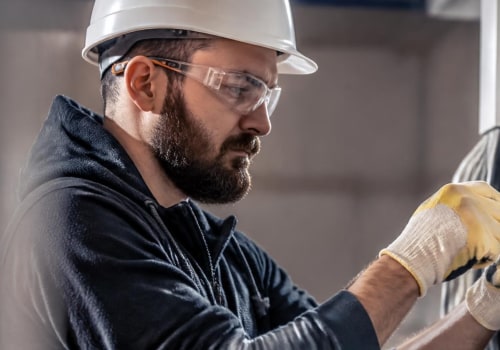
- Wear Protective Gear: Equip yourself with safety glasses, gloves, and non-conductive footwear to protect against electrical hazards.
- Work in Dry Conditions: Ensure that the area where you are working is dry. Water and electricity are a dangerous combination, so avoid working in wet environments.
- Avoid Overloading Circuits: Be mindful of the load on your circuits.
Overloading can lead to overheating and potential fires.
- Read Instructions Carefully: Always read the manufacturer’s instructions for any electrical supplies you are using. This ensures proper installation and reduces risks.
- Label Wires: When disconnecting wires, label them clearly to avoid confusion during reconnection. This practice helps maintain organization and safety.
- Keep Children and Pets Away: Ensure that children and pets are kept at a safe distance from your work area to prevent accidents.
- Know When to Call a Professional: If you feel uncertain about any aspect of your project, don’t hesitate to contact a licensed electrician.
It’s better to be safe than sorry.
Common Mistakes to Avoid When Wiring
When working with electrical supplies, avoiding common mistakes is crucial for ensuring safety and functionality. Here are some frequent wiring errors and tips on how to steer clear of them:- Neglecting to Turn Off Power: One of the most critical mistakes is forgetting to turn off the power at the circuit breaker before starting any wiring project. Always double-check that the power is off using a voltage tester.
- Using Incorrect Wire Gauge: Using a wire gauge that is too small for the current load can lead to overheating and potential fire hazards.
Always refer to the National Electrical Code (NEC) guidelines to select the appropriate wire size for your project.
- Improper Connections: Loose or poorly made connections can cause arcing, which may lead to electrical fires. Ensure that all connections are secure and use wire nuts or terminal blocks as needed.
- Overloading Circuits: Connecting too many devices to a single circuit can overload it, leading to tripped breakers or worse. Be mindful of the total load on each circuit and distribute devices accordingly.
- Ignoring Local Codes: Each locality may have specific codes regarding electrical installations. Failing to adhere to these can result in unsafe conditions and may complicate future inspections.
Always check local regulations before starting your project.
Frequently Asked Questions About Electrical Wiring
When it comes to electrical supplies and wiring installations, many homeowners and DIY enthusiasts have questions. Here are some of the most frequently asked questions:- What types of electrical supplies do I need for a basic wiring project?
For a basic wiring project, you will typically need wires, connectors, switches, and outlets.Additionally, having tools such as wire strippers, pliers, and a multimeter can be very helpful.
- How do I choose the right wire gauge?
The wire gauge you choose depends on the amount of current that will flow through it. For most household circuits, 14-gauge wire is suitable for 15-amp circuits, while 12-gauge wire is used for 20-amp circuits. Always refer to local codes and regulations. - Is it safe to connect wires without a junction box?
No, it is not safe to connect wires without a junction box. Junction boxes protect connections from physical damage and contain any potential sparks or heat generated by electrical connections. - What should I do if I encounter old wiring?
If you encounter old wiring, it’s essential to assess its condition.If the insulation is frayed or the wires are corroded, consider replacing them with modern electrical supplies. Always consult a professional if you are unsure.
Conclusion: Key Takeaways for Safe Wiring Practices
In conclusion, ensuring safety while installing and connecting wires using electrical supplies is paramount for both novice and experienced electricians. By adhering to best practices, you can significantly reduce the risk of accidents and ensure a reliable electrical system.Key Takeaways
- Always turn off the power before starting any electrical work.
This simple step can prevent serious injuries.
- Use high-quality electrical supplies that meet safety standards. Investing in reliable materials can enhance the longevity and safety of your installations.
- Familiarize yourself with local electrical codes and regulations. Compliance not only ensures safety but also protects you legally.
- Utilize proper tools and techniques for wire connections. Techniques such as twisting wires together securely and using appropriate connectors can prevent future issues.
- Consider labeling wires during installation.
This practice aids in future troubleshooting and maintenance, making it easier to identify circuits.
- If unsure about any aspect of the installation, consult a professional electrician. It’s better to seek help than to risk safety.