Understanding the lifespan of electrical supplies is crucial for anyone involved in electrical work, whether you're a homeowner, contractor, or electrician. Electrical supplies encompass a wide range of components, including wires, outlets, switches, circuit breakers, and more. Each type of supply has its own unique lifespan, influenced by factors such as usage, environmental conditions, and quality of materials. Knowing how long these components typically last can help you plan for maintenance and replacements, ensuring safety and efficiency in your electrical systems. As we delve into the various types of electrical supplies, it becomes evident that not all components are created equal.
For instance, while some wiring may last several decades under optimal conditions, other supplies like circuit breakers may require replacement every 10 to 15 years. This variability highlights the importance of regular inspections and understanding the specific electrical supply lifespan associated with each component in your system. In this article, we will explore the lifespans of different electrical supplies in detail, providing insights into how to identify when replacements are necessary. By being informed about the longevity of these essential components, you can enhance the safety and reliability of your electrical installations.
What Are Electrical Supplies?
Electrical supplies refer to a wide range of components and materials used in electrical installations and systems. These supplies are essential for the generation, distribution, and utilization of electrical energy in residential, commercial, and industrial settings.Understanding what constitutes electrical supplies is crucial for anyone involved in electrical work or maintenance.Electrical supplies can be categorized into several types, each serving a specific function:
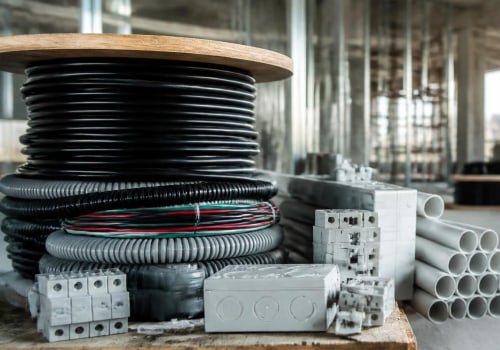
- Wiring and Cables: These are the conduits through which electricity flows. Common types include copper and aluminum wires, as well as various insulated cables designed for different applications.
- Switches and Outlets: These components control the flow of electricity to devices. They include light switches, power outlets, and specialized connectors.
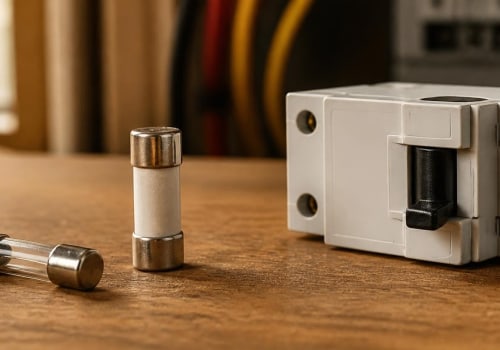
- Fuses and Circuit Breakers: These safety devices protect electrical circuits from overloads. Fuses melt to break the circuit, while circuit breakers can be reset after tripping.
- Lighting Fixtures: This category encompasses all types of lights used in homes and businesses, including LED, fluorescent, and incandescent bulbs.
- Transformers: These devices change the voltage of electricity to ensure it is suitable for various applications.
- Electrical Panels: Also known as breaker boxes, these panels distribute electricity throughout a building and house the circuit breakers.
By understanding these categories, individuals can make informed decisions regarding installation, maintenance, and replacement of electrical components.
Lifespan of Common Electrical Supplies
Understanding the lifespan of common electrical supplies is crucial for maintaining a safe and efficient electrical system in your home or business. Here’s a breakdown of the average lifespans of various electrical components:- Electrical Wires: Typically, copper wires can last up to 50 years or more, while aluminum wires may have a lifespan of around 30 years. Factors such as exposure to moisture and physical damage can affect their longevity.
- Outlets: Standard electrical outlets generally last between 10 to 20 years. Frequent use, especially with heavy appliances, can lead to wear and tear, necessitating replacement.
- Switches: Light switches usually have a lifespan of about 10,000 to 20,000 cycles, which translates to approximately 10 to 20 years under normal usage conditions.
However, high-frequency use can shorten this lifespan.
- Circuit Breakers: These essential safety devices can last anywhere from 30 to 40 years. Regular inspections are recommended to ensure they are functioning properly and to prevent potential electrical hazards.
- Fuses: While fuses themselves do not have a specific lifespan, they should be replaced if they blow. The longevity of a fuse depends on the load it carries and how often it is tripped.
Factors Affecting the Lifespan of Electrical Supplies
The lifespan of electrical supplies can vary significantly based on several critical factors.Understanding these factors is essential for ensuring the longevity and reliability of electrical components.
- Environmental Conditions: The environment in which electrical supplies are used plays a crucial role in their durability. For instance, exposure to extreme temperatures, humidity, or corrosive substances can accelerate wear and tear. Components installed in outdoor settings may face additional challenges such as UV radiation and moisture, which can lead to degradation over time.
- Usage Patterns: How often and how intensely electrical supplies are used can greatly affect their lifespan. Components that are frequently switched on and off or subjected to heavy loads may experience more stress than those used intermittently.
For example, a light bulb that is turned on and off multiple times a day may have a shorter lifespan compared to one that remains on for extended periods.
- Quality of Materials: The materials used in the manufacturing of electrical supplies also determine their durability. High-quality components made from robust materials tend to last longer than cheaper alternatives. Investing in reputable brands can often yield better long-term results, as these products are typically designed with longevity in mind.
- Installation Practices: Proper installation is vital for the longevity of electrical supplies. Incorrect wiring or poor connections can lead to overheating and premature failure.
Ensuring that installations comply with local codes and standards can mitigate these risks.
Maintenance Tips to Extend Lifespan
Maintaining your electrical supplies is crucial for ensuring their longevity and optimal performance. Here are some practical tips to help you extend the lifespan of various electrical components:- Regular Inspections: Conduct routine checks on your electrical supplies, including wiring, outlets, and circuit breakers. Look for signs of wear, corrosion, or damage that could compromise safety.
- Keep Connections Tight: Loose connections can lead to overheating and potential failures.
Ensure that all connections are secure and properly tightened.
- Avoid Overloading Circuits: Be mindful of the load on your circuits. Overloading can cause overheating and shorten the lifespan of your electrical supplies. Use circuit breakers to prevent overloads.
- Use Quality Components: Invest in high-quality electrical supplies. Cheaper components may save money initially but can lead to more frequent replacements and safety hazards.
- Maintain Cleanliness: Dust and debris can accumulate on electrical components, leading to overheating.
Regularly clean your electrical panels and outlets to ensure proper airflow and functionality.
- Temperature Control: Keep electrical supplies in environments with stable temperatures. Extreme heat or cold can affect their performance and lifespan.
- Professional Maintenance: Schedule periodic inspections by a licensed electrician. They can identify potential issues that may not be visible during regular checks.
Signs That Electrical Supplies Need Replacement
Understanding when to replace your electrical supplies is crucial for maintaining safety and efficiency in your home or business. Here are some key signs that indicate it may be time for a replacement:- Frequent Circuit Breaker Trips: If your circuit breakers are tripping often, it could signal an overload or a fault in the wiring.
This is a clear indication that your electrical components may need to be replaced.
- Flickering or Dimming Lights: Lights that flicker or dim unexpectedly can suggest issues with the wiring or the fixtures themselves. If this occurs regularly, consider having your electrical supplies inspected.
- Burning Smell: A burning odor near outlets or appliances is a serious warning sign. It often indicates overheating wires or components, which can lead to fires if not addressed immediately.
- Discoloration or Heat: Check for any discoloration around outlets or switches. If you notice any heat emanating from these areas, it’s a strong indicator that the electrical supplies are failing and should be replaced.
- Old Age: Many electrical components, such as outlets and switches, have a lifespan of about 10-15 years.
If your home is older and these components have not been replaced, it’s wise to consider an upgrade.
- Inconsistent Power Supply: If you experience inconsistent power delivery, such as appliances not receiving enough power or shutting off unexpectedly, this could indicate failing electrical supplies.
Frequently Asked Questions About Electrical Supplies Lifespan
Understanding the lifespan of electrical supplies is crucial for both safety and efficiency in any electrical system. Here are some frequently asked questions regarding the longevity of various electrical components:- What is the average lifespan of electrical wires?
The lifespan of electrical wires typically ranges from 20 to 50 years, depending on the type of insulation and environmental conditions. Copper wires tend to last longer than aluminum wires due to their resistance to corrosion. - How long do circuit breakers last?
Circuit breakers generally have a lifespan of 30 to 40 years.However, frequent tripping or exposure to moisture can shorten their life. Regular inspections can help identify potential issues before they lead to failure.
- What about light bulbs?
The lifespan of light bulbs varies significantly by type. Incandescent bulbs last about 1,000 hours, while compact fluorescent lamps (CFLs) can last up to 10,000 hours. LED bulbs are the most durable, often exceeding 25,000 hours. - How long do electrical outlets last?
Electrical outlets can last anywhere from 10 to 30 years.Signs of wear, such as loose connections or discoloration, indicate that it may be time for a replacement.
- Are there factors that affect the lifespan of electrical supplies?
Yes, several factors can influence the longevity of electrical supplies, including: - Quality of materials used
- Environmental conditions (humidity, temperature)
- Frequency of use
- Installation quality
Conclusion: Key Takeaways on Electrical Supplies Lifespan
Understanding the lifespan of various electrical supplies is crucial for both safety and efficiency in any electrical system. As we have explored, different types of electrical components come with their own expected lifespans, which can significantly impact maintenance schedules and replacement planning.- Wiring: Typically, copper wiring can last over 50 years, while aluminum wiring may require replacement after 30 years due to corrosion and other factors.
- Outlets and Switches: These components generally have a lifespan of about 10 to 20 years, depending on usage and environmental conditions.
- Breakers: Circuit breakers are designed to last around 30 to 40 years, but regular inspections are essential to ensure they function correctly.
- Light Bulbs: The lifespan varies widely; incandescent bulbs last about 1,000 hours, while LED bulbs can last up to 25,000 hours or more.